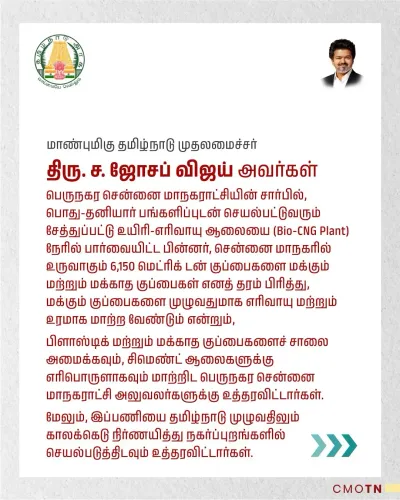
CM Vijay Inspects Chennai Sethupattu Biogas Plant

Synopsis
Tamil Nadu Chief Minister Joseph Vijay visited the Sethupattu Biogas Plant in Chennai on 20 July 2026, underlining the state government's push to scale waste-to-energy infrastructure amid a broader renewable energy strategy that includes solar, wind, and bio-energy projects.
Key Takeaways
Tamil Nadu Chief Minister Joseph Vijay inspected the Sethupattu Biogas Plant in Chennai on 20 July 2026 .
The plant converts organic municipal waste into biogas, addressing both urban waste management and clean energy goals.
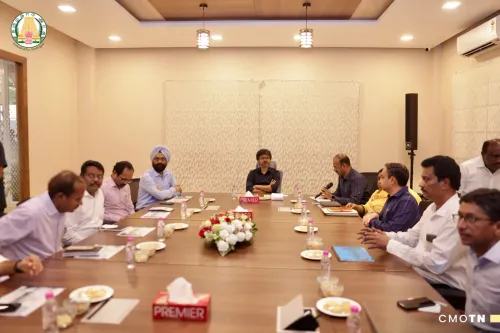
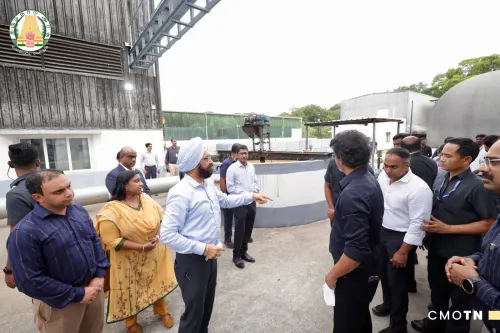
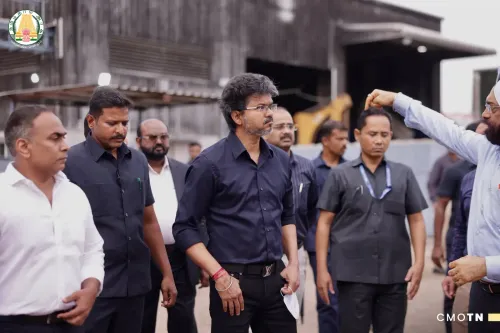
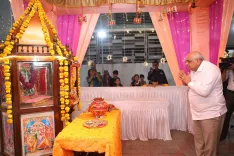
The visit was announced by the official Chief Minister's Office of Tamil Nadu on X, accompanied by three images from the inspection.
Tamil Nadu's renewable energy push spans solar, wind, and bio-energy, with biogas infrastructure playing an increasing role.
The Government of India's SATAT scheme (2018) provides the national policy framework for compressed biogas plants, including those in Tamil Nadu.
Future state budget allocations and tenders for additional biogas capacity will indicate the government's follow-through on this agenda.
Tamil Nadu Chief Minister Joseph Vijay on Monday, 20 July 2026, conducted an on-site inspection of the Sethupattu Biogas Plant in Chennai, the Chief Minister's Office of Tamil Nadu announced via its official account. The visit signals the state government's continued focus on waste-to-energy infrastructure as part of its broader renewable energy agenda.
Context
The Sethupattu Biogas Plant, located in Chennai, processes organic municipal waste and converts it into usable biogas, contributing to the city's urban waste management and clean energy goals. Chief Minister Vijay's visit — described in Tamil as ஆய்வு (inspection) — indicates direct executive-level attention to the facility's operations. The Chief Minister's Office shared three images from the visit, documenting the on-ground review.
Policy Backdrop
The Government of India launched the SATAT (Sustainable Alternative Towards Affordable Transportation) scheme in 2018 to promote compressed biogas plants across the country, including Tamil Nadu, as part of a national waste-to-energy push. Tamil Nadu has independently pursued an expanded renewable energy portfolio spanning solar, wind, and bio-energy to address urban waste volumes and reduce dependence on fossil fuels. Biogas plants such as the one at Sethupattu sit at the intersection of municipal waste management and clean energy policy, making them strategically significant for the state.
Stakeholders and Impact
Urban local bodies in Chennai are among the primary stakeholders, as they are responsible for channelling municipal organic waste to facilities like Sethupattu. Renewable energy firms involved in plant operation and maintenance also have a direct stake in state-level oversight and continued public investment. Residents benefit indirectly through reduced landfill burden and cleaner energy inputs into the local grid.
What's Next
Analysts and civic bodies will watch for follow-up announcements from the Tamil Nadu government, particularly any new budget allocations or tenders for additional compressed biogas capacity under municipal waste management programmes. An executive inspection of this nature often precedes policy decisions on scaling, upgrading, or replicating such infrastructure across other urban centres in the state. The direction of state spending on bio-energy in the coming budget cycle will be a key indicator of the government's commitment in this space.
Point of View
The visit positions Tamil Nadu as an active participant in national compressed biogas ambitions rather than a passive recipient. Politically, such ground-level engagements allow a relatively new Chief Minister to project administrative seriousness on environmental issues that resonate with urban voters. The real test will be whether the inspection translates into concrete budget commitments or new tenders in the months ahead.
NationPress
20 Oct 2026
Frequently Asked Questions
What is the Sethupattu Biogas Plant in Chennai?
The Sethupattu Biogas Plant is a waste-to-energy facility in Chennai that converts organic municipal waste into biogas, helping the city manage solid waste while generating renewable energy.
Why did CM Joseph Vijay visit the Sethupattu Biogas Plant?
Chief Minister Joseph Vijay conducted an official inspection of the plant on 20 July 2026 to review its operations, as part of the Tamil Nadu government's oversight of renewable energy and urban waste management infrastructure.
What is the SATAT scheme and how does it relate to Tamil Nadu?
The SATAT (Sustainable Alternative Towards Affordable Transportation) scheme was launched by the Government of India in 2018 to set up compressed biogas plants nationwide. Tamil Nadu, including facilities like the one at Sethupattu, falls under this national framework for waste-to-energy conversion.
What is Tamil Nadu's renewable energy strategy?
Tamil Nadu has been expanding renewable energy capacity across solar, wind, and bio-energy sectors to reduce fossil fuel dependence and address growing urban waste challenges, with biogas plants forming a key part of the state's clean energy mix.
What could follow CM Vijay's inspection of the biogas plant?
The inspection may precede state budget allocations or new tenders for additional compressed biogas plants under municipal waste management programmes, which analysts and civic bodies will watch for in the coming months.