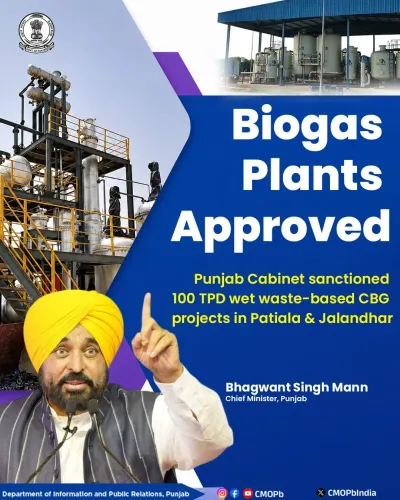
CM Bhagwant Mann Lays Foundation of CBG Plant in Ludhiana

Synopsis
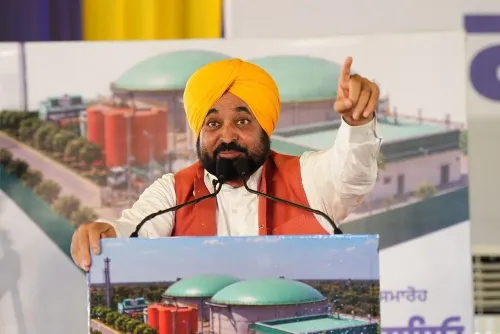
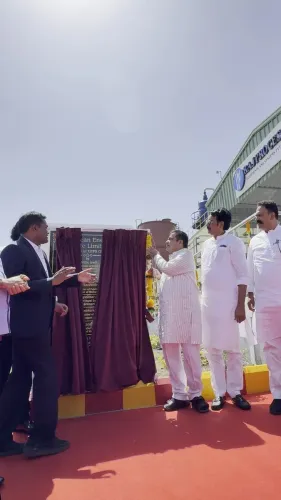
Punjab Chief Minister Bhagwant Mann laid the foundation stone of a Compressed Bio-Gas plant at Haibowal, Ludhiana on 14 August 2026, advancing the state's push to convert agricultural waste into renewable fuel and curb stubble-burning pollution.
Key Takeaways
CM Bhagwant Mann laid the foundation stone of a Compressed Bio-Gas (CBG) plant at Haibowal, Ludhiana on 14 August 2026 .
The plant will use agricultural and organic waste as feedstock, directly addressing Punjab's stubble-burning crisis.
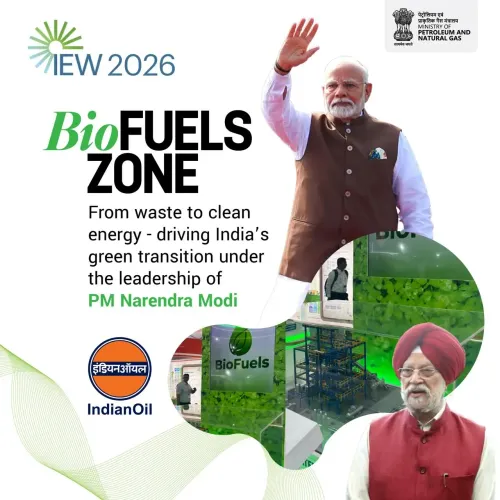
The project aligns with India's SATAT scheme (launched 2018 ), which targets 5,000 CBG plants nationwide.
Ludhiana is Punjab's largest city and industrial hub, making it a high-impact site for renewable fuel infrastructure.
The AAP government has emphasised bio-energy projects as a core part of its governance agenda since March 2022 .
Commissioning timelines and potential replication across other Punjab districts will be the key milestones to watch.
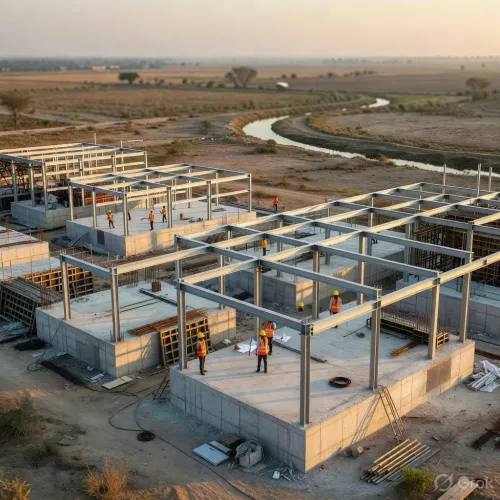
A new chapter in Punjab's clean-energy push opened at Haibowal, Ludhiana on 14 August 2026, as Punjab Chief Minister Bhagwant Mann laid the foundation stone of a Compressed Bio-Gas (CBG) plant — a facility designed to turn agricultural and organic waste into renewable fuel, live before a gathering crowd in the state's industrial heartland.
What a CBG Plant Means for Punjab's Stubble Crisis
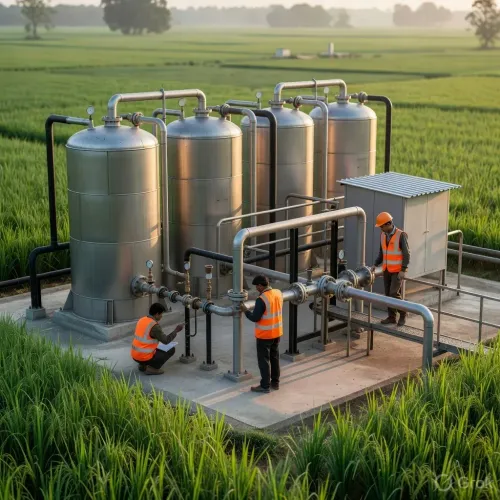
Punjab's farmers burn millions of tonnes of paddy straw every autumn, blanketing northern India in a haze that chokes cities as far as Delhi. A CBG plant at Haibowal directly addresses that cycle: agricultural residue — the very material set ablaze in fields — becomes the feedstock that produces compressed bio-gas, a cleaner substitute for conventional fuels. For Ludhiana, the state's largest city and a dense industrial hub, the plant promises both cleaner air and a local renewable-fuel supply.
SATAT's National Blueprint, Punjab's Local Bet
The project slots into India's SATAT (Sustainable Alternative Towards Affordable Transportation) scheme, launched in 2018 by the Ministry of Petroleum and Natural Gas, which set a target of 5,000 CBG plants across the country using farm waste and municipal organic matter. Punjab, with its vast agricultural base, was always a natural candidate for the programme. The Aam Aadmi Party government under Mann has framed bio-energy infrastructure as a pillar of its governance agenda since taking office in March 2022, positioning such projects at the intersection of rural income generation and environmental accountability.
Haibowal as a Test Case for the State's Green Ambitions
The choice of Haibowal — a locality within Ludhiana's urban sprawl — signals intent to integrate bio-gas production close to both industrial consumers and high-density residential demand. If the plant commissions on schedule, it could serve as a replicable template for additional CBG facilities across other Punjab districts, a rollout that analysts and farm groups will be watching closely. The broader pattern is clear: Punjab governments have long promised to break the stubble-burning loop; this foundation stone is the latest, most concrete stake in that ground.
The next test is construction speed. A foundation stone is a promise; a commissioned plant is the proof.
Point of View
Mann signals that bio-energy is no longer a fringe rural initiative but a mainstream infrastructure priority. The real political test, however, will come at commissioning: Punjab has seen several green-energy announcements stall between foundation stone and functional plant. If Haibowal delivers, it strengthens the AAP's governance credentials ahead of future electoral cycles; if it doesn't, the optics of a 14 August launch will be hard to escape.
NationPress
28 Sept 2026
Frequently Asked Questions
What is the CBG plant being built at Haibowal, Ludhiana?
It is a Compressed Bio-Gas plant whose foundation stone was laid by Punjab Chief Minister Bhagwant Mann on 14 August 2026. The plant will convert agricultural and organic waste into compressed bio-gas, a renewable fuel that can replace conventional fossil fuels.
What is the SATAT scheme and how does this plant relate to it?
SATAT (Sustainable Alternative Towards Affordable Transportation) is a central government scheme launched in 2018 by the Ministry of Petroleum and Natural Gas, targeting 5,000 CBG plants across India using farm waste. The Haibowal plant is part of this national framework.
How will the CBG plant help with Punjab's stubble-burning problem?
Instead of being burned in fields, paddy straw and other agricultural residue will be used as feedstock for the plant to produce bio-gas. This reduces the need for open burning, which is a major source of air pollution across northern India every winter.
Why was Haibowal in Ludhiana chosen for this plant?
Ludhiana is Punjab's largest city and industrial hub, surrounded by heavy agricultural activity. Haibowal's location within the city offers proximity to both industrial consumers of bio-gas and large volumes of organic and agricultural waste.
What should we watch for next regarding this CBG plant?
The key milestones are the construction timeline and the plant's eventual commissioning date. Analysts will also watch whether the Punjab government announces additional CBG facilities in other districts, using Haibowal as a replicable model.