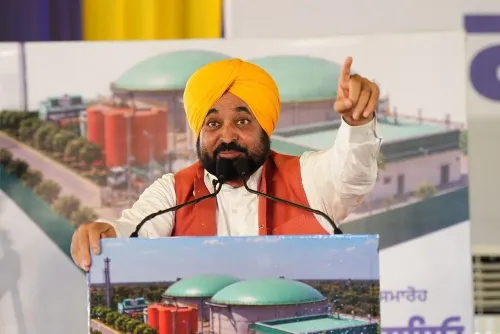
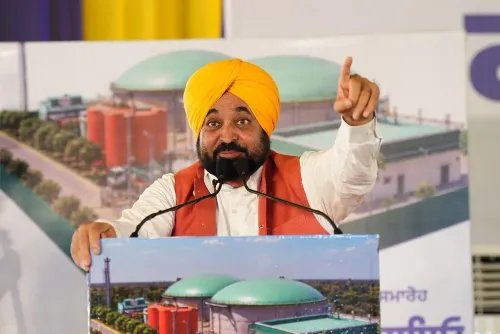
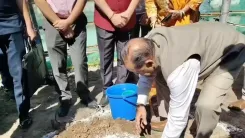
CM Bhagwant Mann lays foundation of ₹65 cr CBG plant to clean Budha Nallah
Synopsis
Chief Minister Bhagwant Mann laid the foundation stone of a ₹65 crore Compressed Bio-Gas plant at Haibowal, Ludhiana, on 15 August 2026, to process 300 tonnes of daily cattle dung and curb pollution in the Budha Nallah, with 435 dairy owners set to benefit.
Key Takeaways
CM Bhagwant Mann laid the foundation stone of a ₹65 crore CBG plant at Haibowal, Ludhiana on 15 August 2026 .
The plant will process 300 tonnes of cattle dung daily from the Ludhiana Dairy Complex to reduce pollution in the Budha Nallah .
Daily output is projected at around five tonnes of Compressed Bio-Gas plus organic bio-fertiliser.
The facility will be built on 2.5 acres and is scheduled to become operational by September 2027 .
435 dairy owners at the Haibowal complex will receive new income opportunities under the 'Waste-to-Wealth' mission .
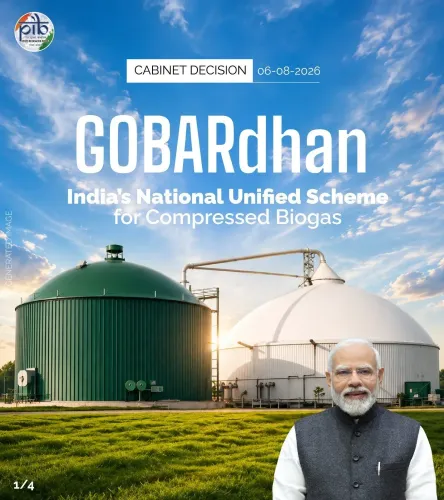
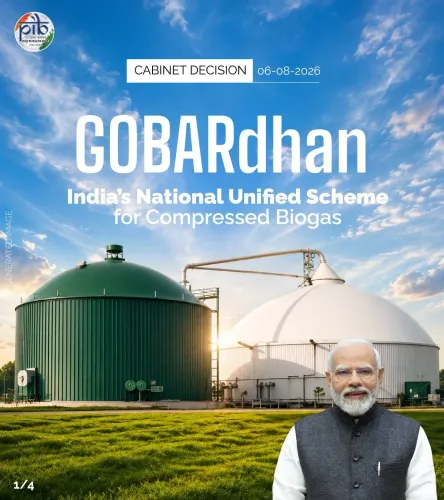
The project aligns with the Central government's GOBARdhan scheme launched in 2018 to fund bio-gas infrastructure from organic waste.
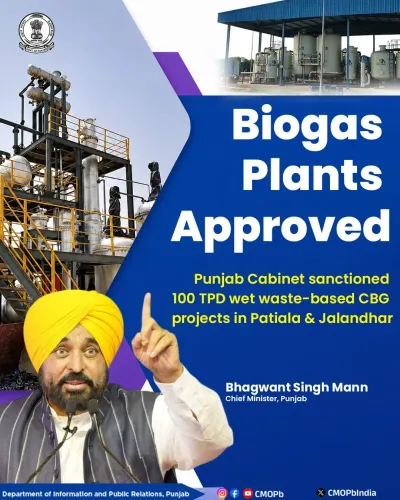
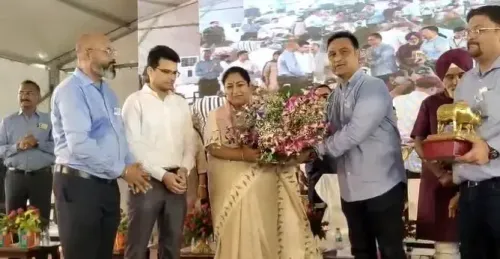
One of Punjab's most polluted urban waterways is finally getting a scientific fix. On Saturday, 15 August 2026, the Chief Minister's Office of Punjab announced that Chief Minister Bhagwant Mann laid the foundation stone of a ₹65 crore Compressed Bio-Gas (CBG) plant at Haibowal, Ludhiana — a direct intervention aimed at stopping cattle waste from choking the long-suffering Budha Nallah.
What the Haibowal plant will actually do
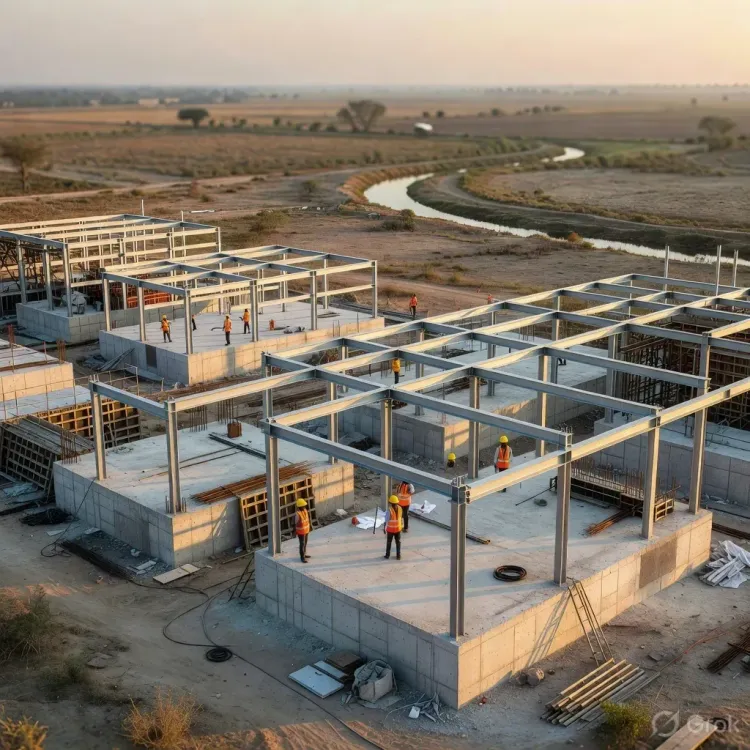
The facility, to be built across 2.5 acres, will scientifically process 300 tonnes of cattle dung generated daily at Ludhiana's Dairy Complex — waste that currently finds its way into the Budha Nallah, contributing to sewer blockage and severe water pollution. Once operational, the plant is projected to produce around five tonnes of CBG and a stream of organic bio-fertiliser every day. The government has set a commissioning target of September 2027.
The Budha Nallah is a seasonal stream cutting through Ludhiana, Punjab's largest city and a dense hub of dairy activity and small industry. For years, untreated dairy effluent and industrial discharge have made it one of the most contaminated urban waterways in the state, drawing repeated civic complaints and court interventions.
435 dairy owners and the 'Waste-to-Wealth' logic
Beyond the environmental fix, the project carries an economic pitch. The government says 435 dairy owners at the Haibowal complex will gain new income opportunities by supplying dung to the plant under the 'Waste-to-Wealth' mission — aligning with the Central government's GOBARdhan scheme, launched in 2018, which funds CBG infrastructure using cattle dung and organic waste under the Swachh Bharat framework.
The logic is straightforward: dung that once drained into a nallah becomes feedstock for bio-gas and fertiliser, and the dairy owner earns from waste instead of paying to dispose of it. Whether the revenue model proves attractive enough to sustain farmer participation at scale will be a key test once the plant goes live.
Punjab's wider battle against dairy-cluster pollution
The Budha Nallah has been a recurring flashpoint in Punjab's environmental record. Dairy clusters concentrated around Ludhiana produce volumes of organic waste that existing civic infrastructure has never been built to handle. The state has faced successive rounds of pressure — from residents, from courts, and from pollution control boards — to move beyond stopgap measures toward permanent processing capacity.
This CBG plant represents the most capital-intensive single intervention announced for the Nallah to date. Whether it translates into measurable improvement in water quality will depend on how rigorously dung collection from the 435 dairy units is organised and whether the September 2027 deadline holds — a commissioning timeline that will now be closely watched.
For a state that has struggled to reconcile its dairy economy with its environmental obligations, turning a daily flood of cattle dung into fuel and fertiliser is not just a policy announcement. It is a bet that infrastructure, not just regulation, can finally break the cycle.
Point of View
Shifting the state's approach from regulatory pressure on individual dairy units to centralised waste-processing investment. It plugs directly into the Central GOBARdhan framework, signalling an attempt to draw Union funding and political credit simultaneously. The 'Waste-to-Wealth' framing is politically shrewd — it repackages an environmental obligation as an economic opportunity for dairy owners, a key constituency in Punjab. The real test will come at commissioning: if the September 2027 deadline slips or dung-supply logistics falter, the plant risks becoming another announced-but-delayed infrastructure project in a city that has seen many.
NationPress
29 Sept 2026
Frequently Asked Questions
What is the CBG plant being built at Haibowal, Ludhiana?
It is a ₹65 crore Compressed Bio-Gas plant being developed on 2.5 acres at Haibowal, Ludhiana, to scientifically process 300 tonnes of cattle dung daily from the local Dairy Complex and reduce pollution in the Budha Nallah. It is expected to be operational by September 2027 .
How will the CBG plant help clean the Budha Nallah?
The plant will intercept cattle dung from the Haibowal Dairy Complex that currently drains into the Budha Nallah , causing sewer blockage and water pollution. By processing this waste into bio-gas and fertiliser, it removes the primary source of dairy effluent entering the stream.
What is the Waste-to-Wealth mission in Punjab?
'Waste-to-Wealth' is a framework under which organic waste — such as cattle dung — is converted into energy and fertiliser, generating income for waste producers. It aligns with the Central government's GOBARdhan scheme , launched in 2018 , which funds compressed bio-gas infrastructure across India.
How will dairy owners benefit from the Haibowal CBG plant?
435 dairy owners at the Haibowal Dairy Complex will be able to supply their cattle dung to the plant, earning income from waste they previously had no formal channel to monetise.
What is the Budha Nallah and why is it polluted?
The Budha Nallah is a seasonal stream flowing through Ludhiana , Punjab's largest city. It has long been contaminated by untreated dairy effluent and industrial discharge from the city's dense clusters of dairy units and small industries, making it one of the most polluted urban waterways in the state.