CM Vijay Orders Zero-Landfill Push for Chennai's 6,150 MT Daily Waste
Synopsis
Chief Minister Joseph Vijay inspected Chennai's Semmenchery Bio-CNG Plant and ordered the Greater Chennai Corporation to fully convert the city's 6,150 metric tonnes of daily waste into biogas, compost, road material, and cement-kiln fuel — with a deadline-bound state-wide rollout for all urban local bodies in Tamil Nadu.
Key Takeaways
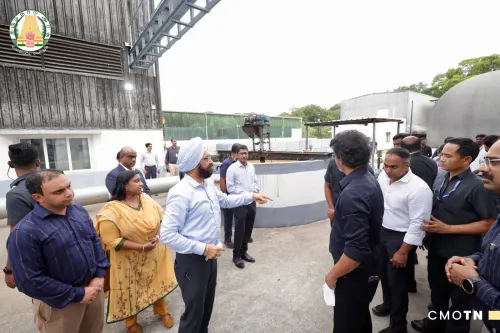
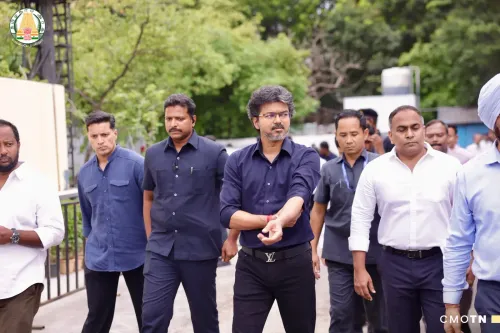
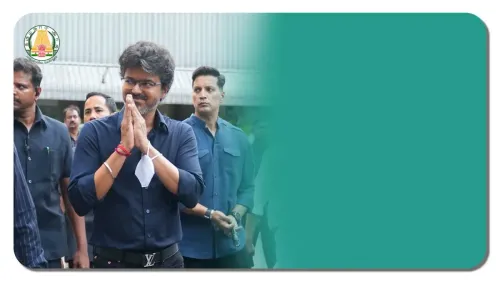
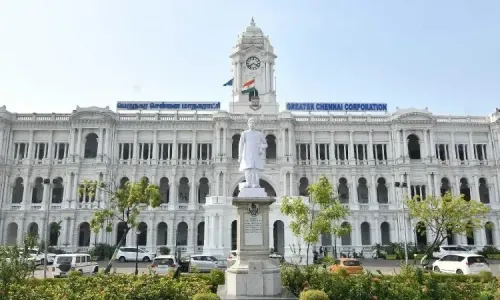
CM Joseph Vijay inspected the Semmenchery Bio-CNG Plant , a public-private partnership facility run by the Greater Chennai Corporation .
Chennai generates 6,150 metric tonnes of waste daily ; the CM ordered complete source segregation into biodegradable and non-biodegradable streams.
All biodegradable waste is to be converted entirely into biogas and organic compost , eliminating organic material from landfills.
Plastics and non-biodegradable waste are to be repurposed as road-construction material and refuse-derived fuel for cement plants .
The directive extends beyond Chennai — CM Vijay ordered a deadline-bound rollout across all urban local bodies in Tamil Nadu .
The order aligns with the Solid Waste Management Rules 2016 and the national Swachh Bharat Mission framework.
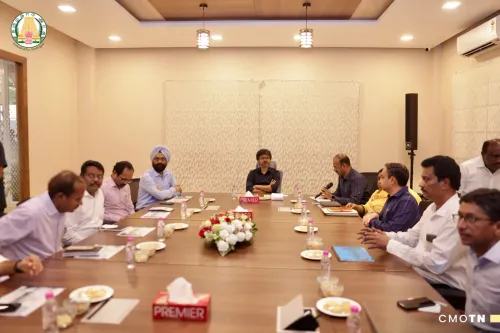
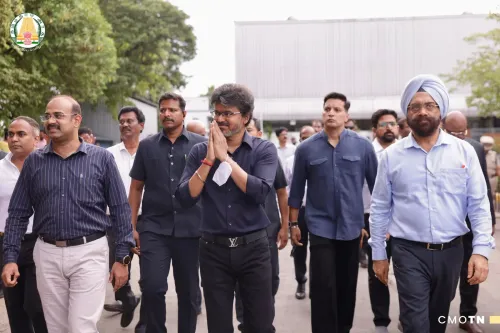
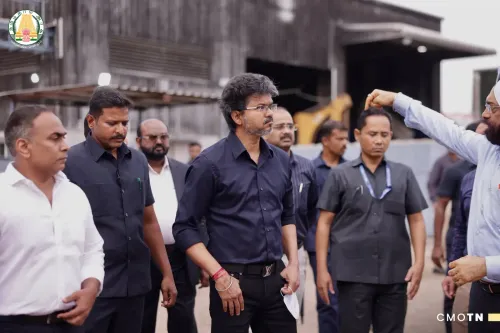
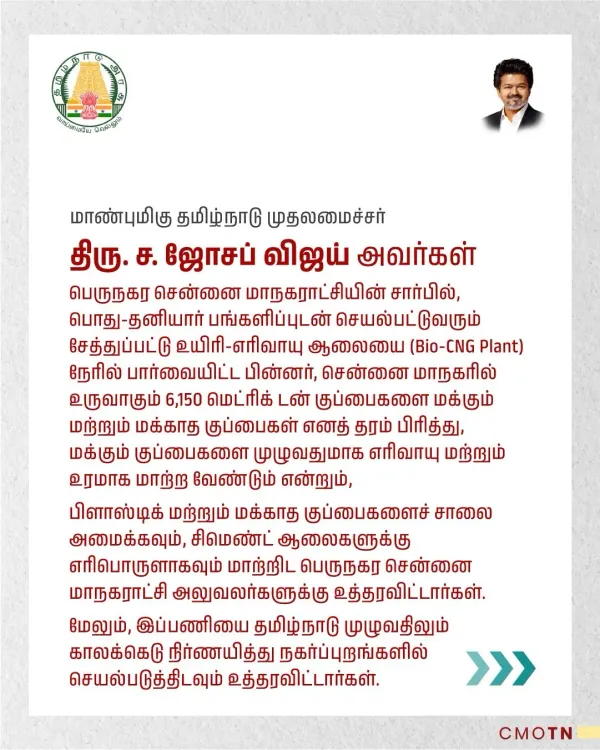
The Chief Minister's Office of Tamil Nadu announced on Monday, 20 July 2026 that Chief Minister Joseph Vijay has directed the Greater Chennai Corporation (GCC) to fully convert the city's organic waste into biogas and compost, while channelling plastics and non-biodegradable waste into road construction and cement-kiln fuel — following an on-site inspection of the Semmenchery Bio-CNG Plant operated under a public-private partnership model.
Context
The post, shared by the official CMO Tamil Nadu account, states that Chennai generates 6,150 metric tonnes of waste daily. CM Vijay inspected the Semmenchery Bio-CNG Plant — run by the GCC in partnership with a private operator — and subsequently issued instructions to corporation officials to segregate all incoming waste at source into biodegradable and non-biodegradable streams. Biodegradable waste is to be processed entirely into biogas and organic fertiliser, while plastics and non-biodegradable material are to be diverted to road-laying projects and as refuse-derived fuel for cement plants.
The Chief Minister further ordered that this model be rolled out across all urban local bodies in Tamil Nadu with a fixed deadline, signalling a state-wide policy push rather than a Chennai-only initiative.
Policy Backdrop
The directive aligns with the framework established by the Solid Waste Management Rules, 2016, which require urban local bodies to convert wet waste into compost or biogas and route dry waste to recycling or fuel use. The Swachh Bharat Mission (2014) had earlier made source segregation and processing facilities mandatory for all urban local bodies across India.
Tamil Nadu has been expanding its network of PPP-based processing plants since the mid-2010s to manage rising urban waste volumes. Bio-CNG plants that convert organic municipal waste into compressed natural gas represent the latest iteration of this circular-economy model, reducing landfill methane emissions while generating a usable fuel product.
Stakeholders and Impact
Chennai's 6,150 metric tonnes of daily waste, if fully segregated and processed as directed, would eliminate the need to dump biodegradable material in landfills and could yield significant volumes of Bio-CNG and compost for commercial use. Residents across Chennai stand to benefit from cleaner neighbourhoods and reduced landfill odour and leachate.
Private operators running Bio-CNG and waste-processing facilities under PPP agreements are likely to see expanded contracts as the model scales to other Tamil Nadu cities. Cement manufacturers and road-construction agencies would receive a steady supply of refuse-derived fuel and plastic-blended aggregate, reducing input costs.
Urban local bodies across Tamil Nadu — from tier-2 cities to smaller municipalities — will face the compliance pressure of meeting the deadline CM Vijay has ordered, requiring investment in segregation infrastructure and processing capacity.
What's Next
The critical next step is the announcement of the specific deadline CM Vijay has mandated for state-wide rollout — a date that urban local bodies and PPP operators will need to plan around. Observers will watch whether the GCC issues a formal tender or expands existing PPP contracts to scale Bio-CNG capacity beyond the Semmenchery facility.
If enforced uniformly, the order could make Tamil Nadu one of the few Indian states with a legally binding timeline for near-zero organic waste going to landfill — a benchmark that would have implications for urban governance models across the country.
Point of View
The Chief Minister is converting a single facility visit into a scalable policy mandate, which raises the political stakes: success would be a visible civic win, but missed deadlines across dozens of municipalities could become an accountability liability. The emphasis on PPP delivery also reflects a broader pattern in Indian urban governance of leveraging private capital for infrastructure the state cannot fund alone. Whether the deadline mechanism has enforcement teeth — or remains aspirational — will determine if this announcement marks a genuine inflection point in Tamil Nadu's waste management trajectory.
NationPress
20 Oct 2026
Frequently Asked Questions
What did Tamil Nadu CM Joseph Vijay announce about Chennai's waste management?
CM Joseph Vijay directed the Greater Chennai Corporation to segregate all of Chennai's 6,150 metric tonnes of daily waste, convert biodegradable waste fully into biogas and compost, and use plastics and non-biodegradable waste for road construction and as fuel for cement plants.
What is the Semmenchery Bio-CNG Plant?
The Semmenchery Bio-CNG Plant is a public-private partnership facility operated by the Greater Chennai Corporation that converts organic municipal waste into compressed natural gas (Bio-CNG) and compost.
How much waste does Chennai generate every day?
According to the Chief Minister's Office of Tamil Nadu, Chennai generates 6,150 metric tonnes of solid waste daily.
Will Tamil Nadu's waste-to-energy policy apply only to Chennai?
No. CM Vijay ordered that the waste segregation and processing model be implemented across all urban local bodies in Tamil Nadu with a fixed deadline, making it a state-wide initiative.
How does this directive relate to national solid waste rules?
The order is consistent with the Solid Waste Management Rules 2016, which require urban local bodies to process wet waste into compost or biogas and channel dry waste to recycling or fuel use, and with the Swachh Bharat Mission's source-segregation mandate.