Spain's 2026 World Cup win earns RFEF $50m and players €756k each
Synopsis
Spain's second World Cup title isn't just a footballing milestone — it's a commercial jackpot. The RFEF pockets $50 million from FIFA, 35 sponsors get a world-champion halo, and each player walks away with €756,000. Ferran Torres' extra-time winner did more than beat Argentina; it rewrote Spain's financial playbook for the next four years.
Key Takeaways
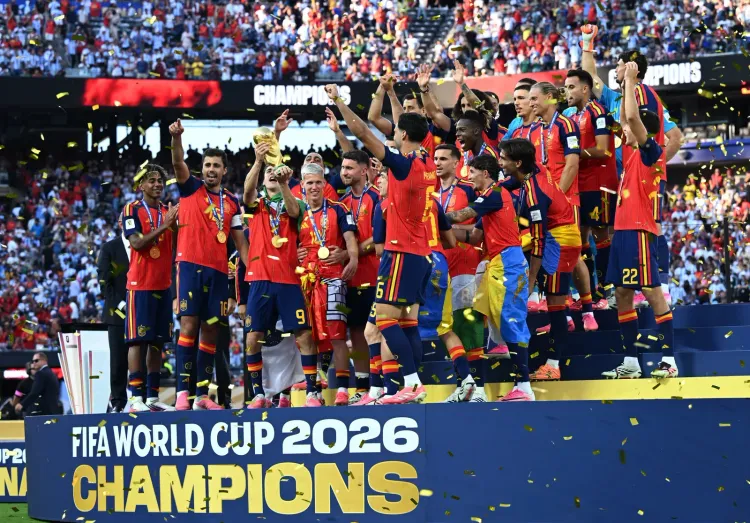
Spain defeated Argentina 1-0 in the 2026 FIFA World Cup final on 19 July 2026 , claiming its second world title.
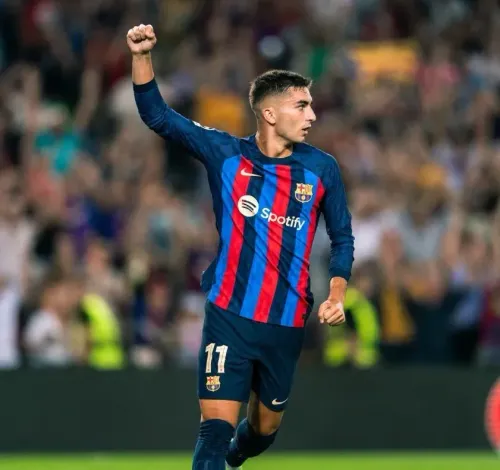
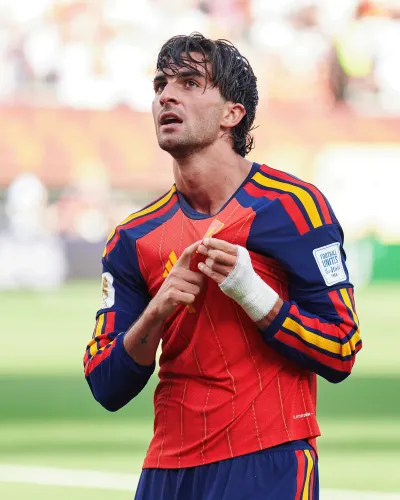
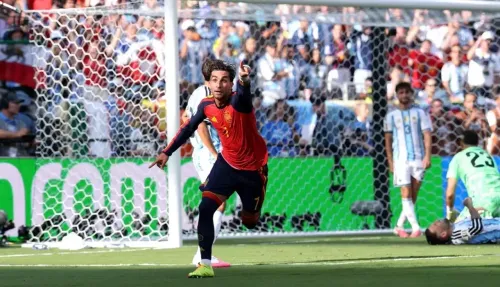
Ferran Torres scored the decisive extra-time goal, joining Andrés Iniesta as a World Cup final match-winner for Spain.
The RFEF earned $50 million in FIFA prize money, with further gains expected from sponsorship and television rights.
Each of the 26 squad players is set to receive a bonus of €756,000 (approximately $863,000 ).
The team's off-white away shirt is virtually sold out in Spain, with international demand also rising.
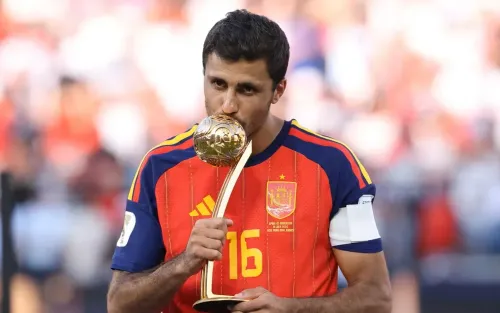
A post-match brawl, reportedly sparked by a punch from Argentina defender Nahuel on Rodri , drew sharp criticism from Spanish media.
Spain clinched its second FIFA World Cup title on Sunday, 19 July 2026, defeating Argentina 1-0 in the final, with Ferran Torres scoring the decisive goal in extra time. The victory not only etched Torres' name alongside Andrés Iniesta — who scored the winner in the 2010 final — but also triggered a significant financial windfall for the Spanish Football Federation (RFEF) and the 26-member squad.
Prize Money and Federation Earnings
Winning the 2026 FIFA World Cup earned the RFEF $50 million in prize money from FIFA. Beyond that direct payout, the federation is positioned to benefit from a surge in sponsorship revenue. The Spanish national team is currently backed by 35 companies spanning sectors including travel, insurance, telecommunications, sportswear, energy, and food and beverages.
Spain's newly reclaimed status as world champions is also expected to push up the value of its television rights deals. Notably, sales of replica shirts have already spiked across the country — the team's off-white away kit is now virtually sold out in Spain, with international demand also expected to climb sharply.
Player Bonuses
Each of the 26 players in Spain's squad is set to receive a bonus of €756,000 (approximately $863,000), in addition to a World Cup winner's medal and ring. The bonus structure underscores the scale of financial reward attached to football's biggest prize.
How Spain Won the Final
Spain's victory over Argentina was built on sustained dominance throughout the match. Argentina barely threatened — registering no shot on target across more than 120 minutes of football — and only began to push forward after conceding. Torres' extra-time strike proved the difference in what was ultimately a controlled performance by Luis de la Fuente's side.
Post-Match Brawl and Media Reaction
The final was marred by a post-match altercation. According to Spanish sports daily Marca, a punch from Argentina defender Nahuel on Rodri triggered a brawl involving Leandro Paredes and Spain's Eric Garcia and Gavi. Spanish media were widely critical of Argentina's conduct after the final whistle.
On the front pages, Marca led with the headline 'Superstars', while Barcelona-based dailies Mundo Deportivo and Sport ran with 'Champions' and 'Two-Time Champions' respectively. General-interest newspaper El Mundo proclaimed 'Our boys are on top of the world', and El País ran simply with 'Champions', noting that Argentina 'barely created any danger.'
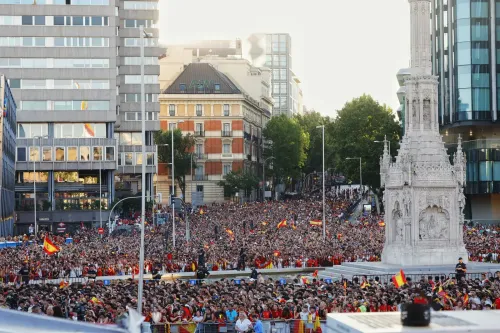
With celebrations continuing across Madrid and beyond on Monday, Spain now looks ahead to consolidating its commercial gains — and to what a second World Cup star on the national jersey will mean for the sport's profile domestically and globally.
Point of View
It sets a precedent that could reshape conduct norms at future finals. Spain's challenge now is converting a single tournament win into sustained commercial and sporting dominance — something the 2010 generation did brilliantly, and the 2026 squad has the commercial infrastructure to replicate.
NationPress
20 Oct 2026
Frequently Asked Questions
How much prize money did Spain win at the 2026 FIFA World Cup?
The Spanish Football Federation (RFEF) received $50 million in prize money from FIFA for winning the 2026 World Cup. The federation is also expected to benefit from increased sponsorship and television rights revenue.
How much bonus will each Spain player receive for winning the World Cup?
Each of the 26 players in Spain's squad is set to receive a bonus of €756,000 (approximately $863,000), along with a World Cup winner's medal and ring.
Who scored the winning goal in the 2026 World Cup final?
Ferran Torres scored the decisive goal in extra time as Spain defeated Argentina 1-0 in the 2026 FIFA World Cup final on 19 July 2026. Torres joins Andrés Iniesta, who scored the winner in the 2010 final, as a match-winning hero for Spain.
What happened in the post-match brawl after the 2026 World Cup final?
According to reports in Spanish sports daily Marca, a punch from Argentina defender Nahuel on Rodri triggered a brawl involving Leandro Paredes and Spain players Eric Garcia and Gavi. Spanish media widely criticised Argentina's conduct after the final whistle.
How did the Spanish press react to the 2026 World Cup victory?
Spanish media celebrated enthusiastically. Marca led with 'Superstars', Mundo Deportivo ran 'Champions', Sport used 'Two-Time Champions', El Mundo declared 'Our boys are on top of the world', and El País ran 'Champions' while noting Argentina barely created any danger.