Delhi Police lathi-charge on student marchers sparks NEET-UG protest row
Synopsis
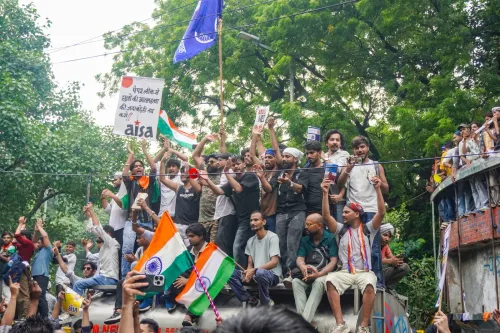
Thousands of students marched from Jantar Mantar toward Parliament over NEET-UG paper leaks — and ended up in a lathi-charge standoff with Delhi Police. With Sonam Wangchuk on hunger strike, an FIR against a protest activist, and the opposition raising the issue on Parliament's opening day, the NEET-UG crisis has now collided directly with the Monsoon Session.
Key Takeaways
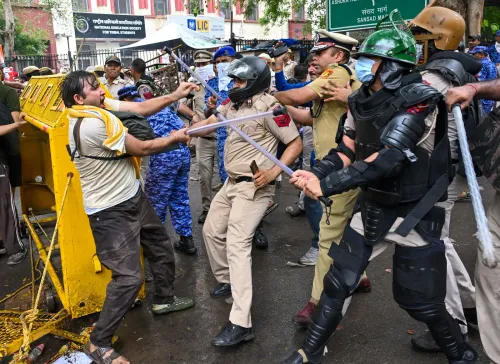
Abhijit Dipke of the Cockroach Janata Party (CJP) alleged Delhi Police used excessive force, including a lathi-charge, against NEET-UG student protesters on 21 July .
The march from Jantar Mantar to Parliament was cancelled midway, reportedly to protect student safety.
Delhi Police countered that more than 100 of its personnel were injured during the protest.
Activist Sonam Wangchuk's hunger strike will continue until Union Education Minister Dharmendra Pradhan resigns, according to Dipke.
An FIR was registered against activist Saurabh Das ; Dipke demanded equal accountability for the Education Minister.
The opposition raised the NEET-UG issue in Parliament on the first day of the Monsoon Session .
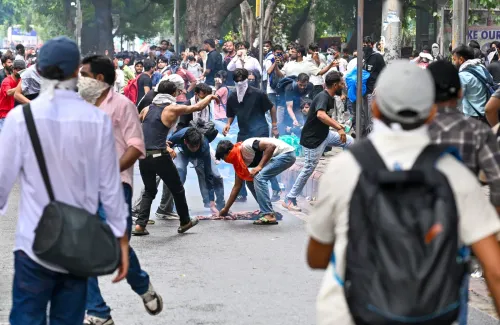
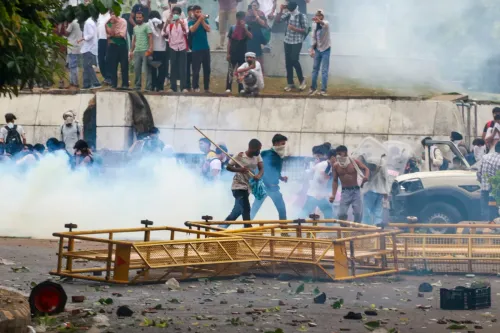
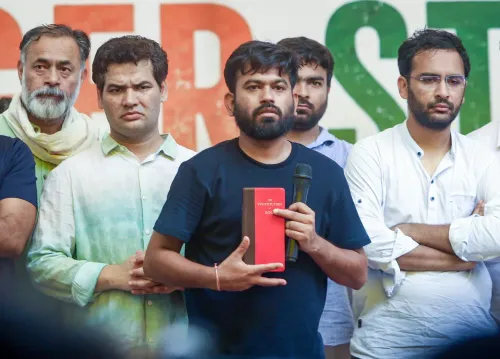
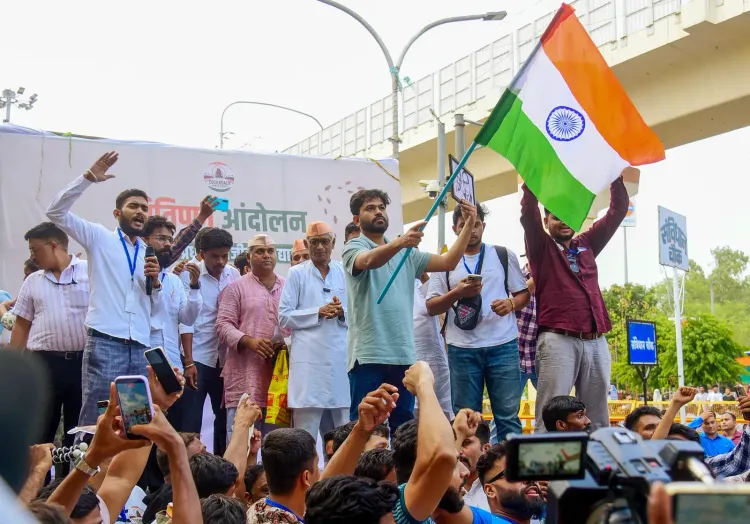
Abhijit Dipke, founder of the Cockroach Janata Party (CJP), on 21 July condemned Delhi Police for allegedly using excessive force against students during a march from Jantar Mantar to Parliament, as the NEET-UG agitation entered a charged new phase on the opening day of the Monsoon Session. The march was called off midway, according to Dipke, to prevent further harm to students amid what he described as a brutal police crackdown.
What Dipke Alleged
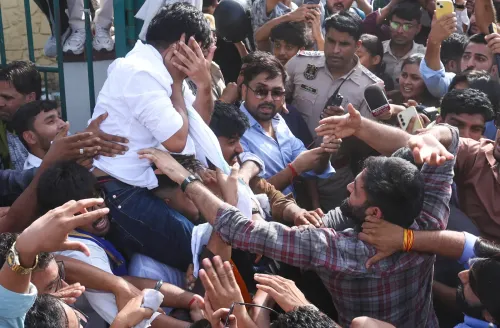
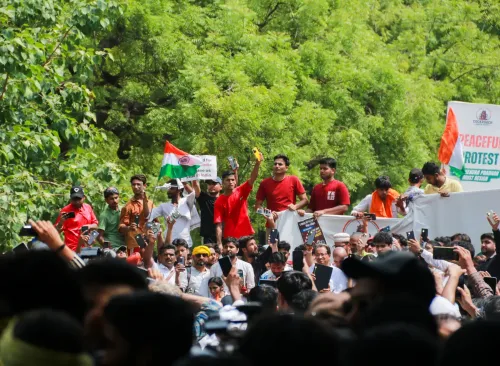
Addressing the media, Dipke claimed the protest was entirely peaceful when police initiated a lathi-charge, injuring a number of students. He alleged that female students were also subjected to mistreatment near the barricades, with reports of head injuries, broken limbs, and other serious wounds — though these claims have not been independently verified.
'Our students were determined to march to Parliament despite the risks, but we had to prioritise their safety to prevent any major tragedy,' Dipke said.
Delhi Police's Counter-Claim
Delhi Police stated that more than 100 of its personnel sustained injuries during the students' protest — a direct contradiction of the CJP's characterisation of the demonstration as entirely peaceful. The competing accounts underscore the contested nature of events on the ground.
Key Demands and the Wangchuk Hunger Strike
Dipke announced that the agitation and hunger strike led by activist Sonam Wangchuk will continue until Union Education Minister Dharmendra Pradhan resigns. He also reacted to the FIR registered against activist Saurabh Das, demanding that if protesters face legal action, the Education Minister must equally be held accountable for the NEET-UG controversies that he alleged have led to multiple student suicides.
Dipke questioned the government's intentions, particularly following a meeting with Union Minister J.P. Nadda, suggesting that the encounter had not yielded satisfactory assurances.
Parliament Takes Up NEET-UG
Despite the clashes outside, the opposition raised the NEET-UG issue inside Parliament on the first day of the Monsoon Session — a move Dipke welcomed and described as the opposition keeping its promise to students. He nonetheless made clear that street protests would not cease until the Education Minister's resignation.
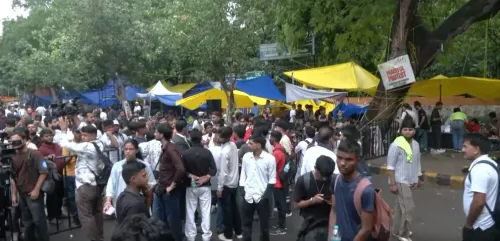
The march itself had drawn thousands of students and supporters to Jantar Mantar, demanding systemic reforms to the examination process and accountability for repeated paper leaks that have roiled the country's high-stakes entrance testing system. This comes amid months of sustained pressure on the Centre over the NEET-UG 2024 paper leak controversy, which has already triggered multiple judicial and governmental reviews.
What Happens Next
With the hunger strike ongoing and the opposition committed to pressing the matter in Parliament, the NEET-UG controversy is set to remain a flashpoint through the Monsoon Session. The fate of the FIR against Saurabh Das and any government response to the resignation demand will be closely watched in the days ahead.
Point of View
Police claiming over 100 of their own personnel hurt — are a familiar script in high-stakes protest standoffs, and both deserve scrutiny rather than automatic acceptance. What is harder to dispute is the structural failure that brought thousands of students to Jantar Mantar in the first place: a national entrance exam marred by paper leaks, opaque remediation, and a government response that has oscillated between denial and damage control. The decision to raise the matter in Parliament is meaningful, but legislative noise without legislative accountability — a censure motion, a JPC, a ministerial resignation — risks becoming another pressure valve that releases steam without fixing the boiler. The NEET-UG crisis has already claimed student lives and public trust in meritocracy; the Monsoon Session is the clearest opportunity yet to convert protest energy into binding reform.
NationPress
21 Jul 2026
Frequently Asked Questions
What happened during the NEET-UG student march to Parliament on 21 July?
Thousands of students marched from Jantar Mantar toward Parliament to demand NEET-UG reforms and accountability for paper leaks. The march was cancelled midway after CJP founder Abhijit Dipke cited safety concerns following an alleged police lathi-charge that reportedly injured several students, including female protesters.
What is the Cockroach Janata Party's demand regarding Education Minister Dharmendra Pradhan?
The CJP is demanding the resignation of Union Education Minister Dharmendra Pradhan, holding him accountable for the NEET-UG controversies and alleged paper leaks that Dipke says have driven multiple student suicides. The party says protests will not stop until that demand is met.
What did Delhi Police say about the protest?
Delhi Police stated that more than 100 of its personnel were injured during the students' protest — directly contradicting the CJP's claim that the demonstration was entirely peaceful. Neither account has been independently verified.
Who is Sonam Wangchuk and what is his role in the protest?
Sonam Wangchuk is an activist leading a hunger strike as part of the ongoing NEET-UG agitation. According to Dipke, the hunger strike will continue until Education Minister Dharmendra Pradhan resigns.
How did Parliament respond to the NEET-UG controversy on 21 July?
Opposition parties raised the NEET-UG issue in Parliament on the first day of the Monsoon Session, which Dipke described as the opposition keeping its promise to students. However, he stated that street protests would continue regardless of parliamentary proceedings.