Delhi Police detain 70, 50 officers hurt as CJP march turns violent
Synopsis
A CJP march toward Parliament on 20 July turned violent after activists broke through barricades without permission, leaving at least 50 Delhi Police personnel injured and over 70 people detained. It marks the sharpest escalation yet in weeks of NEET-related protests at Jantar Mantar, with multiple FIRs now registered and CCTV evidence under review for further arrests.
Key Takeaways
Delhi Police detained over 70 people and registered multiple FIRs on 20 July after CJP protests turned violent on Parliament Street .
At least 50 police personnel were injured when protesters broke through barricades during an unauthorised march toward Parliament.
The CJP had been protesting at Jantar Mantar since 20 June over alleged NEET irregularities.
DCP Sachin Sharma had stated the day before that no permission for the march had been sought or granted.
DMRC temporarily shut gates at five Metro stations — Janpath, Rajiv Chowk, Patel Chowk, Central Secretariat, and Seva Teerth — as a precaution.
Investigators are reviewing CCTV footage and mobile videos; further arrests are expected.
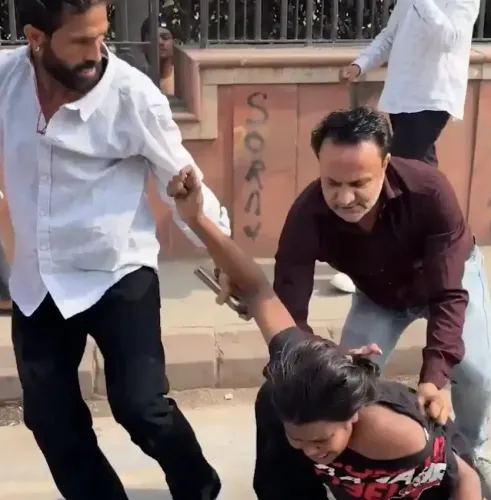
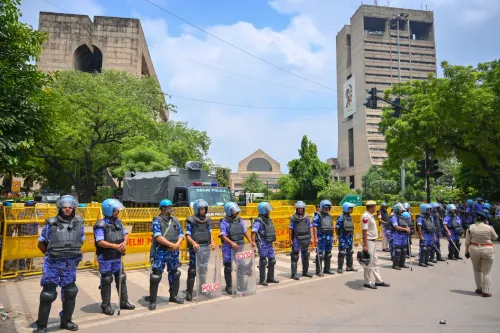
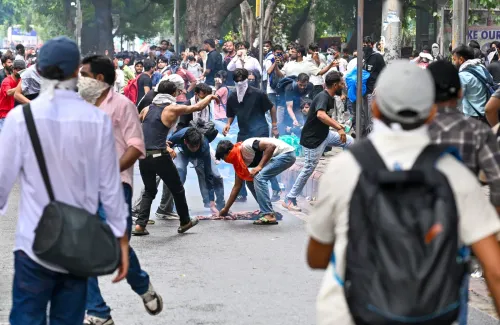
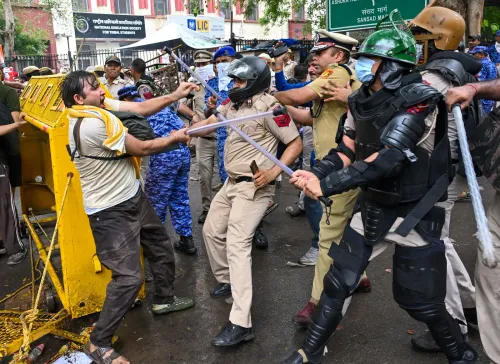
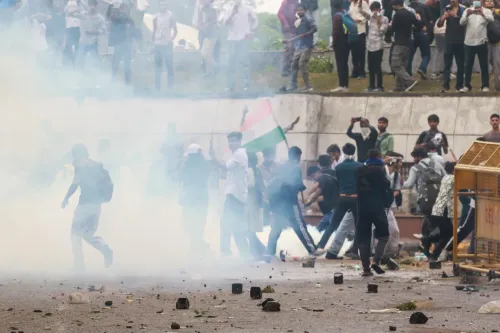
Delhi Police detained over 70 people and registered multiple FIRs on Monday, 20 July after Cockroach Janta Party (CJP) activists and their supporters clashed with law enforcement on Parliament Street, leaving at least 50 police personnel injured. The violence erupted when protesters, defying explicit warnings, attempted an unauthorised march toward Parliament from Jantar Mantar.
How the Violence Unfolded
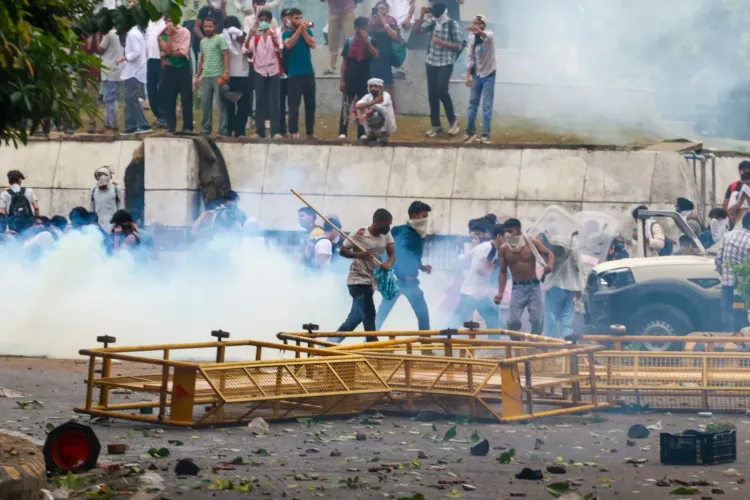
Trouble began in the forenoon when CJP supporters — who had been staging demonstrations at Jantar Mantar since 20 June over alleged irregularities in the NEET examination — broke through police barricades and attempted to advance toward Parliament without permission. Delhi Police personnel responded with mild force to halt the illegal movement, triggering clashes that left protesters and at least 50 officers injured.
Investigators are now examining CCTV footage and mobile video recordings to identify individuals who participated in the unauthorised and violent demonstrations across Parliament Street and adjoining high-security zones. Separate FIRs are being registered based on complaints received from multiple locations, according to officials.
Police Had Warned Against the March
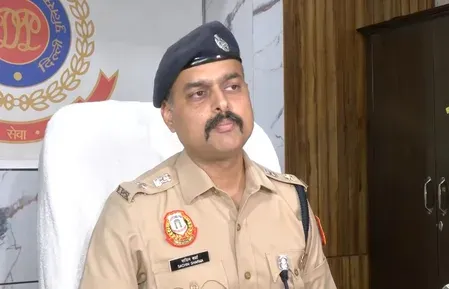
New Delhi Deputy Commissioner of Police Sachin Sharma had categorically stated on Sunday evening that the CJP had neither applied for nor received any permission to march toward Parliament. Despite that warning, thousands of supporters converged at Jantar Mantar on Monday morning for the 'Chalo Sansad' protest.
As the crowd swelled, the Delhi Metro Rail Corporation (DMRC) temporarily shut entry and exit gates at Janpath, Rajiv Chowk, Patel Chowk, Central Secretariat, and Seva Teerth Metro stations as a precautionary measure.
What the Police Said
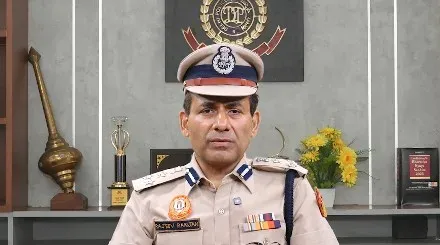
Additional Police Commissioner Rajiv Ranjan, in a video message, appealed for calm. 'The Delhi Police appeals to all protesters to exercise restraint and cooperate with the police in maintaining peace and law and order. All protesters are requested to conduct their demonstrations peacefully,' he said. He added that protesters 'should not engage in any illegal or violent activities and must comply with the instructions given by the police personnel deployed on duty.'
Later in the day, Delhi Police formally urged CJP activists and their supporters to 'exercise restraint and continue their demonstrations peacefully.'
Background and Context
The CJP has been holding sustained protests at Jantar Mantar since 20 June, demanding accountability over alleged irregularities in the NEET examination. Monday's planned 'Chalo Sansad' march represented an escalation of those demonstrations into the high-security parliamentary zone — an area that requires advance police permission for any procession. This is not the first time protests over NEET have spilled into the capital's restricted zones, but Monday's clashes mark a significant intensification, with the injury count among police personnel among the highest recorded in recent protest-related incidents in central Delhi.
What Happens Next
With multiple FIRs being registered and CCTV evidence under review, further arrests are likely in the coming days. The situation on Parliament Street remains closely monitored, and authorities have urged all parties to pursue lawful means of demonstration going forward.
Point of View
In legal terms, foreseeable. Yet the injury count of 50 police personnel also raises questions about crowd management and whether earlier intervention could have prevented escalation. With FIRs multiplying and CCTV reviews underway, the political fallout will hinge on who is named — and whether charges hold up in court. The NEET grievance itself remains unaddressed, meaning the underlying pressure will not dissipate with detentions alone.
NationPress
19 Oct 2026
Frequently Asked Questions
Why did CJP protesters clash with Delhi Police on 20 July?
CJP activists attempted to march from Jantar Mantar to Parliament without obtaining prior police permission, breaching barricades in the process. Delhi Police used mild force to stop the illegal movement, triggering clashes that injured at least 50 officers and led to the detention of over 70 people.
How many people were detained and how many police were injured?
Over 70 people were detained by Delhi Police, and at least 50 police personnel were injured in the clashes on Parliament Street on 20 July.
What is the CJP protesting about?
The Cockroach Janta Party (CJP) has been staging demonstrations at Jantar Mantar since 20 June over alleged irregularities in the NEET examination. Monday's 'Chalo Sansad' march was an escalation of those protests toward Parliament.
Were Metro services affected by the CJP protest?
Yes. The Delhi Metro Rail Corporation (DMRC) temporarily closed entry and exit gates at Janpath, Rajiv Chowk, Patel Chowk, Central Secretariat, and Seva Teerth stations as a precautionary measure on Monday morning.
What action is Delhi Police taking after the violence?
Delhi Police are registering multiple FIRs based on complaints from different locations and reviewing CCTV footage and mobile videos to identify those involved in the violent demonstrations. Further arrests are expected as the investigation continues.