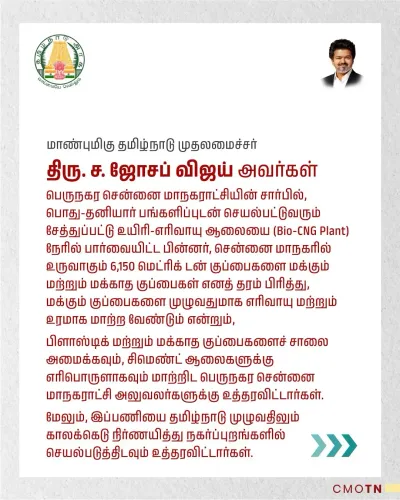
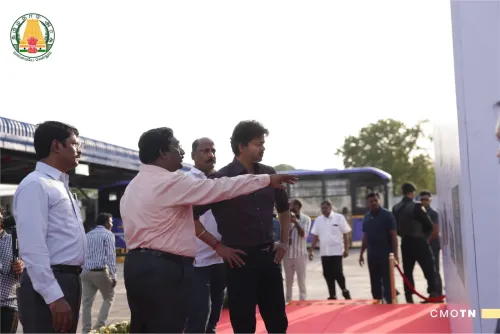
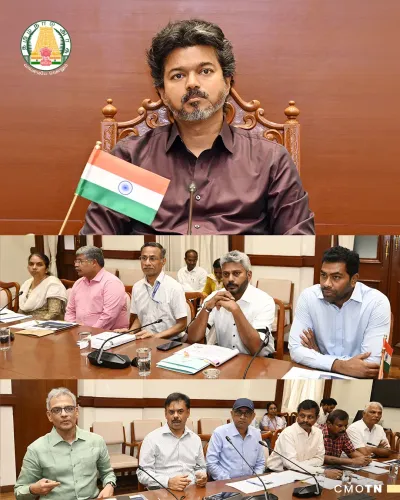
CM Joseph Vijay inspects Chennai Sethupattu bio-gas plant
Synopsis
Tamil Nadu Chief Minister C. Joseph Vijay visited the bio-gas plant at Sethupattu, Chennai on 20 July 2026. The inspection, announced by the Chief Minister's Office on X, underscores the state government's focus on waste-to-energy infrastructure and urban sanitation as part of its broader renewable energy agenda.
Key Takeaways
Joseph Vijay conducted an inspection of the Sethupattu bio-gas plant in Chennai on 20 July 2026 .
The visit was announced by the official Chief Minister's Office of Tamil Nadu account on X, accompanied by four images.
The Sethupattu facility converts municipal organic waste into bio-gas, serving both sanitation and renewable energy goals.
Tamil Nadu has promoted waste-to-energy projects as part of its urban infrastructure and environmental policy since the early 2000s.
The inspection may precede decisions on capacity expansion, maintenance upgrades, or scaling the bio-gas model to other cities in the state.
Key stakeholders include the Greater Chennai Corporation , urban sanitation bodies, and the state renewable energy sector.
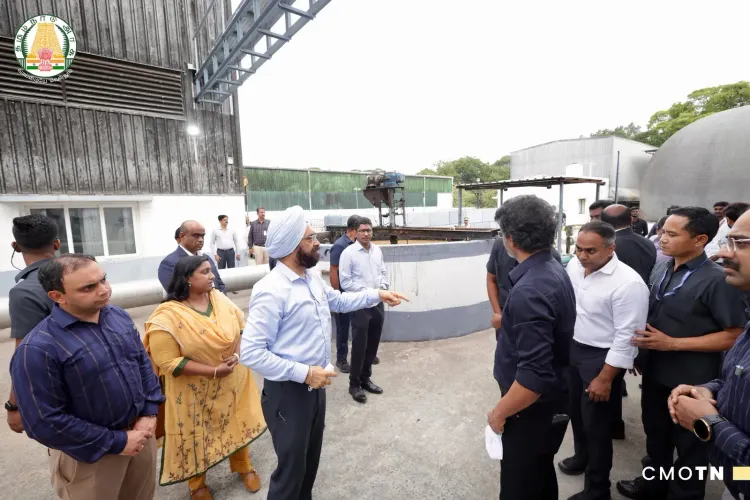
Tamil Nadu Chief Minister C. Joseph Vijay on Monday, 20 July 2026, conducted an on-site inspection of the biogas plant at Sethupattu, Chennai, the Chief Minister's Office of Tamil Nadu announced via its official account on X.
Context
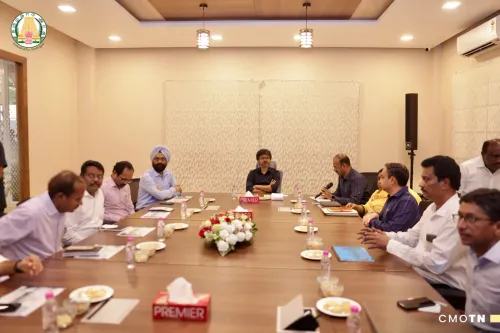
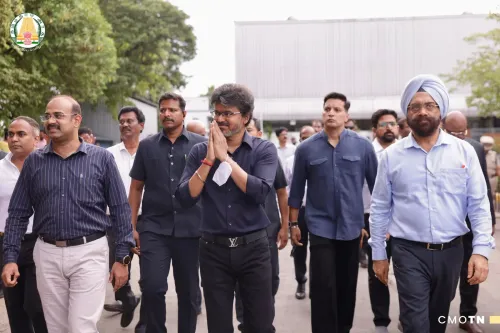
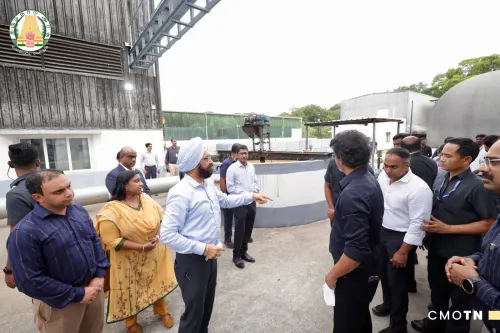
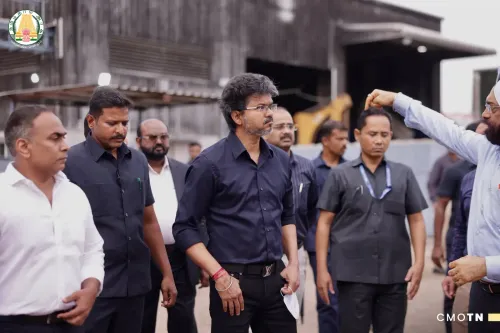
The Chief Minister's Office shared four images from the visit, captioned in Tamil: 'மாண்புமிகு தமிழ்நாடு முதலமைச்சர் திரு.ச.ஜோசப் விஜய் அவர்கள் சென்னை சேத்துப்பட்டு உயிரி எரிவாயு ஆலையில் ஆய்வு' — ('The Honourable Chief Minister of Tamil Nadu, Mr C. Joseph Vijay, inspects the bio-gas plant at Sethupattu, Chennai'). The visit signals the state government's active oversight of urban waste-to-energy infrastructure in the capital city.
The Sethupattu bio-gas facility is located on the outskirts of Chennai and forms part of the city's broader municipal solid waste management network. Bio-gas plants of this type convert organic waste into combustible gas, generating a renewable energy source while reducing landfill burden.
Policy Backdrop
Tamil Nadu has been an active proponent of waste-to-energy and bio-gas technology since the early 2000s, integrating such projects into successive state environmental and urban infrastructure plans. The state has consistently sought to expand renewable energy capacity alongside its obligations under national solid waste management rules.
Urban local bodies across Tamil Nadu have been tasked with improving waste processing efficiency, and bio-gas plants have emerged as a preferred solution that simultaneously addresses sanitation and clean energy goals. A senior-level inspection of this kind typically precedes decisions on capacity expansion, maintenance upgrades, or replication of the model in other urban centres.
Stakeholders and Impact
The primary stakeholders in the Sethupattu facility include the Greater Chennai Corporation, urban sanitation departments, and the state's renewable energy agencies. Residents in surrounding areas stand to benefit from improved waste processing, which reduces open dumping and associated public health risks.
The renewable energy sector also watches such inspections closely, as state-level political attention to bio-gas infrastructure often translates into fresh procurement orders, public-private partnership opportunities, or increased budgetary allocation in subsequent state budgets.
What's Next
Follow-up announcements from the Chief Minister's Office or the Tamil Nadu government are expected to detail any directives issued during the inspection — including targets for plant output, timelines for upgrades, or plans to replicate the Sethupattu model at other sites across the state. The inspection positions bio-gas infrastructure as a visible priority for the current administration, and further policy decisions in the urban sanitation and renewable energy space are likely to follow.
Point of View
Suggesting the current administration intends to make waste-to-energy a flagship deliverable. Such inspections in Indian state politics routinely precede budget announcements or scheme launches, and the optics of clean energy oversight carry electoral value in urban constituencies. The move also aligns with a broader national push toward decentralised renewable energy and scientific waste disposal. Whether this translates into concrete expansion targets or remains symbolic will become clear in the weeks following the visit.
NationPress
21 Jul 2026
Frequently Asked Questions
What did Tamil Nadu CM Joseph Vijay inspect on 20 July 2026?
Chief Minister C. Joseph Vijay inspected the bio-gas plant at Sethupattu, Chennai, as announced by the Chief Minister's Office of Tamil Nadu on X.
Where is the Sethupattu bio-gas plant located?
The Sethupattu bio-gas plant is located on the outskirts of Chennai , Tamil Nadu, and is part of the city's municipal solid waste management infrastructure.
What does the Sethupattu bio-gas plant do?
The facility converts municipal organic waste into combustible bio-gas, providing a renewable energy source while reducing the volume of waste sent to landfills.
Why is the Tamil Nadu CM visiting a bio-gas plant?
The inspection signals the state government's active oversight of urban waste-to-energy infrastructure; such visits typically precede policy decisions on capacity expansion or replication of the model elsewhere.
What is Tamil Nadu's record on bio-gas and waste-to-energy projects?
Tamil Nadu has supported bio-gas and waste-to-energy projects since the early 2000s, integrating them into state environmental and urban infrastructure plans to address sanitation needs and expand renewable energy capacity.