CM Vijay Inspects Biogas Plant at Chennai's Seethapuram
Synopsis
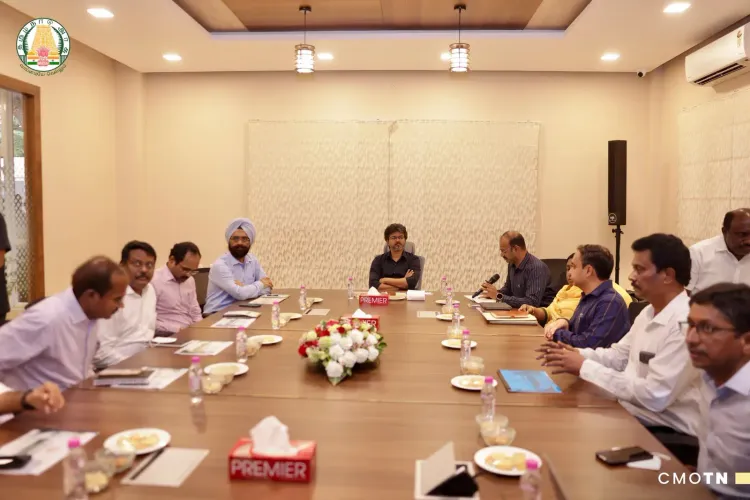
Chief Minister C. Joseph Vijay visited the Seethapuram biogas plant in Chennai on 20 July 2026, with the CMO sharing images of the inspection. The visit highlights Tamil Nadu's ongoing push to expand urban waste-to-energy infrastructure as part of its renewable energy and solid-waste management strategy.
Key Takeaways
Joseph Vijay inspected the biogas plant at Seethapuram, Chennai on 20 July 2026 .
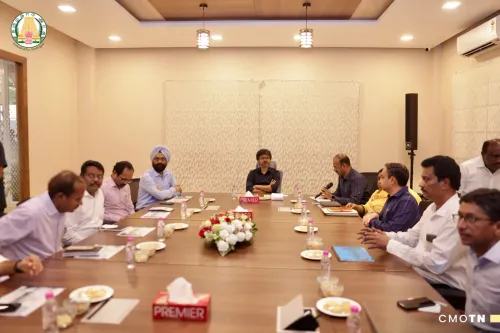
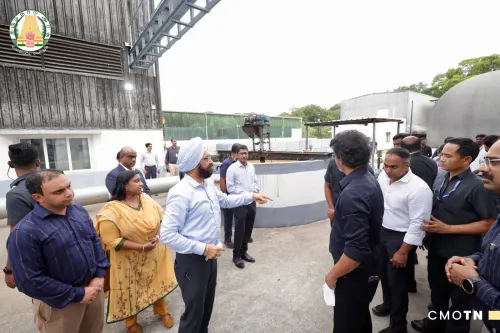
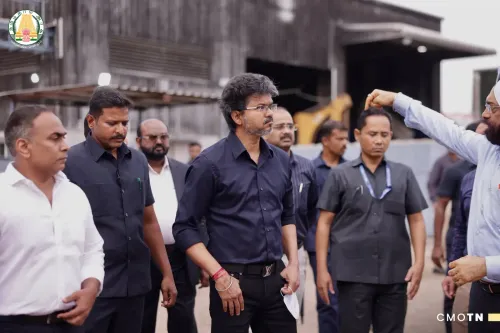
The visit was officially confirmed by the Chief Minister's Office of Tamil Nadu via its verified X account, with two images shared.
Tamil Nadu has operated municipal biogas and waste-to-energy plants since the early 2000s as part of urban solid-waste and renewable energy programmes.
The Seethapuram facility processes organic municipal waste to generate bio-energy, reducing pressure on Chennai's landfills.
The inspection may foreshadow state budget allocations or tenders for new or upgraded biogas capacity in Chennai and beyond.
Biogas infrastructure complements Tamil Nadu's larger renewable portfolio, which is anchored by significant wind and solar capacity.
The Chief Minister's Office of Tamil Nadu announced on Monday, 20 July 2026 that Chief Minister C. Joseph Vijay conducted an inspection of the biogas plant in Seethapuram (Saidapet), Chennai, marking one of his early on-ground reviews of the state's urban renewable energy infrastructure.
Context
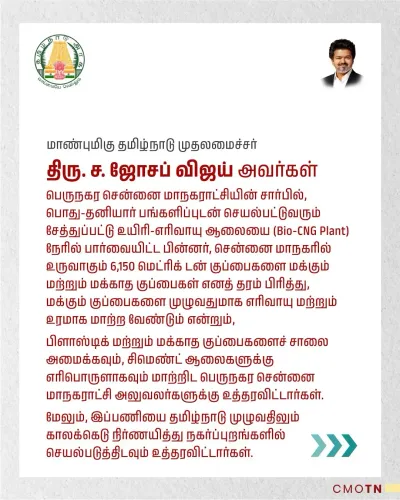
The official CMO post, shared in Tamil, states: 'மாண்புமிகு தமிழ்நாடு முதலமைச்சர் திரு.ச.ஜோசப் விஜய் அவர்கள் சென்னை சேத்துப்பட்டு உயிரி எரிவாயு ஆலையில் ஆய்வு' — translated as 'Honourable Tamil Nadu Chief Minister Mr C. Joseph Vijay inspected the biogas plant at Seethapuram, Chennai.' The visit was accompanied by photographic documentation shared by the CMO's official account under the hashtag #CMJosephVijay.
Seethapuram houses one of Chennai's municipal biogas facilities, which processes organic waste to generate bio-energy, reducing pressure on the city's landfills. Such plants operate under a framework combining urban local body mandates with central and state renewable energy goals.
Policy Backdrop
Tamil Nadu has been expanding waste-to-energy and biogas infrastructure since the early 2000s, drawing on programmes linked to urban development and solid-waste management policy. Biogas plants in Chennai have been positioned as dual-purpose assets — diverting organic waste from landfills while adding to the state's bio-energy output alongside its established wind and solar sectors.
The state is also bound by renewable purchase obligations that incentivise diversification of the energy mix. Biogas, while a smaller contributor than wind or solar, plays a role in the distributed energy strategy for urban centres. The Swachh Bharat Mission and its successor frameworks have provided central funding channels for such facilities.
Stakeholders and Impact
Urban local bodies — particularly the Greater Chennai Corporation — are the primary operators and beneficiaries of biogas plants, as successful operations reduce tipping fees and landfill costs. Renewable energy developers and private operators who manage operations and maintenance also have a stake in how the state prioritises and funds these assets.
For residents of Chennai, effective biogas infrastructure means reduced odour and pollution from organic waste accumulation, as well as the potential for cheaper energy inputs in municipal operations. A Chief Ministerial visit signals political attention to the sector, which can accelerate budget allocations and pending tenders.
What's Next
Observers will watch whether the inspection leads to announcements on state budget allocations for new biogas plants or upgrades to existing facilities. Integration of Chennai's biogas output with Tamil Nadu's broader renewable purchase obligations remains a key policy lever. Any follow-up tenders or capacity-expansion targets announced by the government in the coming weeks will indicate the weight the administration places on this segment of its clean-energy portfolio.
Point of View
Such ground-level reviews serve both a policy-audit function and a communication purpose — demonstrating hands-on governance beyond legislative announcements. Tamil Nadu's long track record in wind and solar gives it a credible foundation, but the waste-to-energy segment has historically lagged in funding consistency; sustained political attention could change that calculus. The visit fits a broader pattern of state governments using site inspections to accelerate stalled tenders and unlock budget commitments in niche but strategically important infrastructure sectors.
NationPress
21 Jul 2026
Frequently Asked Questions
Which biogas plant did Tamil Nadu CM Vijay inspect?
CM C. Joseph Vijay inspected the biogas plant located at Seethapuram (Saidapet) in Chennai on 20 July 2026, as confirmed by the official Chief Minister's Office account.
What is a biogas plant and why does Chennai have one?
A biogas plant processes organic municipal waste to produce combustible gas used for energy generation. Chennai's Seethapuram facility is part of Tamil Nadu's strategy to reduce landfill use and diversify its renewable energy mix.
Who is C. Joseph Vijay and how did he become Tamil Nadu CM?
C. Joseph Vijay is a prominent Tamil film actor who entered politics by launching the Tamilaga Vettri Kazhagam party in 2024 and subsequently rose to become Chief Minister of Tamil Nadu.
What is the significance of the Seethapuram biogas plant inspection?
A Chief Ministerial visit to a municipal biogas facility typically signals administrative focus on the sector, which can accelerate budget allocations, pending tenders, and capacity-expansion plans.
What is Tamil Nadu's policy on waste-to-energy infrastructure?
Tamil Nadu has been building and expanding biogas and waste-to-energy plants in Chennai and other cities since the 2000s under central and state urban development programmes, aiming to cut landfill dependency while boosting bio-energy capacity.