CM Yogi flags CBG plant at Dhuriyapar, Greater GIDA expansion
Synopsis
Chief Minister Yogi Adityanath has flagged the establishment of a Compressed Biogas plant at Dhuriyapar in Gorakhpur and the ongoing development of Greater GIDA, pairing green-energy infrastructure with industrial expansion in eastern Uttar Pradesh under the central SATAT scheme.
Key Takeaways
The Chief Minister's Office of Uttar Pradesh shared remarks by CM Yogi Adityanath on 13 June 2026 confirming a CBG plant has been established at Dhuriyapar , Gorakhpur district.
Greater GIDA — the expansion zone of the Gorakhpur Industrial Development Authority — is currently under active development alongside the CBG facility.
The CBG plant aligns with the central government's SATAT scheme , launched in October 2018 , which promotes compressed biogas production from agricultural residue and municipal waste.
The twin projects are designed to generate rural income for local farmers and attract manufacturing and logistics investors to eastern Uttar Pradesh.
Reducing stubble burning in the region is an ancillary benefit of routing agricultural residue into biogas production.
Future milestones to watch include land allotment announcements for Greater GIDA and expansion of SATAT-linked CBG plants across the state.
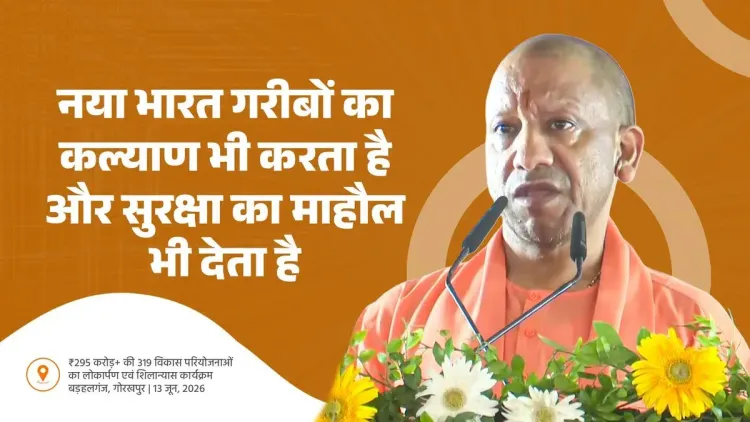
The Chief Minister's Office of Uttar Pradesh on Saturday, 13 June 2026 shared remarks by Chief Minister Yogi Adityanath highlighting the establishment of a Compressed Biogas (CBG) plant at Dhuriyapar in Gorakhpur district and the ongoing development of Greater GIDA — the expanded zone of the Gorakhpur Industrial Development Authority.
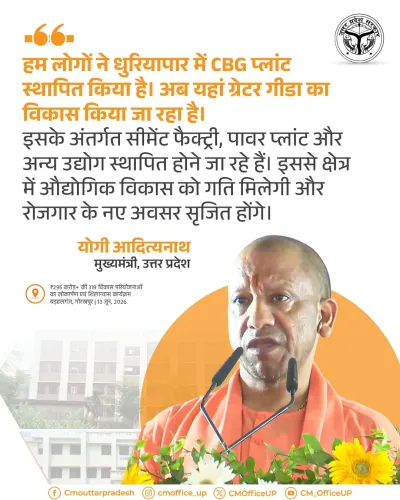
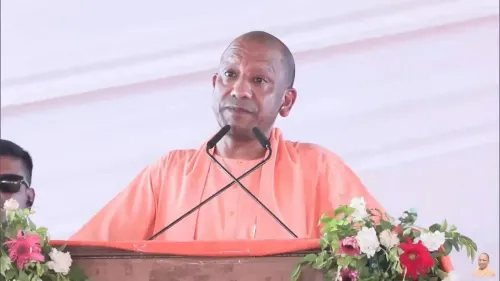
Speaking on the twin initiatives, CM Yogi stated: 'Hum logon ne Dhuriyapar mein CBG plant sthapit kiya hai. Ab yahan Greater GIDA ka vikas kiya ja raha hai.' ['We have established a CBG plant at Dhuriyapar. Now, Greater GIDA is being developed here.'] The remarks signal the state government's intent to couple green-energy infrastructure with broader industrial land development in eastern Uttar Pradesh.
Context
Dhuriyapar is a locality within Gorakhpur district, the Chief Minister's home constituency, where the state government has been channelling infrastructure investment over recent years. The CBG plant there is designed to convert agricultural residue and organic waste into compressed biogas, a cleaner fuel alternative. Its establishment marks a concrete step in bringing bio-energy production to a region that has historically depended on agriculture.
Greater GIDA refers to the expansion zone of the Gorakhpur Industrial Development Authority, intended to attract manufacturing and logistics investments beyond the authority's existing footprint. The simultaneous push on both fronts — green fuel and industrial land — reflects a deliberate state strategy to generate rural employment while building industrial capacity in eastern Uttar Pradesh.
Policy Backdrop
The CBG plant at Dhuriyapar aligns with the SATAT (Sustainable Alternative Towards Affordable Transportation) scheme, a central government programme launched by the Ministry of Petroleum and Natural Gas in October 2018. The scheme promotes the setting up of CBG plants using agricultural residue and municipal solid waste, with the compressed biogas fed into the natural gas grid or sold directly as vehicle fuel.
Uttar Pradesh has positioned itself as an active participant in the SATAT framework, with the eastern districts seen as particularly suitable given the high volume of paddy and sugarcane residue generated there. Reducing stubble burning — a significant contributor to seasonal air pollution — is an added incentive for state-level adoption of CBG infrastructure.
The GIDA model, meanwhile, has been a cornerstone of the state's industrial policy since the authority's inception, providing planned land parcels, utilities, and connectivity to investors. Greater GIDA extends this model to accommodate larger and more diverse industrial clusters.
Stakeholders and Impact
Local farmers stand to benefit on two counts: as suppliers of agricultural waste feedstock to the CBG plant, generating additional income from residue that would otherwise be burned, and as potential employees or vendors within the expanding Greater GIDA industrial zone. Biogas entrepreneurs and industrial investors are the other key stakeholders, with the state signalling a policy environment conducive to both green-energy and manufacturing projects.
For Gorakhpur district as a whole, the pairing of a bio-energy plant with an industrial development zone could create a self-reinforcing economic cluster — where agricultural by-products fuel industrial processes and the industrial zone in turn generates demand for local services and labour.
What's Next
Attention will now turn to the pace of land allotment and investment announcements under Greater GIDA, as well as the operational status and output capacity of the Dhuriyapar CBG plant. The state government's forthcoming industrial policy updates are expected to provide further detail on both fronts.
Progress on additional CBG plants sanctioned under SATAT across Uttar Pradesh will also be watched, as the state looks to scale bio-energy output in line with national targets. How quickly Greater GIDA can attract anchor investors will be a key indicator of the broader eastern UP industrial strategy's success.
Point of View
Gorakhpur is both a political heartland and a showcase district, making visible infrastructure announcements there doubly significant. The SATAT alignment also allows the state to leverage central funding and oil-marketing-company offtake agreements, reducing fiscal risk. The broader arc here is Uttar Pradesh's effort to reposition its eastern districts from agrarian backwaters to diversified economic zones before the next electoral cycle.
NationPress
13 Sept 2026
Frequently Asked Questions
What is the CBG plant at Dhuriyapar?
The CBG plant at Dhuriyapar, Gorakhpur, is a Compressed Biogas facility that converts agricultural residue and organic waste into biogas for use as a cleaner fuel. It was established under the state government's push to expand bio-energy infrastructure in eastern Uttar Pradesh.
What is Greater GIDA?
Greater GIDA is the expansion zone of the Gorakhpur Industrial Development Authority (GIDA). It is being developed to attract new manufacturing and logistics investments beyond the authority's existing industrial area in Gorakhpur district.
What is the SATAT scheme?
SATAT stands for Sustainable Alternative Towards Affordable Transportation. It is a central government scheme launched in October 2018 by the Ministry of Petroleum and Natural Gas to promote the setting up of Compressed Biogas plants using agricultural residue and municipal solid waste across India.
How does the Dhuriyapar CBG plant benefit farmers?
Local farmers can supply agricultural waste — such as paddy or sugarcane residue — as feedstock to the CBG plant, earning additional income from material that would otherwise be burned in fields. This also helps reduce stubble burning and associated air pollution.
What did CM Yogi Adityanath say about Dhuriyapar and Greater GIDA?
CM Yogi Adityanath stated that a CBG plant has been established at Dhuriyapar and that Greater GIDA is now being developed in the same area, signalling the state's intent to pair green-energy infrastructure with industrial expansion in Gorakhpur district.