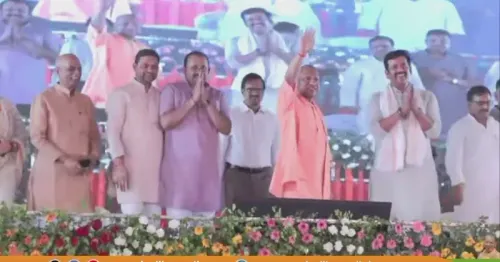
CM Yogi Launches Rs 208 Crore GIDA Projects in Gorakhpur
Synopsis
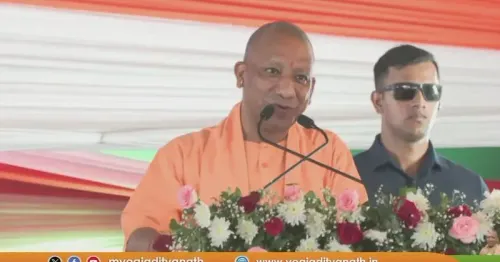
Chief Minister Yogi Adityanath inaugurated and laid the foundation for projects worth Rs 208 crore in the GIDA area of Gorakhpur, including a flatted factory complex and EWS and LIG housing, the Chief Minister's Office of Uttar Pradesh announced, underlining the state's continued push for industrial and affordable housing growth in Purvanchal.
Key Takeaways
CM Yogi Adityanath inaugurated and laid the foundation for projects worth Rs 208 crore in Gorakhpur .
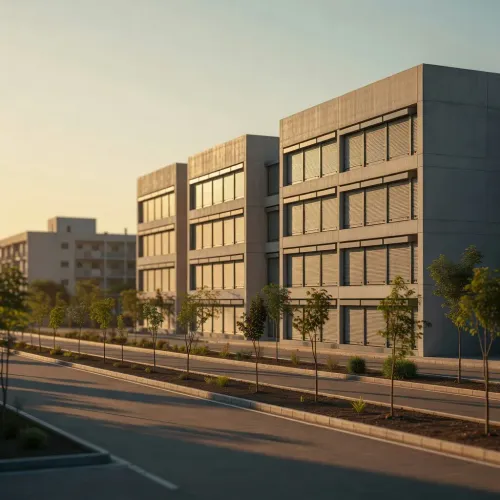
The package covers a flatted factory complex in the GIDA area for MSMEs.
It also includes EWS and LIG residential complexes for low-income families.
The projects align with the UP Industrial Investment and Employment Promotion Policy, 2017 .
Housing components dovetail with PMAY-U , the central urban housing scheme.
The announcement was shared with a live broadcast link from the event.
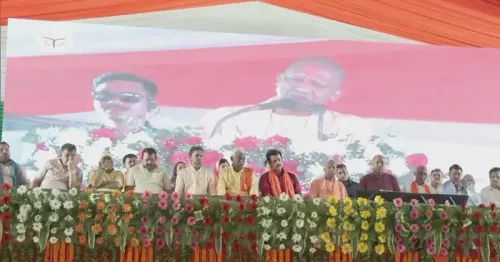
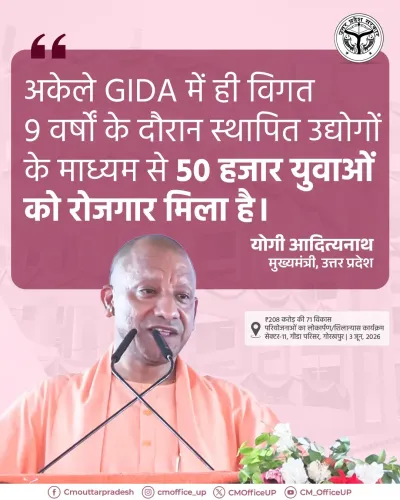
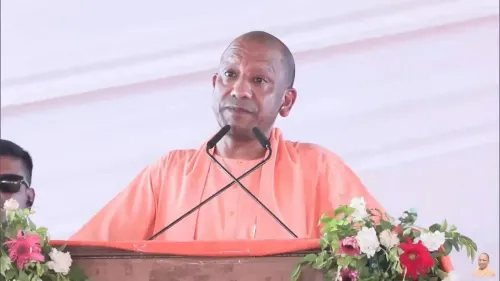
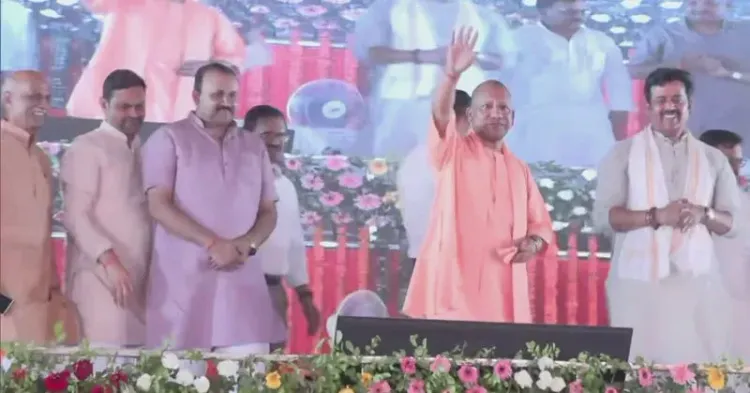
The Chief Minister's Office of Uttar Pradesh on 3 June 2026 announced that Chief Minister Yogi Adityanath participated in the inauguration and foundation-laying ceremony of multiple development projects worth Rs 208 crore in the Gorakhpur Industrial Development Authority (GIDA) area in Gorakhpur. The package includes a flatted factory complex and integrated EWS and LIG residential blocks aimed at boosting small industry and affordable housing in eastern Uttar Pradesh.
In the post, the office said the Chief Minister joined the 'lokarpan/shilanyas' (inauguration and foundation-laying) programme for various projects in the GIDA area, including a flatted factory complex and EWS (Economically Weaker Section) and LIG (Lower Income Group) housing complexes, at a combined cost of Rs 208 crore. The update was accompanied by a live broadcast link from the event venue.
Context
Gorakhpur, the Chief Minister's home district, has been a recurring site for state-led industrial and housing announcements since 2017. GIDA, the Gorakhpur Industrial Development Authority, is the nodal agency for industrial estate development in the region and has progressively expanded its footprint along the Gorakhpur-Lucknow corridor.
The flatted factory model — multi-storey industrial buildings offering ready-to-use units — is designed to lower the entry barrier for micro, small and medium enterprises (MSMEs) that cannot afford standalone plots. Pairing such facilities with EWS and LIG housing within the same authority area is intended to co-locate workers and employers.
Policy backdrop
The projects sit within the framework of the Uttar Pradesh Industrial Investment and Employment Promotion Policy, 2017, which identified Purvanchal districts, including Gorakhpur, as priority zones for industrial estate development and flatted factory construction.
The housing component aligns with Pradhan Mantri Awas Yojana-Urban (PMAY-U), launched in 2015, under which EWS and LIG units have been folded into state industrial township projects across Uttar Pradesh. The combined approach reflects a wider state effort to address regional economic imbalances between western and eastern Uttar Pradesh.
Stakeholders and impact
The immediate beneficiaries are MSME entrepreneurs seeking plug-and-play industrial space in GIDA, and EWS and LIG families looking for subsidised housing close to employment hubs. Ready-built factory units typically reduce setup time for small units from years to months, while integrated housing can ease commuting pressures on industrial workers.
For GIDA, the announcement adds to a pipeline of inaugurations that have positioned the authority as one of the more active industrial development bodies in eastern Uttar Pradesh. Local contractors, allottees and ancillary service providers are likely to be the next layer of stakeholders as commissioning proceeds.
What's next
Key questions for the coming quarters will be the occupancy rate of the new flatted factory units, the pace at which EWS and LIG flats are allotted to verified beneficiaries, and whether further GIDA phases attract fresh land allotments or anchor investors.
If uptake is strong, the Gorakhpur template — flatted factories bundled with worker housing — could be replicated in other Purvanchal districts. Sustained execution will determine whether the Rs 208 crore package translates into durable jobs and a measurable shift in the region's industrial profile.
Point of View
But the more important test is execution: allotment transparency, occupancy and whether anchor industries follow. If GIDA delivers, the model strengthens the case for replicating integrated industrial townships across eastern Uttar Pradesh.
NationPress
18 Oct 2026
Frequently Asked Questions
What did CM Yogi Adityanath inaugurate in Gorakhpur?
CM Yogi Adityanath inaugurated and laid the foundation for projects worth Rs 208 crore in the GIDA area of Gorakhpur, including a flatted factory complex and EWS and LIG residential complexes.
What is a flatted factory complex?
A flatted factory complex is a multi-storey industrial building that offers ready-to-use production units, typically aimed at micro, small and medium enterprises that cannot afford or do not require standalone plots.
What is GIDA in Gorakhpur?
GIDA stands for Gorakhpur Industrial Development Authority, the state agency responsible for planning and developing industrial infrastructure in and around Gorakhpur in eastern Uttar Pradesh.
Who benefits from EWS and LIG housing under such projects?
EWS (Economically Weaker Section) and LIG (Lower Income Group) housing units are intended for low-income families, often allotted under schemes linked to Pradhan Mantri Awas Yojana-Urban and state housing programmes.
How much is being spent on the new Gorakhpur projects?
The combined cost of the projects announced is Rs 208 crore, covering the flatted factory complex and the EWS and LIG residential complexes in the GIDA area.