CM Yogi launches Rs 208 crore GIDA flatted factory, EWS housing in Gorakhpur
Synopsis
Uttar Pradesh Chief Minister Yogi Adityanath inaugurated Rs 208 crore worth of projects in the Gorakhpur Industrial Development Authority area, including a flatted factory complex for over 100 MSME units, EWS and LIG housing, and certificate distribution to NIELIT skill centre trainees, positioning the campus as a Purvanchal industrial growth model.
Key Takeaways
Projects worth Rs 208 crore launched in the GIDA area of Gorakhpur .
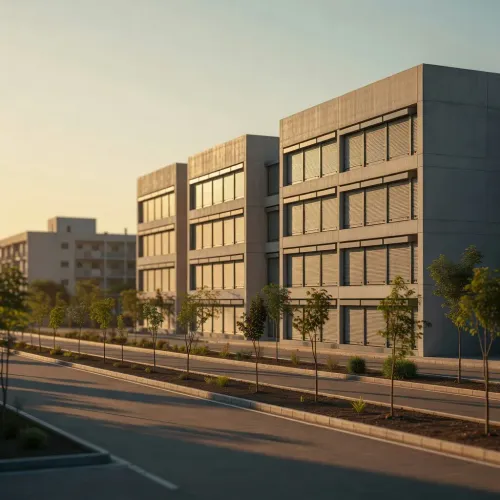
Flatted factory complex designed to host over 100 MSME industries on a single campus.
EWS and LIG allottees received housing allotment letters at the event.
Certificates distributed to students trained at the NIELIT skill centre.
Industrial plot allottees also handed letters, integrating workspace, housing and skilling.
Project aligns with Uttar Pradesh's Purvanchal industrial push under the 2017 industrial policy.
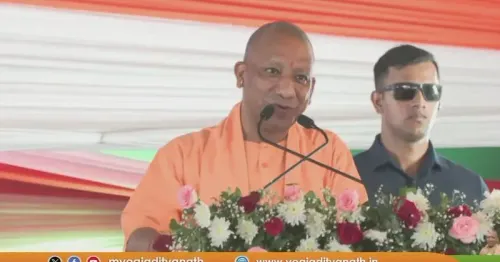
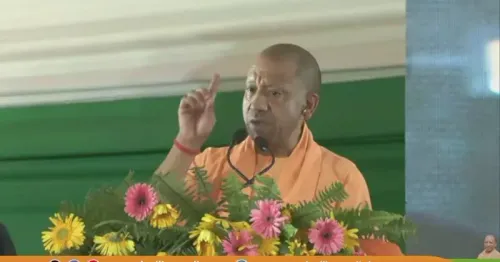
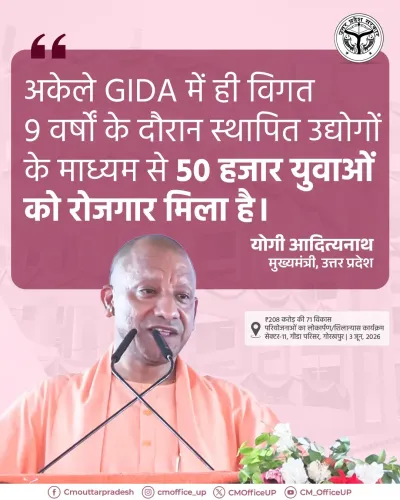
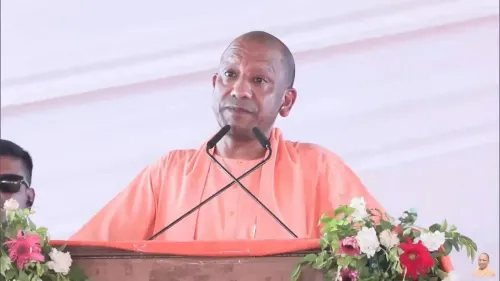
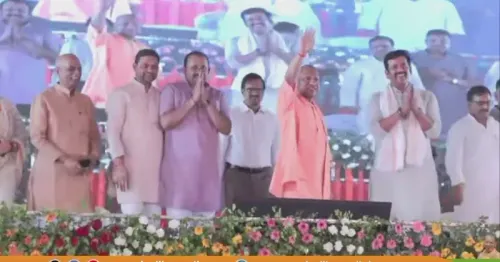
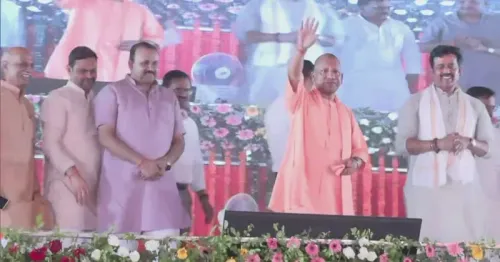
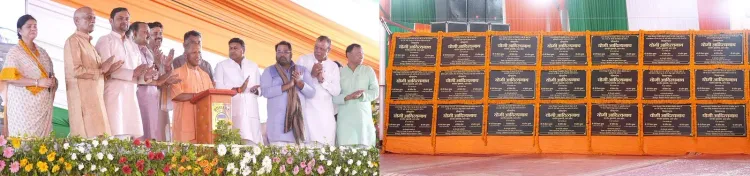
Uttar Pradesh Chief Minister Yogi Adityanath on Wednesday attended an inauguration and foundation-stone event in the Gorakhpur Industrial Development Authority (GIDA) area, where development projects worth Rs 208 crore were unveiled, including a flatted factory complex and an EWS and LIG residential complex. The Chief Minister also handed over allotment letters to housing and industrial plot beneficiaries and distributed certificates to students trained at the NIELIT skill centre.
In his post on X, the Chief Minister wrote that the modern flatted factory will allow '100 se adhik udyog' (more than 100 MSME industries) to operate within a single campus, calling it a model of industrial development that could become exemplary at a global level. He extended congratulations to entrepreneurs and residents of the district.
Context
The event is anchored in Gorakhpur, the eastern Uttar Pradesh city that the Chief Minister represents and which has emerged as a focal node of the state's Purvanchal industrial push. GIDA, a statutory authority created to develop industrial estates in the district, has been the implementing agency for a clutch of factory, housing and training projects rolled out in phases.
The launch bundles three components that the state government has frequently packaged together: industrial workspace for MSMEs, affordable housing for Economically Weaker Sections (EWS) and Low Income Group (LIG) families, and a certification stream through the National Institute of Electronics and Information Technology (NIELIT), which runs IT and electronics skill centres under the Ministry of Electronics and Information Technology.
Policy backdrop
The flatted factory format — multi-storey industrial buildings where small units share a campus and common infrastructure — is a key instrument of the Uttar Pradesh Industrial Investment and Employment Promotion Policy, 2017, which prioritised industrial estate development in eastern districts. By stacking MSME units vertically, the model is designed to lower land and setup costs for small entrepreneurs.
The EWS and LIG housing layer aligns with Pradhan Mantri Awas Yojana (Urban), launched in 2015, which mandates affordable housing components within state-led urban and industrial development. NIELIT's footprint in Uttar Pradesh has expanded since 2017 through tie-ups with district industrial authorities for local workforce training.
Stakeholders and impact
The direct beneficiaries named in the Chief Minister's post are three groups: MSME entrepreneurs who will operate units inside the flatted factory complex, EWS and LIG allottees who received housing letters, and trainees certified by the NIELIT skill centre. The combination is intended to link industrial space, worker housing and a local hiring pipeline within the same GIDA campus.
For Purvanchal, the package is part of a broader attempt to extend industrial activity beyond the National Capital Region into eastern Uttar Pradesh, a region that has historically seen heavy out-migration of workers. Clustered MSME infrastructure paired with affordable housing has been the state's preferred template for that rebalancing.
What's next
Attention will turn to how quickly units inside the new flatted factory campus become operational, how the EWS and LIG allotments translate into occupied housing, and whether GIDA proceeds with further land auctions or additional PMAY-linked housing phases. The performance of the NIELIT-trained cohort in finding placements within the new industrial campus will be an early test of whether the integrated skill-housing-industry model delivers on its stated promise.
Point of View
Affordable housing and a skilling node into one campus, then anchor it in a Purvanchal district. The flatted factory format is significant because it lowers the entry barrier for small units that cannot afford standalone industrial plots. Pairing it with EWS and LIG housing and a NIELIT certification stream signals an effort to keep both workers and entrepreneurs locally rooted. Execution metrics — unit occupancy, housing handover timelines and trainee placement — will determine whether this becomes a replicable model or another announcement.
NationPress
19 Sept 2026
Frequently Asked Questions
What did Yogi Adityanath inaugurate in Gorakhpur?
He inaugurated and laid foundation stones for development projects worth Rs 208 crore in the GIDA area, including a flatted factory complex and an EWS and LIG residential complex.
What is a flatted factory complex?
A flatted factory is a multi-storey industrial building where several small manufacturing units share a single campus and common infrastructure. The GIDA complex is designed to host more than 100 MSME industries.
What is GIDA in Gorakhpur?
GIDA is the Gorakhpur Industrial Development Authority, a statutory body that develops and manages industrial estates and infrastructure in Gorakhpur district.
Who are EWS and LIG housing beneficiaries?
EWS refers to Economically Weaker Sections and LIG to Low Income Groups, two affordable housing categories under central and state schemes including Pradhan Mantri Awas Yojana (Urban).
What role does NIELIT play in the project?
NIELIT, the National Institute of Electronics and Information Technology, runs a skill centre linked to the GIDA campus and certified trainees received certificates from the Chief Minister at the event.