CM Yogi: GIDA expansion on 7,000 acres in Dhuriapar gathers pace
Synopsis
The Chief Minister's Office of Uttar Pradesh said the Gorakhpur Industrial Development Authority's 7,000-acre expansion at Dhuriapar is moving rapidly, with cement and paint factories being installed and bio-CNG production already underway, positioning the site as a flagship of eastern Uttar Pradesh's industrial drive.
Key Takeaways
GIDA's expansion at Dhuriapar spans 7,000 acres in Gorakhpur district .
Cement and paint factories are being set up at the site, according to the CMO post.
Bio-CNG production has begun, linking the cluster to renewable-energy schemes.
The project draws on the UP Industrial Investment and Employment Promotion Policy, 2017 .
The expansion is part of a wider push to industrialise eastern UP and narrow the gap with the western corridor.
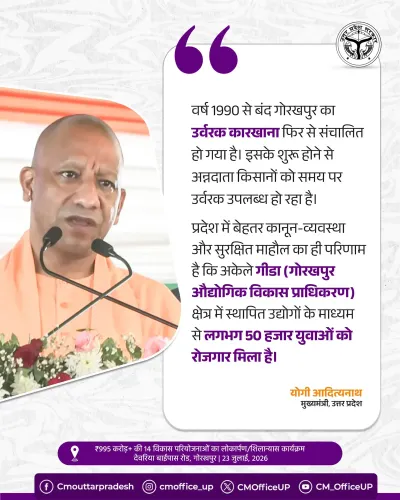
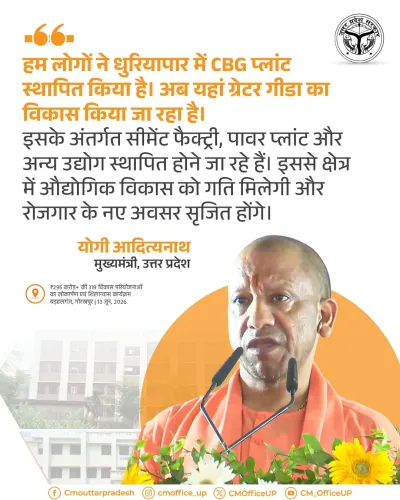
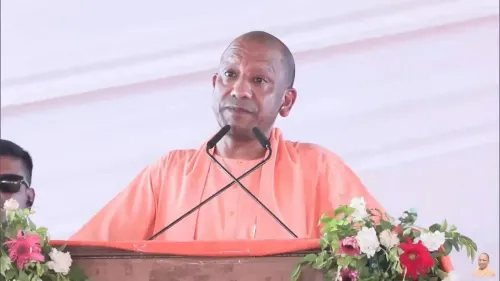
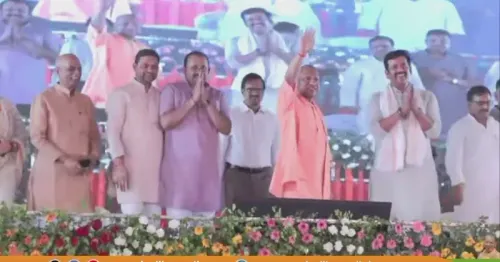
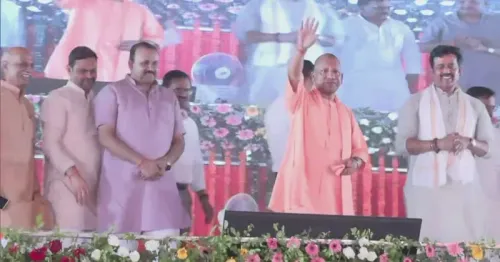
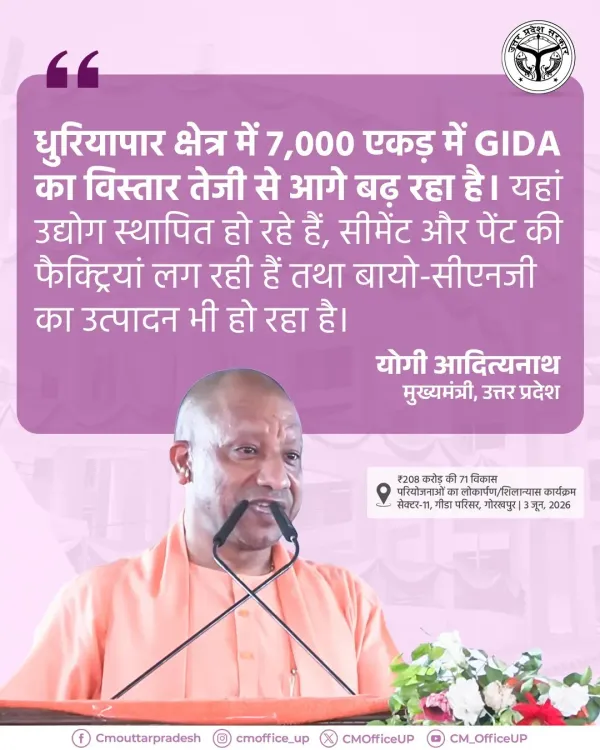
The Chief Minister's Office of Uttar Pradesh on Wednesday said the expansion of the Gorakhpur Industrial Development Authority (GIDA) across 7,000 acres in the Dhuriapar belt of Gorakhpur district is progressing rapidly, with new manufacturing units, cement and paint factories, and bio-CNG production already coming up. The update, attributed to Chief Minister Yogi Adityanath, frames the project as a flagship of eastern Uttar Pradesh's industrial push.
In the post, the Chief Minister is quoted as saying, 'Dhuriapar kshetra mein 7,000 acre mein GIDA ka vistar tezi se aage badh raha hai' ('GIDA's expansion across 7,000 acres in the Dhuriapar region is moving ahead rapidly'). The message adds that industries are being set up, cement and paint factories are being installed, and bio-CNG is also being produced at the site.
Context
The Gorakhpur Industrial Development Authority was created to plan and manage industrial estates across the Gorakhpur region in eastern Uttar Pradesh. Its original footprint, along the NH-28 corridor near Sahjanwa, has housed food-processing, plastics and pharmaceutical units for nearly three decades.
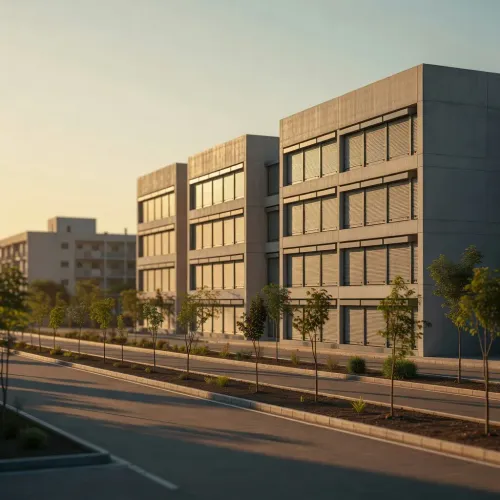
The Dhuriapar extension, located south of Gorakhpur city, marks one of the largest single expansions attempted by the authority. State communications have positioned the additional 7,000 acres as a land bank intended to bring heavy and medium manufacturing closer to the Purvanchal hinterland.
Policy backdrop
The expansion sits within the framework of the Uttar Pradesh Industrial Investment and Employment Promotion Policy, 2017, which offered capital subsidies, stamp-duty waivers and interest reimbursement to units set up in the state's eastern districts. Successive state budgets since then have routed allocations toward land acquisition and trunk infrastructure for new industrial authorities.
The mention of bio-CNG alongside cement and paints reflects a parallel policy thrust. Bio-CNG plants, which convert agricultural and organic waste into compressed natural gas, are being promoted under central renewable-energy schemes and the SATAT (Sustainable Alternative Towards Affordable Transportation) initiative, providing offtake assurance to investors.
Stakeholders and impact
The expansion touches several constituencies. Dhuriapar landowners face acquisition and compensation processes; local entrepreneurs and ancillary suppliers stand to gain from a wider industrial base; and a fresh workforce pool in eastern Uttar Pradesh could see jobs in construction, factory operations and logistics.
The presence of cement and paint factories signals demand from the construction sector, while bio-CNG units link the project to the rural economy through feedstock supply chains. Industry watchers have flagged the bundling of conventional manufacturing with waste-to-energy as a deliberate attempt to diversify the cluster's risk profile.
The broader pattern is one of state-led industrial geography. Since 2017, the Uttar Pradesh government has emphasised new authorities and land banks in the east to narrow the development gap with the western corridor running from Noida to Kanpur.
What's next
Attention will turn to the release of employment and investment figures from the operational GIDA units in Dhuriapar, along with any fresh environmental clearances or land-acquisition notifications for the remaining acreage. Investor commitments at upcoming state summits and ground-breaking ceremonies are likely to test whether the on-paper expansion converts into sustained manufacturing activity.
For the Chief Minister's office, the Dhuriapar push is being projected as proof that the Purvanchal industrial story has moved beyond announcements. The pace at which factories become operational, and the share of local hires they absorb, will shape the political narrative around eastern Uttar Pradesh's economic catch-up.
Point of View
Uttar Pradesh has used new industrial authorities and land banks as the primary instrument to redirect private investment toward the east. By foregrounding cement, paints and bio-CNG together, the state is signalling both a construction-led demand story and an alignment with central renewable-fuel programmes. The political read is equally clear — Purvanchal's industrial story is being projected as deliverable, not aspirational. The credibility test will be operational data on jobs, investment and clearances over the coming quarters.
NationPress
17 Oct 2026
Frequently Asked Questions
What is the GIDA Dhuriapar expansion project?
It is an expansion of the Gorakhpur Industrial Development Authority across 7,000 acres in the Dhuriapar area of Gorakhpur district, aimed at attracting manufacturing and energy units to eastern Uttar Pradesh.
Which industries are coming up at GIDA Dhuriapar?
According to the CMO post, cement factories, paint factories and bio-CNG production units are being established at the Dhuriapar site, alongside other industrial investments.
What is bio-CNG and why is it being set up at GIDA?
Bio-CNG is compressed natural gas produced from organic and agricultural waste. It is being promoted under central renewable-energy schemes that offer assured offtake, making it attractive for industrial cluster operators.
Where is Dhuriapar located?
Dhuriapar is a locality in Gorakhpur district in eastern Uttar Pradesh, identified by the state government for a large-scale GIDA industrial expansion.
Which policy supports industrial expansion in eastern UP?
The Uttar Pradesh Industrial Investment and Employment Promotion Policy, 2017, offers capital subsidies, stamp-duty waivers and interest reimbursement for units in the state's eastern districts, including Gorakhpur.