Kejriwal Compares Modi to General Dyer Over Attack on Children
Synopsis
AAP convenor Arvind Kejriwal accused PM Narendra Modi of a barbaric attack on children on 21 July 2026, comparing the alleged crackdown to the 1919 Jallianwala Bagh massacre and saying Modi had surpassed General Dyer in brutality against his own country's citizens.
Key Takeaways
AAP convenor Arvind Kejriwal posted on X on 21 July 2026 accusing PM Modi of a brutal attack on children.
Kejriwal compared the alleged incident to the 1919 Jallianwala Bagh massacre , saying Modi had surpassed General Reginald Dyer in severity.
The post was accompanied by a video but did not specify the date, location or nature of the alleged incident; the event could not be independently verified.
AAP and the Union government have clashed over education and civil services jurisdiction in Delhi since 2015 .
No formal response from the Ministry of Education , Delhi Police or the BJP had been issued at the time of publication.
The Jallianwala Bagh comparison is among the most severe rhetorical escalations available in Indian political discourse, signalling AAP intends to press the issue aggressively.
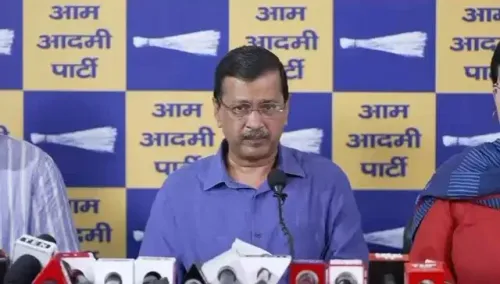
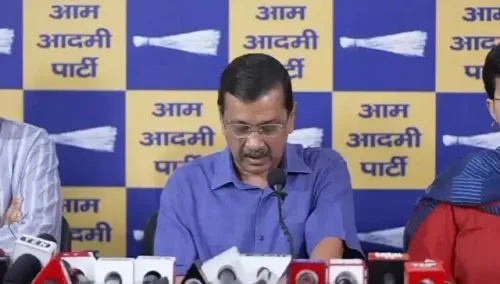
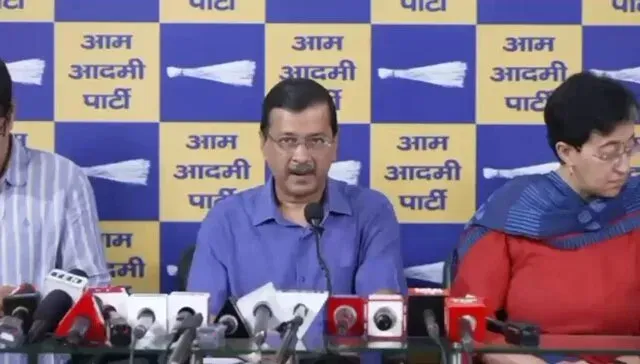
AAP convenor Arvind Kejriwal on Tuesday, 21 July 2026 launched a sharp attack on Prime Minister Narendra Modi, accusing him of orchestrating a brutal assault on children and comparing the alleged crackdown to the 1919 Jallianwala Bagh massacre. Kejriwal posted the remarks on X, saying the Prime Minister had surpassed even General Reginald Dyer in his treatment of the country's own children.
What Kejriwal Said
In his post, Kejriwal wrote in Hindi: 'मोदी जी ने जिस तरह से बच्चों पर बर्बरता पूर्ण हमला किया है वो बेहद शर्मनाक है' — 'The barbaric attack that Modi ji has carried out on children is extremely shameful.' He went further, stating that even the British had not attacked freedom fighters in the manner Modi had attacked the children of his own country. He concluded by alleging that Modi had 'left behind' what General Dyer did at Jallianwala Bagh.
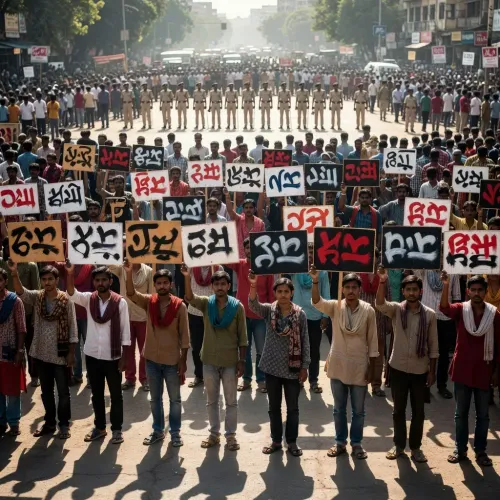
The post, which accompanied a video, did not specify the date, location or precise nature of the alleged incident. The specific event being referenced could not be independently verified at the time of publication.
Context: A Colonial-Era Benchmark in Indian Political Rhetoric
The Jallianwala Bagh massacre of 13 April 1919 in Amritsar remains one of the most viscerally charged episodes in Indian political memory. General Reginald Dyer ordered British troops to open fire on an unarmed civilian gathering, killing hundreds. The event is routinely invoked by Indian politicians across the spectrum to denote extreme state excess or institutional brutality.
Kejriwal's comparison places the alleged incident in the most severe possible moral category available in Indian political language — framing it not merely as a policy failure but as an act of violence against the nation's most vulnerable citizens.
Policy Backdrop: AAP-Centre Tensions Over Children and Education
Since 2015, the AAP-led Delhi government and the Union government have clashed repeatedly over jurisdiction in education, health and municipal services in the national capital. AAP has consistently positioned its school reform programme as its flagship achievement, making any perceived threat to children a particularly potent political trigger for the party.
Friction between the elected Delhi government and the Lieutenant Governor's office — which reports to the Union government — has produced periodic public confrontations over control of civil services and school administration. Kejriwal's statement fits a broader pattern of AAP using institutional disputes to frame the Centre as hostile to Delhi's residents, particularly its children.
Stakeholders and Impact
The statement directly concerns school students and families in Delhi, the constituency AAP has most consistently claimed to champion. If the alleged incident involves children in a government or public setting, it is likely to draw responses from civil society groups, child-rights bodies and opposition parties aligned with AAP at the national level.
The BJP and the Ministry of Education had not issued a formal response at the time of publication. Delhi Police, which reports to the Union Home Ministry rather than the Delhi government, may also face scrutiny depending on the nature of the underlying event.
What's Next
The severity of Kejriwal's language — invoking Jallianwala Bagh and directly naming the Prime Minister — signals that AAP intends to press this issue in the public domain. Any formal response from the Centre, a statement by the National Commission for Protection of Child Rights, or discussion in the Delhi Assembly or Parliament during its next session could sharpen the political confrontation. The post's accompanying video is likely to become central to how both sides frame the narrative in the coming days.
Point of View
Effectively framing the BJP-led Centre as an occupying force rather than an elected government. This fits a pattern in which AAP, operating from a position of limited formal power after losing the Delhi Chief Ministership, increasingly relies on high-decibel national messaging to maintain political relevance. Whether the underlying incident substantiates the severity of the language will determine how much traction the statement gains beyond AAP's existing base.
NationPress
21 Jul 2026
Frequently Asked Questions
What did Kejriwal say about Modi and children?
Kejriwal accused PM Modi of carrying out a barbaric attack on children, calling it extremely shameful and comparing it to the 1919 Jallianwala Bagh massacre, saying Modi had surpassed General Dyer in brutality against his own country's citizens.
What is the Jallianwala Bagh massacre?
The Jallianwala Bagh massacre took place on 13 April 1919 in Amritsar, when British General Reginald Dyer ordered troops to open fire on an unarmed civilian gathering, killing hundreds. It is one of the most cited episodes of colonial-era state violence in Indian political memory.
Why did Kejriwal compare Modi to General Dyer?
Kejriwal used the Jallianwala Bagh comparison to frame an alleged attack on children as the most extreme form of state brutality possible in Indian political language, arguing that the Prime Minister had acted more harshly against his own citizens than a colonial-era British officer did.
What is the AAP-BJP dispute over children and education in Delhi?
Since 2015, AAP and the Union government have clashed over jurisdiction in education, health and municipal services in Delhi. AAP has made school reform its flagship policy, making any perceived threat to children a central political issue for the party.
Has the BJP or the central government responded to Kejriwal's post?
No formal response from the BJP, the Ministry of Education or Delhi Police had been issued at the time of publication on 21 July 2026.