Kejriwal Warns Modi: 'This Country Is Not Your Father's'
Synopsis
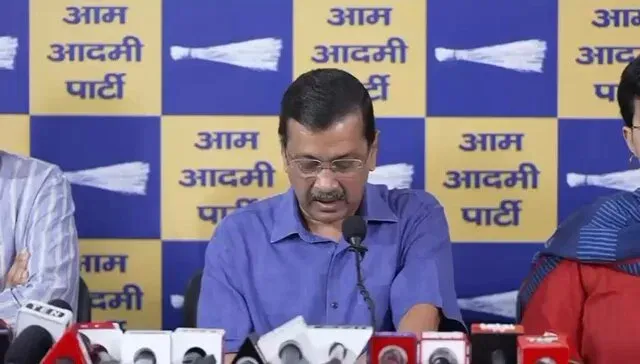
AAP convenor Arvind Kejriwal on 21 July 2026 posted a sharp warning to PM Narendra Modi, saying 'this country does not belong to your father' and cautioning that history would record the fate of a dictator. The post escalates long-running AAP-BJP tensions over power and democratic norms.
Key Takeaways
Arvind Kejriwal posted a direct warning to PM Narendra Modi on 21 July 2026 on X.
He accused Modi of issuing threats and called him a 'tanashahi' (dictator) in Hindi.
The post did not specify which threats it was responding to.
AAP and the BJP -led Centre have been in sustained conflict over Delhi 's constitutional powers since 2015 .
Kejriwal framed the warning as coming from 'the people of this country', not just his party.
BJP responses and follow-up statements from other opposition parties are expected in the coming days.
AAP convenor Arvind Kejriwal launched a sharp attack on Prime Minister Narendra Modi on Tuesday, 21 July 2026, accusing him of issuing threats and warning that history would judge a 'dictator' harshly. The post, shared on X, drew on some of the most combative language Kejriwal has directed at the Prime Minister to date.
What Kejriwal Said
In the Hindi-language post, Kejriwal wrote: 'Modi ji, ye desh aapke pita ji ka nahin hai. Dhamkiyan dena band karo, nahin to desh ke log aisa sabak sikhaenge ki itihas yaad rakhega ki ek tanashahi ka kaisa haal hua tha.' Translated, this reads: 'Modi ji, this country does not belong to your father. Stop issuing threats, otherwise the people of this country will teach such a lesson that history will remember what became of a dictator.'
The post did not specify which threats it was referring to. Kejriwal framed his message as a warning from the Indian public at large, rather than from his party alone.
Context
AAP and the Bharatiya Janata Party-led central government have been in sustained conflict since AAP first came to power in Delhi in 2015. Disputes over the constitutional division of powers between the Delhi government and the Centre have repeatedly spilled into public confrontation. Kejriwal and other AAP leaders have long accused the central government of weaponising investigative agencies against opposition figures, a charge the BJP has consistently denied.
Kejriwal himself was arrested in 2024 in connection with an excise policy case and later granted bail. That episode sharpened the party's rhetoric around what it described as political persecution by the Centre.
Policy Backdrop
The broader pattern of opposition parties accusing the Modi government of authoritarian tendencies has intensified across election cycles and high-profile legal proceedings involving opposition leaders. Terms such as 'tanashahi' (dictatorship) and 'tughlaqi farman' (arbitrary decree) have become recurring markers in Indian opposition discourse since 2014.
Indian democratic debate has long grappled with the tension between strong executive authority at the Centre and the federal autonomy of states. AAP, which governs in Delhi and Punjab, has positioned itself as a frontline defender of that federal balance.
Stakeholders and Impact
The post is directed at Delhi residents, AAP's core base, and the broader national opposition audience. Language of this intensity typically signals that AAP is preparing for a fresh mobilisation, whether electoral or street-level. Other opposition parties that have similarly accused the government of overreach are likely to watch the BJP's response closely.
For ordinary citizens, the exchange underscores the deepening polarisation between the ruling dispensation and a vocal segment of the opposition, a dynamic that shapes both legislative discourse and public sentiment ahead of any forthcoming electoral contest.
What's Next
Senior BJP leaders are expected to respond in the coming hours or days, likely framing Kejriwal's remarks as irresponsible or politically motivated. Other opposition parties may echo or amplify the statement depending on the political moment. Whether Kejriwal follows up with a press conference or further posts elaborating on the specific 'threats' he referenced will determine how much traction this exchange gains in the national conversation.
Point of View
Rather than the government or the BJP as an institution, Kejriwal is sharpening a personality-versus-personality frame that AAP has found electorally useful. The timing, absent a clearly identified triggering event, suggests the party may be laying groundwork for a campaign rather than reacting to a single incident. The BJP's response will reveal whether it chooses to engage on the same emotional terrain or attempt to reframe the exchange on governance grounds.
NationPress
21 Jul 2026
Frequently Asked Questions
What did Arvind Kejriwal say about Modi on 21 July 2026?
Kejriwal posted on X that 'this country does not belong to your father', accused Modi of issuing threats, and warned that history would record what becomes of a dictator.
Why is Kejriwal calling Modi a dictator?
Kejriwal used the Hindi word 'tanashahi' (dictator) as part of a long-running AAP accusation that the Modi-led central government has centralised power, used investigative agencies against opposition leaders, and undermined federal autonomy, particularly in Delhi.
What threats is Kejriwal referring to in his post?
The post did not specify which threats it was responding to. The research background does not identify a verified triggering event for this specific post dated July 2026.
What is the history of conflict between AAP and the BJP central government?
Since AAP came to power in Delhi in 2015, the two parties have clashed repeatedly over constitutional powers, investigative agency actions, and governance decisions. Kejriwal was arrested in 2024 in an excise policy case, further intensifying the conflict.
What happens next after Kejriwal's post against Modi?
Senior BJP leaders are expected to respond, and other opposition parties may amplify the statement. Whether Kejriwal follows up with press conferences or further posts will shape how the exchange develops nationally.