DST Secretary: Industry-academia collaboration key to India's physical AI and robotics push
Synopsis
At ESTIC 2026 in New Delhi, the DST Secretary and a NITI Aayog member sounded an urgent call: India must fuse its software strengths with hardware-embedded intelligence to compete in Physical AI. With Phase I of the National Mission on Cyber-Physical Systems ending in December 2027, the push for a dedicated Physical AI Mission in Phase II could define India's autonomous systems ambitions for the rest of the decade.
Key Takeaways
Waghmare addressed ESTIC 2026 in New Delhi on 29 October 2026 , calling industry-academia collaboration critical to India's Physical AI , robotics and autonomous systems goals.
Technology innovation hubs have been established at 25 leading academic institutions under the National Mission on Interdisciplinary Cyber-Physical Systems .
Phase I of the mission is scheduled to conclude in December 2027 ; ESTIC feedback will inform Phase II planning.
NITI Aayog Member Prof.
Abhay Karandikar described Physical AI as a systems engineering challenge , not merely an AI one, stressing safety and reliability as core requirements.
Karandikar proposed the next mission phase could launch a dedicated Physical AI Mission building on existing cyber-physical systems capabilities.
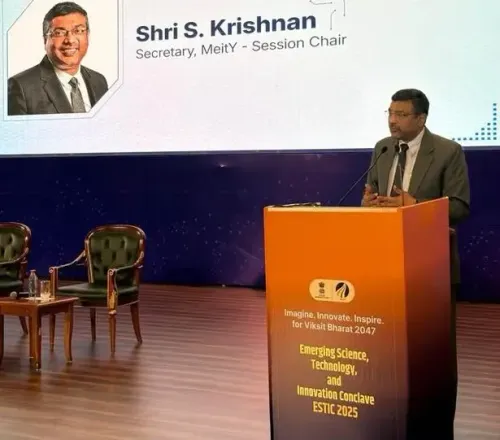
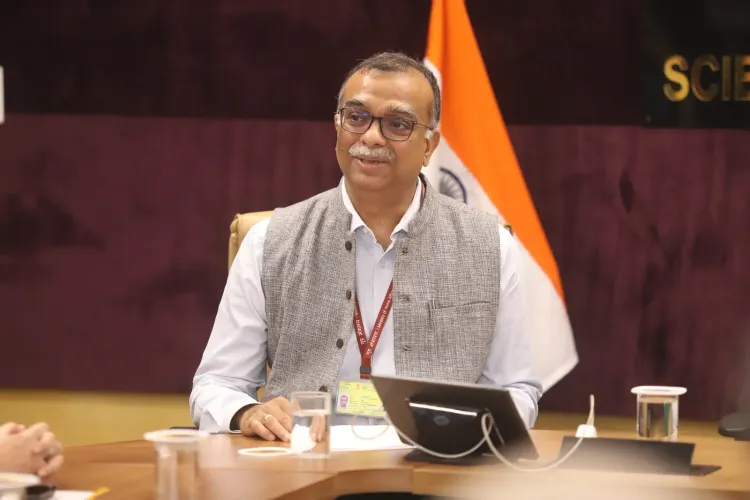
Department of Science and Technology (DST) Secretary Prof. Umesh V. Waghmare on Thursday, 29 October 2026, said that collaboration among industry, academia, researchers, start-ups and technology users will be critical to advancing India's autonomous systems, Physical Artificial Intelligence (AI) and robotics. He was speaking at the Emerging Science, Technology and Innovation Conclave (ESTIC) 2026 in New Delhi.
Waghmare underlined that such collaboration is also essential to translate scientific research into solutions with real societal impact — a goal that, he argued, cannot be achieved in silos.
DST's National Mission on Cyber-Physical Systems
Waghmare highlighted the DST's National Mission on Interdisciplinary Cyber-Physical Systems, noting that technology innovation hubs have been established at 25 leading academic institutions to foster interaction among academia, industry and start-ups and to facilitate the commercialisation of research. He noted that Phase I of the mission is scheduled to conclude in December 2027, and said that discussions and feedback from ESTIC participants would help inform plans for the mission's second phase.
Physical AI Is a Systems Engineering Challenge, Says NITI Aayog
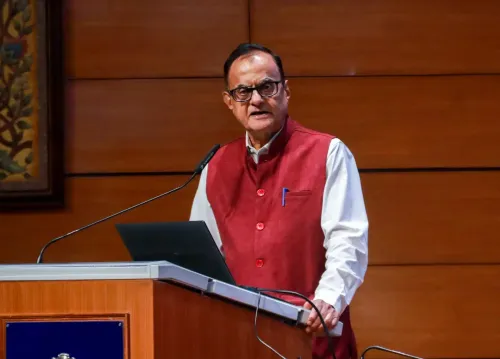
NITI Aayog Member Prof. Abhay Karandikar told the conclave that Physical AI is not merely an artificial intelligence challenge — it is fundamentally a systems engineering challenge. He stressed that the successful functioning of intelligent physical systems depends on several interconnected components, including reliable sensors, efficient actuators, real-time computing, robust control algorithms, low-latency communication and energy-efficient hardware.
Prof. Karandikar drew a sharp distinction between Physical AI and conversational AI tools: errors involving robots operating in factories or autonomous vehicles can have immediate physical consequences. He argued that reliability, verification, safety, security and trustworthiness must therefore remain central to research and development in this field.
India's Strategic Opportunity in Autonomous Systems
Prof. Karandikar pointed to India's existing strengths — in systems engineering, electronics, manufacturing, embedded systems, design, telecommunications and software — as a foundation on which the country can build competitive autonomous systems. Integrating advanced intelligence and algorithms into these capabilities, he said, could enable the development of more reliable, safe and trustworthy autonomous technologies in robotics, autonomous vehicles and other cyber-physical systems.
He also suggested that the next phase of the National Mission on Interdisciplinary Cyber-Physical Systems could serve as a vehicle for a dedicated Physical AI Mission, building directly on the capabilities developed under the existing mission.
What ESTIC 2026 Debated
Eminent experts at the conclave examined how Autonomous Systems, Physical AI and Robotics would reshape scientific research and technological innovation in the near future. This comes amid a global race to operationalise physical AI — systems that perceive, decide and act in the real world — with major programmes under way in the United States, China and the European Union. India's conclave signals a growing institutional awareness that the country must move beyond software-led AI strengths into hardware-embedded intelligence.
As Phase I of the cyber-physical systems mission nears its close, the direction of Phase II — and whether a standalone Physical AI Mission takes shape — is likely to define India's autonomous systems trajectory through the end of the decade.
Point of View
But Physical AI — where machines act in the real world with immediate consequences — demands a different stack: sensors, actuators, embedded computing, and fail-safe control. The fact that both a DST Secretary and a NITI Aayog member are now publicly framing this as a systems engineering challenge, not just a coding one, suggests a meaningful shift in policy thinking. The real test will be whether Phase II of the cyber-physical systems mission produces a funded, time-bound Physical AI mandate — or whether it remains a conclave recommendation. With the US, China and the EU already deep in deployment, India's window to build sovereign capability in autonomous systems is narrowing faster than most policy timelines acknowledge.
NationPress
29 Oct 2026
Frequently Asked Questions
What is Physical AI and why is India focused on it?
Physical AI refers to artificial intelligence embedded in systems that perceive, decide and act in the real world — such as robots, autonomous vehicles and industrial machines. Unlike conversational AI, errors in physical AI can have immediate, tangible consequences, making safety and reliability central concerns. India is focusing on it to leverage existing strengths in systems engineering, electronics and software for next-generation autonomous technologies.
What is the DST's National Mission on Interdisciplinary Cyber-Physical Systems?
It is a government-led mission that has established technology innovation hubs at 25 leading academic institutions to promote collaboration among academia, industry and start-ups and to commercialise research in cyber-physical systems. Phase I of the mission is scheduled to conclude in December 2027, after which a second phase is being planned.
What did NITI Aayog's Prof. Abhay Karandikar say at ESTIC 2026?
Prof. Karandikar said Physical AI is a systems engineering challenge as much as an AI one, requiring reliable sensors, efficient actuators, real-time computing, robust control algorithms, low-latency communication and energy-efficient hardware. He also proposed that Phase II of the National Mission could include a dedicated Physical AI Mission.
Who spoke at ESTIC 2026 and what was the event about?
The Emerging Science, Technology and Innovation Conclave (ESTIC) 2026 was held in New Delhi and featured DST Secretary Prof. Umesh V. Waghmare and NITI Aayog Member Prof. Abhay Karandikar, among other eminent experts. The event examined how Autonomous Systems, Physical AI and Robotics will reshape scientific research and technological innovation in the near future.
How does India plan to build its autonomous systems capability?
According to speakers at ESTIC 2026, India plans to build on existing strengths in systems engineering, electronics, manufacturing, embedded systems, telecommunications and software by integrating advanced intelligence and algorithms into these areas. The government's 25 technology innovation hubs are designed to accelerate industry-academia collaboration and translate research into deployable technologies.