ESTIC 2026: Modi's science vision drawing global attention, say experts and startup founders
Synopsis
At ESTIC 2026 in New Delhi, scientists from ICAR, RGCB, and NIBMG, alongside space-tech startup founders, described PM Modi's address as a catalyst for India's science ecosystem — a rare instance of direct engagement between the Prime Minister and the research-innovation community, with Viksit Bharat ambitions squarely in focus.
Key Takeaways
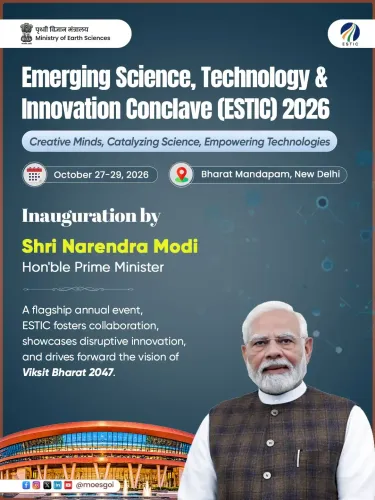
ESTIC 2026 was held in New Delhi on 27 October 2026 , with PM Narendra Modi delivering the inaugural address.
Space-tech startup Orbitt Space co-founder Christopher Parmar said his team briefed Modi directly on the company's vision at the event.
Researchers from RGCB Thiruvananthapuram , NIBMG , and ICAR described government science support as creating a positive environment for advancement.
Vikram Singh of ICAR said scientists are working to fulfil rising domestic and international expectations from India on the global science stage.
The conclave is part of a broader policy effort to link government, academia, and industry under the Viksit Bharat and Atmanirbhar Bharat frameworks.
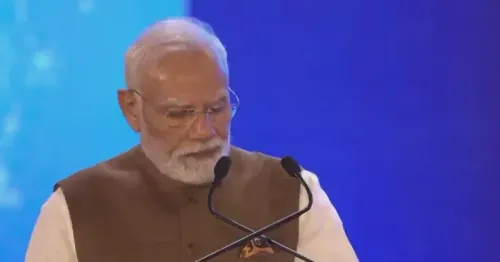
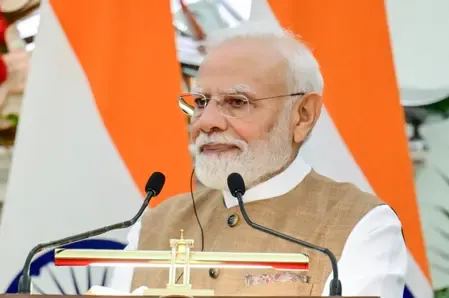
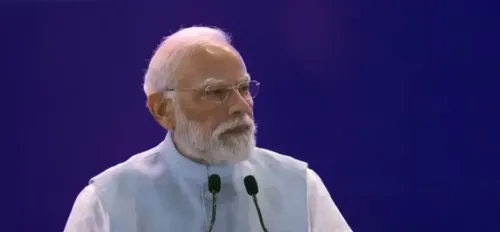
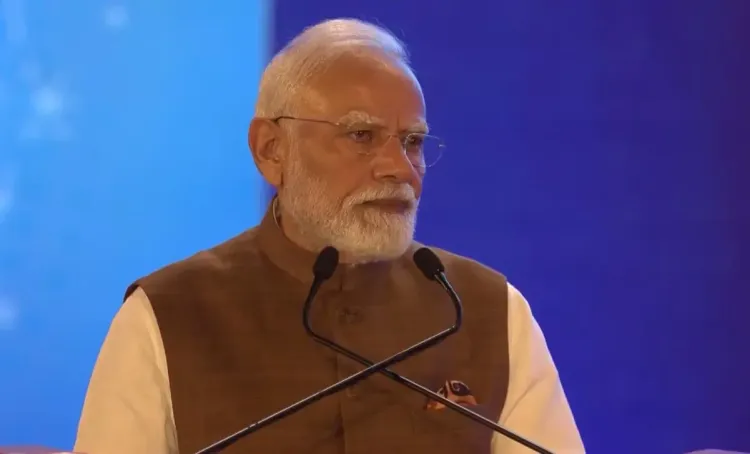
Scientists, researchers, and startup founders gathered at ESTIC 2026 in New Delhi on Tuesday, 27 October 2026 lauded Prime Minister Narendra Modi's emphasis on science and technology, calling his inaugural address at the conclave a rallying point for India's ambitions of becoming a developed, self-reliant nation under the Viksit Bharat and Atmanirbhar Bharat frameworks.
Startup Founders and Innovators Respond
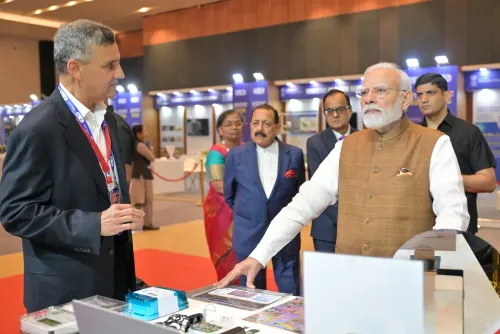
Christopher Parmar, CEO and Co-Founder of space-tech startup Orbitt Space, said ESTIC 2026 offered innovators and entrepreneurs a rare opportunity to engage directly with the Prime Minister and present their work. Parmar noted that his company was able to brief Modi on its activities and long-term vision — an interaction he described as significant for the startup ecosystem.
Gaurav Shriram Patil, a PhD research scholar at the H.R. Patel Institute of Pharmaceutical Education and Research, called participation in the conclave a valuable opportunity. He credited the leadership of Prime Minister Modi and Union Minister of State for Science and Technology Dr. Jitendra Singh for building platforms that connect researchers from across India.
Research Community Sees Momentum
Singhan Ganguly, an independent researcher, AI specialist, data scientist, and software engineer, described the Prime Minister's speech as highly motivational, saying Modi's consistent push for research and innovation has encouraged broader participation in scientific fields. Shovik Mukherjee, a scientist at the National Institute of Biomedical Genomics (NIBMG), said the inaugural address highlighted India's measurable progress toward the goals of Viksit Bharat and Atmanirbhar Bharat.
Dr. Karthik Subramanian from the Rajiv Gandhi Centre for Biotechnology (RGCB), Thiruvananthapuram, said government support for science and technology has created a positive environment for scientific advancement, adding that the research community has found the policy direction encouraging.
Agricultural and Global Science Outlook
Dr. Vikram Singh of the Indian Council of Agricultural Research (ICAR) said India is emerging as a significant global player in science, with rising expectations from both domestic and international audiences. 'India is emerging on the global stage, and people both within India and in other countries have high expectations from our nation. To fulfil these expectations, all scientists are striving to follow the path and vision laid out by our Prime Minister and take forward his efforts,' Singh said.
What ESTIC 2026 Represents
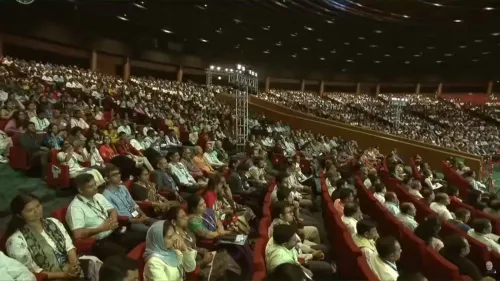
ESTIC 2026 — the event's full name was not specified in available reports — serves as a platform for cross-disciplinary exchange between government, academia, and industry. The conclave brought together senior scientists, doctoral researchers, and technology entrepreneurs under a shared agenda of accelerating India's scientific output. This comes amid a broader policy push under which government funding for R&D and startup-enabling schemes has expanded over recent years.
With global competition in deep-tech, biotechnology, and space intensifying, the government's effort to institutionalise dialogue between policymakers and the innovation community through events like ESTIC signals a longer-term commitment — though translating that momentum into measurable research output and commercialisation remains the central challenge ahead.
Point of View
Startups pitching to policymakers — but the harder question is whether these conclaves translate into sustained R&D investment and commercialisation pipelines. India's gross expenditure on R&D as a share of GDP has lagged peer economies for years, and inspirational addresses, however well received, cannot substitute for structural funding commitments. The diversity of voices at ESTIC — from space-tech to agricultural science to biomedical genomics — reflects genuine breadth in India's research base, but breadth without depth of funding risks remaining a showcase rather than a springboard.
NationPress
27 Oct 2026
Frequently Asked Questions
What did PM Modi say at ESTIC 2026?
Full details of PM Modi's address were not available in reports from the event, but attendees described it as highly motivational and aligned with India's aspirations of becoming a developed, self-reliant nation. Scientist Shovik Mukherjee of NIBMG said the speech highlighted India's progress toward Viksit Bharat and Atmanirbhar Bharat goals.
Who attended ESTIC 2026 and which institutions were represented?
Attendees included scientists from the Rajiv Gandhi Centre for Biotechnology (RGCB) in Thiruvananthapuram, the National Institute of Biomedical Genomics (NIBMG), and the Indian Council of Agricultural Research (ICAR), alongside startup founders such as Orbitt Space co-founder Christopher Parmar and PhD researchers from pharmaceutical institutes.
Why does the ESTIC 2026 conclave matter for India's science ecosystem?
The conclave represents a structured effort to bridge government, academia, and industry, enabling direct dialogue between the Prime Minister and the research community. Experts say such platforms help align scientific priorities with national development goals, though critics note that sustained R&D funding commitments are ultimately more consequential than high-profile events.
What is Viksit Bharat and how does it relate to science policy?
Viksit Bharat, or 'Developed India,' is the government's overarching vision for India to reach developed-nation status by 2047. Science, technology, and innovation are central pillars of this goal, with Atmanirbhar Bharat — or 'Self-Reliant India' — forming the complementary framework for reducing import dependence through domestic research and manufacturing.