PM Modi: Viksit Bharat Will Rise on Science and Innovation
Synopsis
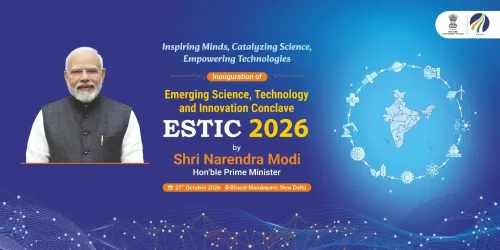
Prime Minister Narendra Modi addressed the Emerging Science, Technology and Innovation Conclave in New Delhi on 27 October 2026, declaring that Viksit Bharat will be built on the foundations of scientific research, discovery, and innovation — linking STI directly to India's 2047 development ambitions.
Key Takeaways
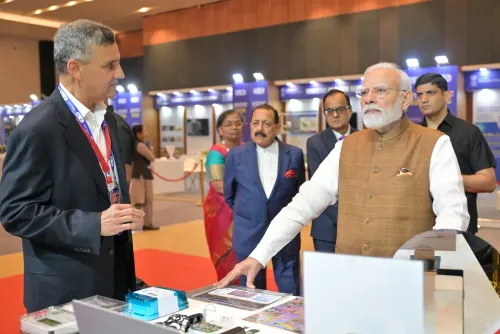
Prime Minister Narendra Modi spoke at the Emerging Science, Technology and Innovation Conclave in New Delhi on 27 October 2026 .
He stated that Viksit Bharat — India's vision for developed-nation status by 2047 — will rest on scientific research, discoveries, and innovation.
India's Science, Technology and Innovation Policy (2020) targets higher R&D intensity and global competitiveness as structural underpinnings of this vision.
The Atal Innovation Mission (2016) has been a key grassroots instrument, funding tinkering labs and startup incubators nationwide.
Science and self-reliance have been deliberately fused across Atmanirbhar Bharat and Digital India programmes under successive Modi governments.
Watch for follow-up funding commitments in the next Union Budget or new directives from the Science Ministry as the real test of today's declaration.
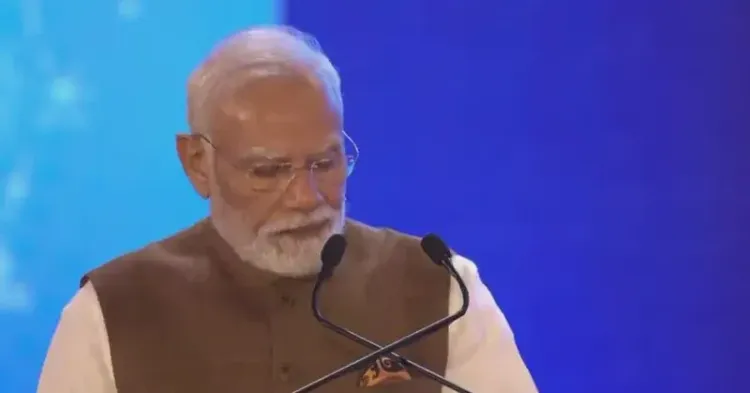
India's road to 2047 runs through the laboratory. Addressing the Emerging Science, Technology and Innovation Conclave in New Delhi on Tuesday, 27 October 2026, Prime Minister Narendra Modi declared that a developed India — Viksit Bharat — will be built on the twin pillars of rigorous scientific research and an unrelenting spirit of innovation.
The Viksit Bharat roadmap and what STI has to do with it
The Viksit Bharat vision commits India to achieving developed-nation status by 2047, the centenary of independence, through simultaneous advances in economic output, technology depth, and social indicators. Modi's framing at the conclave was deliberate: science is not a supporting actor in that story — it is the foundation. 'A Viksit Bharat will be built on strong foundations of scientific research, discoveries and the spirit of innovation,' he said.
That framing carries real policy weight. India's updated Science, Technology and Innovation Policy, released in 2020, set targets to raise the country's research-and-development intensity and sharpen its global competitiveness. The Atal Innovation Mission, launched in 2016, pushed the same agenda down to grassroots level — funding school-based tinkering labs and startup incubators across states. The conclave in New Delhi is the latest convening point for that longer conversation.
Science at the centre of Atmanirbhar Bharat
Successive Modi governments have made science and self-reliance inseparable in their public messaging. Atmanirbhar Bharat and Digital India — the flagship economic and technology programmes of the last decade — both rest on the premise that India must generate its own intellectual property, not merely consume technology built elsewhere. The conclave format — bringing researchers, scientists, and tech startups into the same room as policymakers — is a structural expression of that bet.
Stakeholders watching the event most closely are India's research community and its fast-growing startup ecosystem, both of which depend heavily on how government translates policy intent into funded programmes. The real test of today's rhetoric will come at the next Union Budget or in fresh directives from the Science Ministry — whether new research missions receive committed capital, or whether the vision stays at the level of aspiration.
Why the timing matters
With 2047 now just over two decades away, the pace of institution-building in science and technology is no longer a slow-burn concern — it is an urgent arithmetic problem. Breakthroughs in semiconductors, space, quantum computing, and biotech demand decade-long investment cycles. A conclave today that shapes the next budget or research agenda has a direct line to whether India meets that 2047 benchmark or misses it. Modi's appearance and address signal that the political leadership regards this as a priority worth visibility, not just bureaucratic management.
Point of View
Which matters for investor and talent confidence. The sharper question analysts will ask is whether conclave rhetoric converts into budget allocations: India's R&D spending as a share of GDP has historically lagged peer economies, and closing that gap requires fiscal commitment, not just oratory. If the next budget follows through, this conclave will look like a policy inflection point; if it does not, it will be remembered as another well-attended conversation.
NationPress
27 Oct 2026
Frequently Asked Questions
What is Viksit Bharat and when is its target year?
Viksit Bharat is India's government vision to achieve developed-nation status by 2047 , the centenary of independence, through integrated progress in economic output, technology, and social development.
What did PM Modi say at the Science and Innovation Conclave on 27 October 2026?
Prime Minister Narendra Modi said that 'a Viksit Bharat will be built on strong foundations of scientific research, discoveries and the spirit of innovation,' addressing the Emerging Science, Technology and Innovation Conclave in New Delhi .
What is India's Science, Technology and Innovation Policy?
India released an updated Science, Technology and Innovation Policy in 2020 aimed at increasing the country's R&D intensity and making it more globally competitive in research and emerging technologies.
What is the Atal Innovation Mission?
The Atal Innovation Mission , launched in 2016 , promotes grassroots innovation and entrepreneurship in India by funding school tinkering labs, startup incubators, and innovation centres across the country.
How does science and technology fit into Atmanirbhar Bharat?
The Atmanirbhar Bharat programme frames self-reliance as inseparable from domestic technology capability — the goal is for India to generate its own intellectual property in strategic sectors rather than depend on imported technology.