India-US trade deal protects farmers, gives India comparative edge: Piyush Goyal
Synopsis
Commerce Minister Piyush Goyal has given the clearest official signal yet that the India-US trade deal will not sacrifice farmers or sensitive sectors — and that India's negotiating hand is backed by $60 trillion in preferential market access unlocked since 2014. The remarks, ahead of any formal deal announcement, are as much a political reassurance as a trade-policy statement.
Key Takeaways
Commerce Minister Piyush Goyal assured on 29 October 2026 that the India-US trade deal will protect farmers and sensitive stakeholders.
India's trade agreements now cover 38 developed countries with a combined GDP of $60 trillion , up from $10 trillion before 2014 .
Nine free trade and bilateral agreements have been concluded by the current government, opening preferential market access.
Agreements cover services, investments, education, skill development, technology, and climate cooperation — not just tariffs.
Goyal called for coordinated government-industry-academia effort to achieve Viksit Bharat 2047 goals.
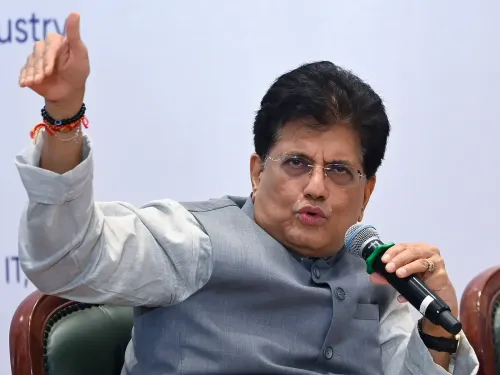
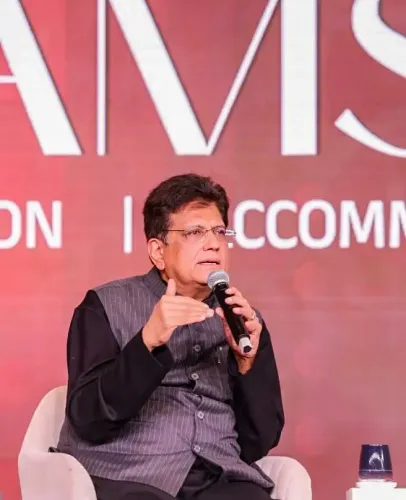
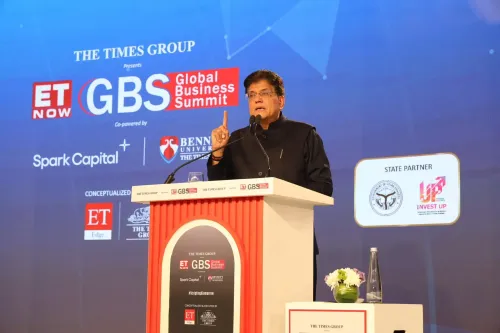
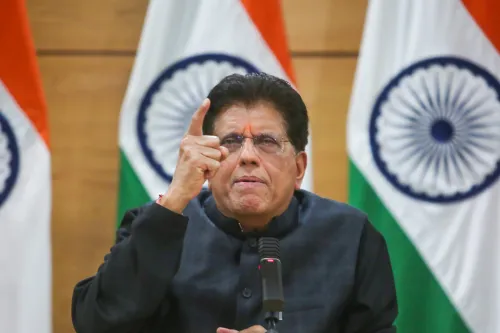
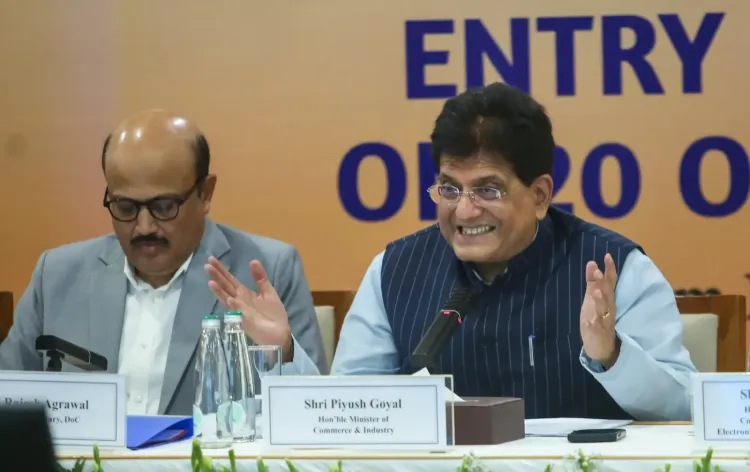
Commerce and Industry Minister Piyush Goyal on Thursday, 29 October 2026, assured that the ongoing India-US trade deal negotiations will not compromise the sensitive interests of farmers and other stakeholders, and that India will be positioned at a strong comparative advantage once the details are made public. Goyal made the remarks at the Fourth National Conference on India's Industrial Transformation in New Delhi, organised by the Institute for Studies in Industrial Development (ISID) and the Industrial Development Research Association (IDRA).
What Goyal Said on Trade Strategy
Goyal underlined that trade is fundamentally about comparative advantage and competitiveness, not absolute numbers. He observed that many developed countries have structured their tariff schedules to impose high duties on labour-intensive goods, using them as negotiating instruments — a practice he suggested India's negotiators are fully alive to.
On India's broader trade policy, the Minister said the country's agreements go well beyond tariff reduction or market access. According to an official statement, he noted: 'They were comprehensive partnerships that considered India's competitive strengths, identified opportunities for exports, protected sensitive sectors and facilitated access to high-technology products, graphics processing units (GPUs), memory technology, medical technology and other goods required for India's development.'
Scope of India's Trade Agreements
Goyal said India's current trade agreements cover 38 developed and relatively prosperous countries, creating complementary trade opportunities for both sides — with India exporting products they need and importing goods required for its own development. He noted that the nine free trade and bilateral trade agreements concluded by the present government have opened preferential market access in economies with a combined GDP of $60 trillion, compared with just $10 trillion covered by agreements concluded before 2014.
He drew a sharp contrast between the earlier approach — largely agreements with countries competing with India — and the current strategy of fostering complementary economic relationships. India's negotiations also encompass services, investments, education, skill development, technology partnerships, and cooperation on climate goals and nationally determined contributions, Goyal added.
Stakeholder Protections and Defensive Interests
The Minister emphasised that comprehensive agreements are being finalised only after extensive stakeholder consultations, ensuring India's sensitivities and defensive interests are protected. This is particularly significant in the context of the India-US trade deal, where agricultural market access has historically been a flashpoint in bilateral negotiations.
Notably, India's farm sector — employing an estimated 42–45% of the workforce — has been a recurring red line in past trade talks, including discussions under the World Trade Organization and the earlier US-India Trade Policy Forum. Goyal's remarks appear designed to pre-empt domestic concerns ahead of any formal announcement.
Industrial Transformation and Viksit Bharat 2047
Goyal also called on government, industry, and academia to collaborate more closely to drive India's industrial transformation through quality, economies of scale, global market access, and inclusivity. He urged India to aspire to become a globally recognised manufacturing nation and achieve the Viksit Bharat 2047 goal through coordinated national effort across all four pillars — government, industry, academia, and research institutions.
As the India-US trade deal negotiations continue, the government's next move will be closely watched by agricultural bodies, exporters, and technology sector stakeholders who have flagged both opportunities and risks.
Point of View
But the more critical question is how much of that access is being actively utilised by Indian exporters versus remaining theoretical. India's goods export share in global trade has barely moved in a decade despite multiple agreements. The real test of any India-US deal will be whether it delivers enforceable gains in labour-intensive sectors — textiles, leather, gems — without conceding ground on food security or pharmaceutical pricing.
NationPress
29 Oct 2026
Frequently Asked Questions
What did Piyush Goyal say about the India-US trade deal and farmers?
Commerce Minister Piyush Goyal said that once the details of India-US trade deal negotiations are released, people will see that the sensitive interests of farmers and other stakeholders have not been compromised. He added that India will be placed at a strong comparative advantage under the deal.
How much market access have India's trade agreements unlocked since 2014?
Nine free trade and bilateral trade agreements concluded since 2014 have opened preferential market access in economies with a combined GDP of $60 trillion, compared with $10 trillion covered by agreements concluded before 2014.
What sectors does India's trade deal framework cover beyond tariffs?
India's trade agreements encompass services, investments, education, skill development, technology partnerships, and cooperation on climate goals and nationally determined contributions, in addition to goods tariffs and market access.
Why is the India-US trade deal sensitive for farmers?
Agriculture has historically been a flashpoint in India-US trade talks, with domestic farming groups concerned about cheap American agricultural imports undercutting Indian producers. The farm sector employs an estimated 42-45% of India's workforce, making it a politically significant defensive interest in any trade negotiation.
What is India's Viksit Bharat 2047 goal in the context of trade?
Viksit Bharat 2047 is India's vision to become a developed nation by its centenary of independence. Goyal linked this goal to industrial transformation driven by quality, economies of scale, global market access, and coordinated action between government, industry, academia, and research institutions.