Will India’s Trade Deal with the US Sacrifice Agricultural Interests?
Synopsis
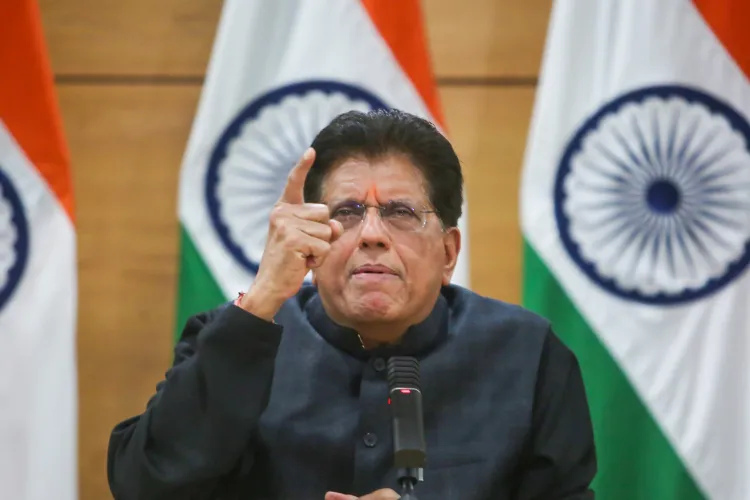
India's Commerce Minister Piyush Goyal reassures that the new trade deal with the US will protect the nation's agricultural and dairy sectors, despite opposition concerns. The agreement promises to unlock significant opportunities for Indian farmers and businesses while maintaining essential safeguards. This strategic partnership could reshape economic ties between the two nations.
Key Takeaways
India’s agriculture and dairy sectors will be protected .
Significant opportunities for farmers and MSMEs .
Pending details on tariff reductions .
Positive market sentiment following announcements .
Negotiations are ongoing .
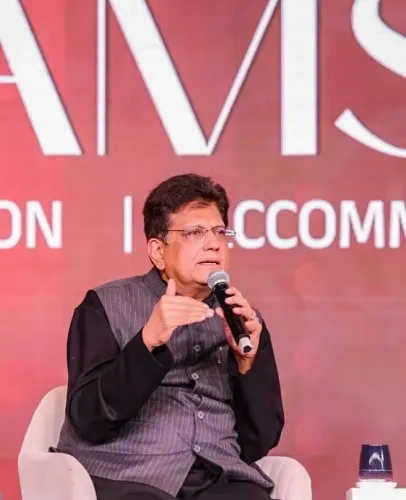
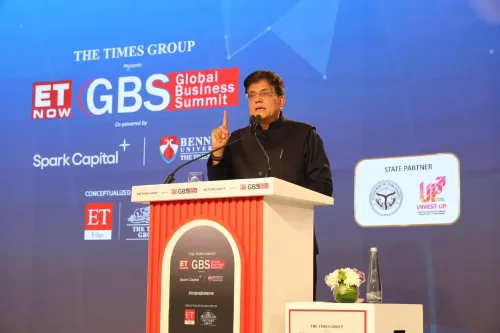
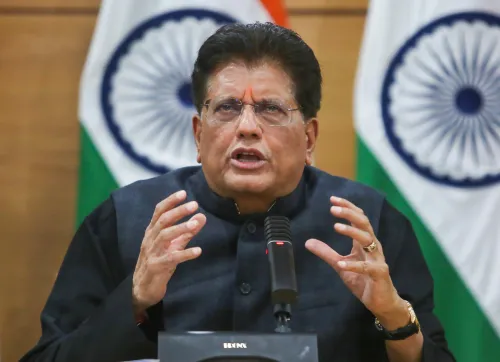
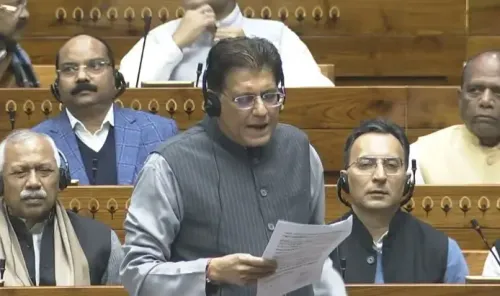
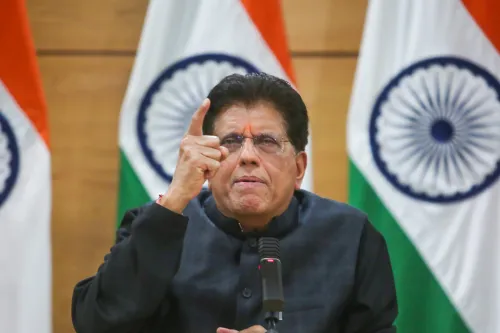
New Delhi, Feb 3 (NationPress) India's trade agreement with the United States will not jeopardize the nation's agriculture and dairy sectors, according to Commerce and Industry Minister Piyush Goyal, who responded to significant opposition criticism on Tuesday.
Suggesting that the opposition parties are expressing concerns prematurely, Goyal noted that while the formalities have been completed, the trade deal has not yet been finalized.
While Washington will gain market access to India, New Delhi will also benefit from access to the US market, although specific details remain undisclosed.
Experts assert that a well-implemented agreement with such a vast market could significantly enhance India's exports, expand market access, and highlight the strategic importance of ongoing collaboration between two of the world's largest democracies, as noted by industry leaders.
The tariffs previously imposed had negatively impacted India’s exports to the US, with exports dropping from $6.86 billion in August to $6.30 billion in October, while imports rose from $3.60 billion to $4.84 billion during the same period.
According to experts, various aspects of the deal remain unspecified.
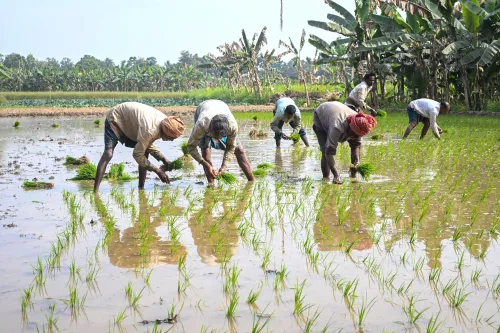
Minister Goyal has confirmed that no American agricultural or dairy products will gain market access in India, emphasizing that New Delhi will protect millions of its small farmers and cooperatives from low-cost imports.
Instead, he stated, "this agreement opens up unmatched opportunities for farmers, MSMEs, entrepreneurs, and skilled workers to Make in India for the world, Design in India for the world, and Innovate in India for the world."
While US President Donald Trump mentioned that India has agreed to reduce its tariffs and non-tariff barriers on US goods to nearly zero, he did not clarify which sectors would be included in this reduction.
Minister Goyal indicated that negotiation teams are still actively discussing the terms.
On the other hand, a faction of farmer organizations strongly opposes the India-US trade deal, labeling it as "total capitulation in the face of Trump’s threats" and a surrender of India’s national interests.
Meanwhile, a statement from the Left-leaning All India Kisan Sabha expressed: "Even as we await official communication regarding specifics, including the timeline for new tariffs, the reduction of trade barriers, and the US products India has committed to purchasing…" expressing their skepticism.
This statement emerged simultaneously with Goyal's assertion that the deal protects sensitive sectors while providing vast prospects for exporters, farmers, fishermen, and the youth.
Although the stock market and currency are not the only indicators of a trade deal's success, they do reflect general sentiment.
By Tuesday afternoon, Indian markets rallied, and the rupee strengthened following President Trump’s announcement of the India-US trade deal.
The Sensex surged over 2,000 points, the Nifty increased by 639 points, and analysts noted that the rupee's rise indicated renewed foreign investor confidence. Trump's social media post about reducing tariffs from 50% to 18% alleviated a long-standing concern among investors.
Two major industry organizations also welcomed the news.
Confederation of Indian Industry (CII) President Rajiv Memani stated: "The anticipated decrease of US-India tariffs to 18% signifies a substantial advancement in the strategic economic partnership between India and the US."
According to Federation of Indian Chambers of Commerce and Industry (FICCI) President Anant Goenka, reducing reciprocal tariffs on Indian goods "will significantly enhance the competitiveness of Indian exports in the world's largest import market."
Point of View
It's imperative to acknowledge the complexities surrounding the India-US trade deal. While there are valid concerns regarding agricultural and dairy interests, the potential benefits for India in terms of increased exports and market access cannot be overlooked. It's essential to strike a balance between protecting local interests and embracing opportunities that can drive economic growth.
NationPress
25 Sept 2026
Frequently Asked Questions
Will the trade deal affect local farmers?
Commerce Minister Piyush Goyal assures that the deal will not compromise the interests of local farmers and will safeguard them from cheap imports.
What are the expected benefits of the trade deal?
The trade agreement is anticipated to enhance India's exports, broaden market access, and provide significant opportunities for farmers, MSMEs, and entrepreneurs.
Is there any risk involved in this trade deal?
While there are concerns from opposition parties, the government emphasizes that the deal includes protections for sensitive sectors.
How will this deal impact the stock market?
The announcement of the trade deal has already positively impacted Indian markets, reflecting increased investor confidence.
What is the current status of the trade negotiations?
Negotiation teams are still in discussions to finalize the details of the trade agreement, and no formal agreement has been signed yet.