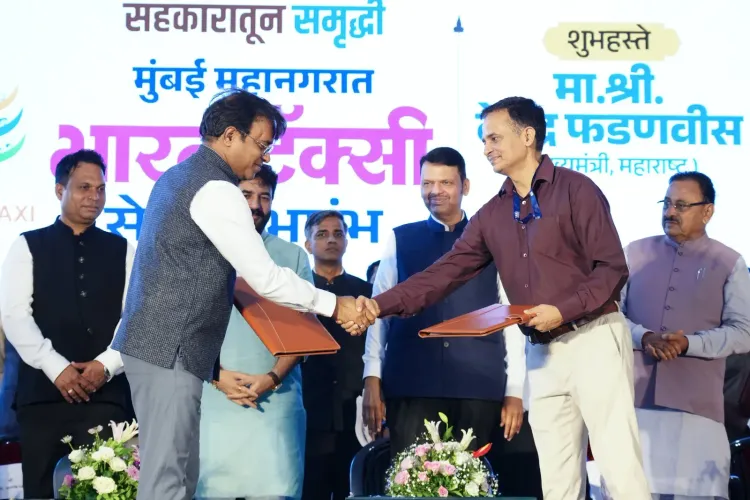
CM Fadnavis backs BharatTaxi initiative for Maharashtra
Synopsis
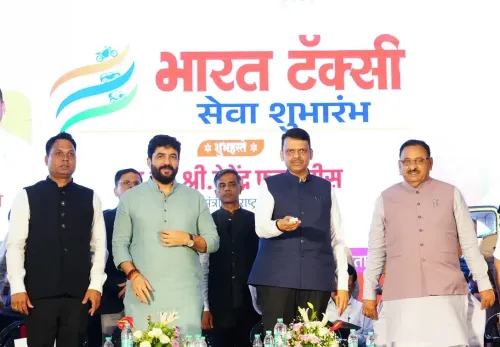
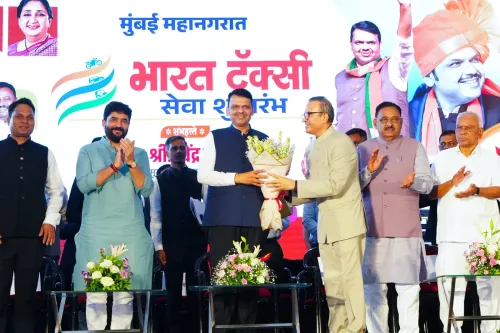
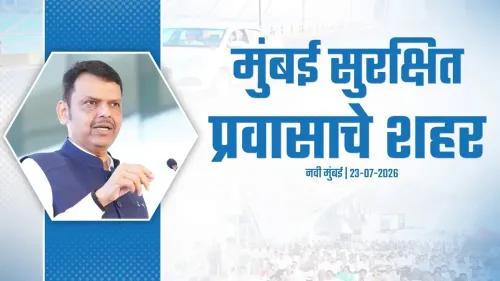
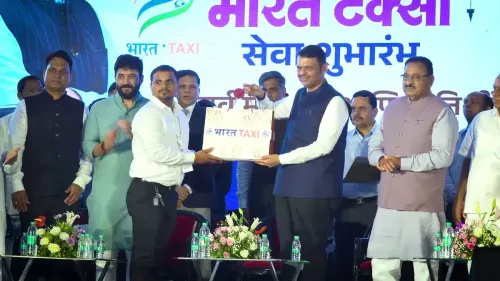
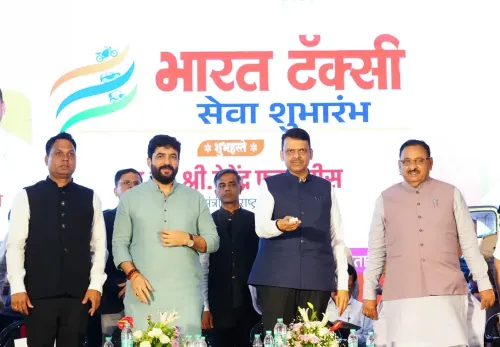
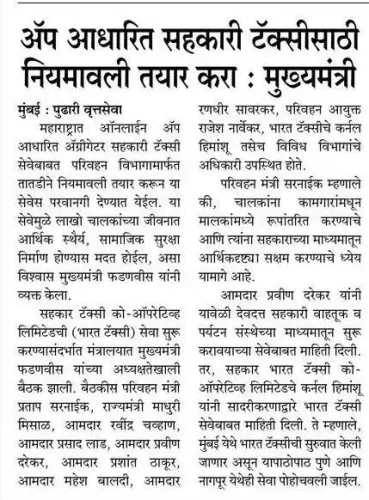
The Chief Minister's Office of Maharashtra amplified the BharatTaxi initiative on 23 July 2026, with CM Devendra Fadnavis's name attached, pointing to state-level support for a regulated taxi scheme targeting operator welfare and urban commuter mobility across the state.
Key Takeaways
The CMO Maharashtra officially posted about the BharatTaxi initiative on 23 July 2026 .
Chief Minister Devendra Fadnavis is associated with the initiative per the post's hashtags and tagging.
The scheme is positioned within the broader urban transport and taxi-operator welfare space in Maharashtra.
Key stakeholders include taxi operators and urban commuters in cities such as Mumbai and Pune .
Implementation timelines and regulatory details are yet to be formally announced by the government.
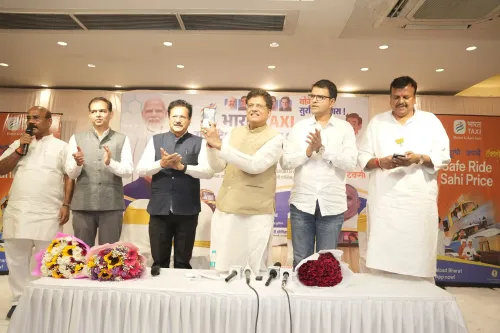
The Chief Minister's Office of Maharashtra on 23 July 2026 posted about the BharatTaxi initiative, signalling the state government's engagement with a regulated taxi scheme aimed at urban mobility and taxi-operator welfare in Maharashtra.
Context
The post, shared from the official CMO Maharashtra handle, references Chief Minister Devendra Fadnavis and the hashtag #BharatTaxi, indicating the state government's association with a transport initiative by that name. While the exact details of the scheme were not elaborated in the post, the official amplification signals active government backing.
Maharashtra has a large and fragmented taxi ecosystem, spanning traditional black-and-yellow cabs in Mumbai, app-based aggregators, and auto-rickshaws across cities including Pune and Nagpur. Regulatory clarity and driver welfare have remained persistent concerns in this sector.
Policy Backdrop
Indian state governments have periodically introduced regulated local transport schemes to formalise the ride-hailing sector and provide alternatives to globally dominant aggregator platforms. Such initiatives typically aim to balance commuter convenience with operator livelihoods.
Maharashtra has historically pursued transport-sector reforms, including fare regulation and permit rationalisation for taxis and auto-rickshaws. A state-backed or state-endorsed taxi platform would fit within a broader national pattern of governments seeking greater oversight of urban mobility services.
Stakeholders and Impact
The primary stakeholders in any BharatTaxi-type scheme are taxi operators and urban commuters across Maharashtra's major cities. For drivers, a government-linked platform could mean better fare structures, reduced commission burdens, and improved social security access.
For commuters, a regulated alternative could offer standardised pricing and safety norms. The scheme's reach and operational model will determine how meaningfully it competes with established ride-hailing services already entrenched in the market.
What's Next
The government's formal communication on implementation timelines, eligibility criteria for taxi operators, and any regulatory amendments affecting existing ride-hailing licences will be closely watched. Industry bodies representing taxi unions and aggregator companies are expected to engage with the state on the scheme's rollout.
As Maharashtra heads into a period of active urban infrastructure investment, transport-sector announcements linked to CM Fadnavis carry significant policy weight for both the economy and the state's working-class commuter base.
Point of View
A space that carries considerable electoral salience among taxi operators and daily commuters. State-backed or state-endorsed taxi platforms have gained traction across India as governments seek to reclaim regulatory ground from large aggregator platforms. For Fadnavis, championing such a scheme aligns with a broader infrastructure-and-employment narrative that has defined his current term. The scheme's success, however, will hinge on operational credibility and the government's ability to enforce standards without stifling the existing market.
NationPress
22 Oct 2026
Frequently Asked Questions
What is BharatTaxi in Maharashtra?
BharatTaxi is a taxi initiative associated with the Maharashtra state government and Chief Minister Devendra Fadnavis, aimed at supporting regulated taxi services and urban mobility in the state. Full scheme details are yet to be officially released.
What did the CMO Maharashtra post about BharatTaxi?
The Chief Minister's Office of Maharashtra posted about BharatTaxi on 23 July 2026, tagging the initiative alongside CM Devendra Fadnavis, indicating official government support for the scheme.
How will BharatTaxi benefit taxi drivers in Maharashtra?
A government-linked taxi platform like BharatTaxi could offer taxi operators better fare structures, lower commission burdens, and improved access to social security benefits, though specific details are pending official announcement.
Will BharatTaxi compete with Ola and Uber in Maharashtra?
BharatTaxi is expected to function as a regulated alternative to existing ride-hailing aggregators in Maharashtra, though the extent of competition will depend on the scheme's operational model and government support.
Which cities in Maharashtra will BharatTaxi operate in?
No city-specific rollout details have been officially confirmed yet. Maharashtra's major urban centres — including Mumbai, Pune, and Nagpur — are the most likely initial targets given their large taxi and commuter populations.