Bharat Taxi Expands to Mumbai: Piyush Goyal Launches Driver Onboarding Drive

Synopsis
Commerce Minister Piyush Goyal launched Bharat Taxi's driver onboarding drive in Mumbai, marking a major push to challenge Ola and Uber with a cooperative, driver-first mobility model. With 5.17 lakh drivers and 10 lakh monthly rides already, and Amit Shah backing a 3-year national rollout, India's urban transport landscape may be at a turning point.
Key Takeaways
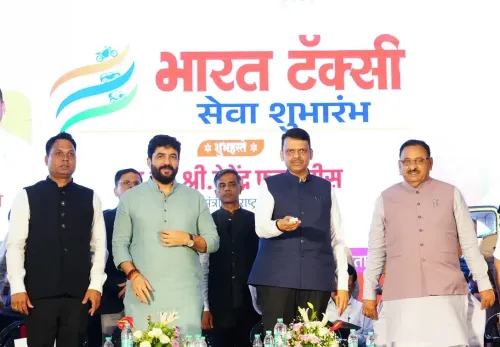
Commerce Minister Piyush Goyal inaugurated the Bharat Taxi driver onboarding initiative in Mumbai on Friday, April 25, 2025 , marking the platform's entry into India's financial capital.
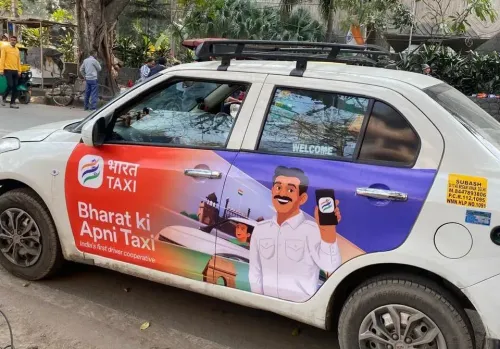
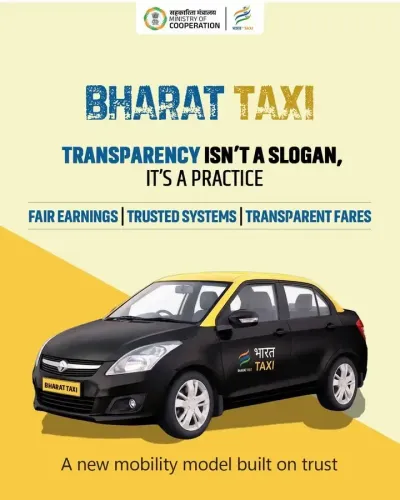
Bharat Taxi operates on a cooperative model , positioning drivers as partners with access to digital tools for improved transparency and earnings — a structural alternative to Ola and Uber's gig economy model.
The platform currently has over 5.17 lakh drivers , more than 50 lakh customers , and facilitates nearly 10 lakh rides per month across multiple cities.
Vivek Pandey, COO of Bharat Taxi , cited strong support from Mumbai's local driver unions as a key confidence booster for the platform's expansion in the city.
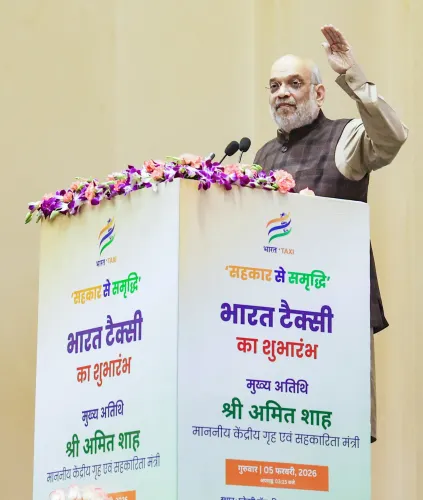
Home Minister Amit Shah has backed a vision to expand Bharat Taxi to all major Indian cities within three years , with Mumbai identified as a critical national milestone.
Mumbai joins an existing network of cities including Delhi-NCR, Gujarat, Chandigarh, and Lucknow where Bharat Taxi's organised mobility network is already operational.
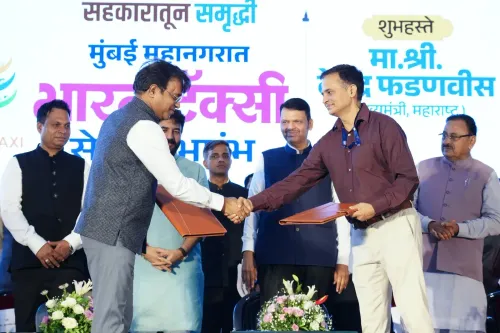
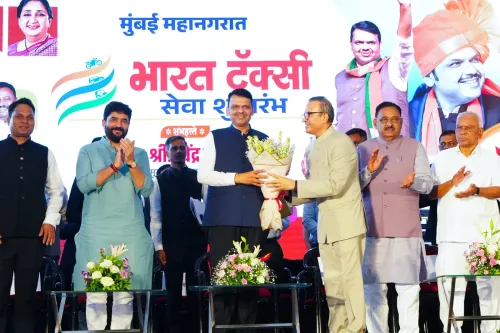
Mumbai, April 24: Bharat Taxi, India's cooperative-model urban mobility platform, officially expanded to Mumbai on Friday, April 25, as Commerce and Industry Minister Piyush Goyal inaugurated the platform's driver onboarding initiative in the city. The launch marks a pivotal moment in India's push to build driver-first, technology-powered ride-hailing alternatives to corporate-dominated platforms, with hundreds of auto-rickshaw and cab drivers, transport union representatives, and cooperative association members participating in the event.
What Is Bharat Taxi and Why Mumbai Matters
Bharat Taxi is a cooperative and technology-driven urban mobility platform designed to empower drivers as stakeholders rather than gig workers. Unlike conventional ride-hailing apps where drivers operate under algorithmic control with limited earnings transparency, Bharat Taxi positions drivers as partners who benefit from digital tools aimed at improving transparency, earnings, and dignity of labour.
Mumbai — India's financial capital and one of the world's busiest urban transport corridors — represents a high-stakes market for the platform. With millions of daily commuters and a large base of auto-rickshaw and taxi drivers historically organised under powerful unions, Mumbai offers both scale and structural readiness for cooperative mobility models.
Vivek Pandey, COO of Bharat Taxi, stated that Mumbai is a high-potential market and that strong support from local driver unions has reinforced the platform's confidence in its expansion plans and its commitment to building a robust driver ecosystem in the city.
Minister Piyush Goyal's Vision for Cooperative Urban Mobility
Minister Piyush Goyal emphasised that cooperative and technology-driven models are central to strengthening India's evolving mobility ecosystem. He noted that initiatives like Bharat Taxi represent the future direction of India's urban transport systems — one where drivers are not exploited intermediaries but active, empowered participants.
Goyal's presence at the launch signals strong Central Government backing for the platform, which operates under the broader cooperative economy vision championed by Home and Cooperation Minister Amit Shah. According to the Ministry of Cooperation, Shah envisions Bharat Taxi operating across all major Indian cities within the next three years, with Mumbai emerging as a critical milestone in this national growth roadmap.
This aligns with the Modi government's wider push to formalise the gig economy through cooperative structures — a policy direction that has gained momentum since the formation of the Ministry of Cooperation in 2021, a first-of-its-kind ministry created specifically to strengthen India's cooperative sector.
Platform Growth: Numbers That Signal Scale
Bharat Taxi's current operational metrics reflect significant traction. The platform has engaged over 5.17 lakh drivers, onboarded more than 50 lakh customers, and facilitates nearly 10 lakh rides every month across cities. These numbers, while still far behind incumbents like Ola and Uber, indicate a rapidly growing alternative ecosystem.
The platform is now active across a network of cities including Delhi-NCR, Gujarat, Chandigarh, and Lucknow, with Mumbai becoming the latest and arguably most strategically significant addition. The onboarding drive in Mumbai is designed to simplify registration processes, improve operational efficiency, and ensure drivers have consistent access to ride demand.
According to the Ministry of Cooperation, the initiative aims to expand access to structured digital platforms that enhance driver participation, improve transparency, and create better earning opportunities — directly addressing longstanding grievances within the driver community about commission structures and algorithmic unfairness on existing platforms.
The Bigger Picture: Challenging Ola and Uber's Dominance
Bharat Taxi's expansion into Mumbai must be read against the backdrop of growing discontent among drivers on corporate ride-hailing platforms. Over the past several years, driver strikes, protests, and union agitations against Ola and Uber have been reported across multiple Indian cities, with drivers citing high commission deductions — sometimes as steep as 25-30% — opaque surge pricing, and arbitrary account deactivations as key grievances.
This comes amid increasing regulatory scrutiny of gig economy platforms globally. India's Code on Social Security, 2020 extended welfare provisions to gig and platform workers for the first time, but implementation has been slow. Bharat Taxi's cooperative model, by contrast, structurally embeds driver welfare into its business design rather than treating it as a compliance obligation.
Critics and industry analysts will watch closely whether Bharat Taxi can sustain competitive pricing for commuters while delivering meaningfully higher net earnings for drivers — the central tension in any driver-first platform model. The platform's ability to scale without compromising on its cooperative principles will be the defining test of its long-term viability.
What Comes Next for Bharat Taxi
With Mumbai now onboarded, the platform is expected to accelerate its city-by-city expansion across India's Tier-1 and Tier-2 urban centres. The three-year national rollout timeline endorsed by Minister Amit Shah suggests a structured, government-supported expansion strategy rather than an organic startup growth curve.
Upcoming milestones will likely include deeper penetration in southern metros like Bengaluru, Chennai, and Hyderabad — cities with large driver populations and established auto-rickshaw union networks. The success of the Mumbai onboarding drive, particularly the level of union participation, will serve as a template for future city launches.
As India's urban population continues to grow and the demand for affordable, reliable intra-city transport intensifies, the cooperative mobility model championed by Bharat Taxi could reshape how millions of drivers and commuters interact with urban transport infrastructure in the years ahead.
Point of View
Through the Ministry of Cooperation, is systematically building a parallel infrastructure to corporate gig platforms, one where the state acts as a silent equity partner for the working class. The timing is telling: as driver discontent with Ola and Uber reaches a boiling point and global scrutiny of gig economy exploitation intensifies, India is attempting a structural alternative rather than just regulatory patches. Whether cooperative idealism can survive the brutal economics of urban mobility at scale remains the unanswered question — but the political will behind Bharat Taxi is now unmistakable.
NationPress
19 Sept 2026
Frequently Asked Questions
What is Bharat Taxi and how is it different from Ola and Uber?
Bharat Taxi is a cooperative, technology-driven ride-hailing platform where drivers participate as partners rather than gig workers, benefiting from greater earnings transparency and digital tools. Unlike Ola and Uber, which operate on corporate commission models, Bharat Taxi is backed by India's Ministry of Cooperation and designed to prioritise driver welfare and dignity of labour.
Why did Piyush Goyal launch Bharat Taxi in Mumbai?
Commerce and Industry Minister Piyush Goyal inaugurated the Bharat Taxi driver onboarding initiative in Mumbai on April 25, 2025, as part of the government's push to strengthen cooperative urban mobility. Mumbai was chosen as a high-potential market with strong driver union support, making it a key milestone in the platform's national expansion roadmap.
How many drivers and customers does Bharat Taxi currently have?
Bharat Taxi has over 5.17 lakh drivers engaged, more than 50 lakh customers onboarded, and facilitates nearly 10 lakh rides every month across its active cities. The platform operates in Delhi-NCR, Gujarat, Chandigarh, Lucknow, and now Mumbai.
What is Amit Shah's vision for Bharat Taxi?
Home and Cooperation Minister Amit Shah envisions Bharat Taxi operating across all major Indian cities within the next three years, according to the Ministry of Cooperation. Mumbai's addition to the network is described as a critical milestone in this national growth roadmap.
Which cities does Bharat Taxi currently operate in?
Bharat Taxi currently operates in Delhi-NCR, Gujarat, Chandigarh, Lucknow, and has now expanded to Mumbai. The platform is part of a wider government-backed effort to build organised, driver-first mobility networks across India's major urban centres.