CM Fadnavis orders AI-powered platform for ride aggregators
Synopsis
Chief Minister Devendra Fadnavis on 29 October 2026 chaired a meeting on the Maharashtra Motor Vehicle Aggregator Rules, 2026, directing the Transport Department to build an AI-powered digital platform to track aggregator vehicles, drivers and shifts in real time and audit ride-allocation algorithms for fairness.
Key Takeaways
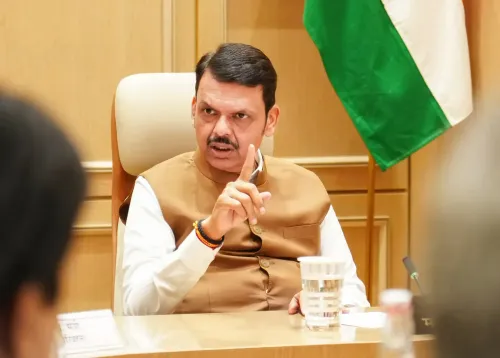
CM Devendra Fadnavis chaired a meeting at Varsha residence, Mumbai on 29 October 2026 on the Maharashtra Motor Vehicle Aggregator Rules, 2026 .
A centralised digital platform must record every aggregator vehicle's registration, parking location, driver credentials, licence, police verification and shift-wise assignment in real time.
AI-based analytics will monitor vehicle operations, driver shifts, parking and passenger service delivery to enable swift enforcement action.
Ride-allocation algorithms are to be audited to ensure independent taxi drivers receive the same booking opportunities as large fleet operators.
The Transport Department has been directed to proceed with platform development and rule implementation; Minister Pratap Sarnaik was present at the meeting.
A fleet that keeps no real-time record of who is driving which car, at what hour, is a fleet that cannot be held accountable — and Chief Minister Devendra Fadnavis has decided Maharashtra's app-based taxi sector will no longer operate that way. On Thursday, 29 October 2026, Fadnavis chaired a high-level meeting at Varsha residence, Mumbai, to review the draft Maharashtra Motor Vehicle Aggregator Rules, 2026, issuing a sweeping set of directives to the state Transport Department aimed at building a centralised, AI-powered digital oversight system for every ride-hailing company operating in the state.
A single platform to track every vehicle, every driver, every shift
The cornerstone of the CM's directive is a unified digital registry — one platform that aggregates, in real time, the registration details of every vehicle operated by aggregator companies, its designated parking location, the assigned driver's credentials, driving licence particulars, police verification records, and all mandatory documentation. That is not all. The system must log, shift by shift, exactly which driver is behind the wheel of which vehicle throughout the day.
Fadnavis made the accountability logic explicit: 'एखादी घटना घडल्यास संबंधित वाहन आणि चालकाची माहिती तातडीने उपलब्ध होईल' — 'should an incident occur, information about the vehicle and the driver concerned must be available immediately.' The directive is not merely administrative housekeeping; it is a direct response to the safety gaps that have repeatedly surfaced in app-based transport across Indian cities.
AI to audit algorithms — levelling the field for independent drivers
The most structurally significant instruction concerns ride-allocation fairness. Fadnavis raised a question that thousands of owner-drivers in Mumbai and across Maharashtra have long demanded an answer to: do the algorithms that decide who gets the next ride treat an independent taxi driver the same way they treat vehicles from a large fleet company?
The CM directed that technology be deployed to examine, on what criteria and for what reasons any particular vehicle is assigned a trip — and to detect discriminatory patterns if they exist. Artificial-intelligence-based analytics, he said, must be layered onto the platform to monitor vehicle operations, driver shift compliance, parking management, and service delivery. Non-compliance should trigger immediate action by the relevant enforcement machinery.
The three-pronged objective Fadnavis articulated is precise: safe and trustworthy service for passengers, equal employment opportunity for local drivers, and effective technical oversight of company operations.
Maharashtra joins a national regulatory wave — but raises the ambition
The meeting sits inside a broader arc of state-level aggregator regulation that accelerated after the Motor Vehicles (Amendment) Act, 2019 empowered states to frame their own rules for app-based transport. Several large states have moved to mandate centralised data access and driver welfare provisions. Maharashtra's draft 2026 Rules appear to push further by embedding algorithmic auditing — a feature that, if implemented, would make it one of the more technically ambitious regulatory frameworks in the country.
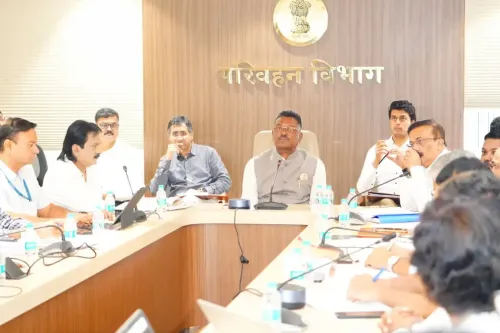
Minister Pratap Sarnaik and senior officials were present at the meeting. The Transport Department has been directed to proceed with the next steps toward notifying and implementing the rules and building the proposed platform.
The real test is execution: building an AI-enabled registry that actually talks to enforcement agencies in real time is a far harder engineering and governance challenge than the policy mandate that created it — and on that front, Maharashtra has its work cut out.
Point of View
Organised constituency — who have long accused aggregator platforms of systematically under-allocating rides to independent operators in favour of captive fleets. By embedding AI oversight into the regulatory framework rather than relying on manual inspection, Fadnavis is betting that technology can solve a compliance problem that paperwork manifestly has not. The harder question the directive leaves open is institutional capacity: whether the Maharashtra Transport Department can build and sustain the kind of real-time AI infrastructure the CM is describing within a credible timeline.
NationPress
29 Oct 2026
Frequently Asked Questions
What are the Maharashtra Motor Vehicle Aggregator Rules 2026?
The Maharashtra Motor Vehicle Aggregator Rules, 2026 are proposed state-level regulations being reviewed by the Maharashtra government to bring app-based ride-hailing services under a comprehensive regulatory framework covering vehicle registration, driver vetting, ride-allocation transparency and real-time oversight.
What did CM Devendra Fadnavis announce for taxi aggregators in Maharashtra?
CM Fadnavis on 29 October 2026 directed the Transport Department to build an AI-powered digital platform that tracks every aggregator vehicle's details, driver credentials, shift assignments and parking in real time, and to audit ride-allocation algorithms to ensure fairness for independent drivers.
How will the new platform improve passenger safety in Maharashtra?
By storing real-time records of which driver is operating which vehicle at any given hour, along with police verification and licence details, the platform would allow authorities to immediately identify the vehicle and driver involved if an incident occurs.
What is ride-allocation algorithm auditing and why does it matter for taxi drivers?
Algorithm auditing involves examining the criteria by which an app assigns trips to drivers. Fadnavis directed that technology be used to detect whether independent owner-drivers are receiving the same booking opportunities as vehicles belonging to large fleet companies, addressing long-standing fairness concerns.
Which law empowers Maharashtra to frame aggregator rules?
The Motor Vehicles (Amendment) Act, 2019 granted Indian states the authority to frame their own rules for regulating motor vehicle aggregators, forming the national legislative basis for Maharashtra's 2026 rules.