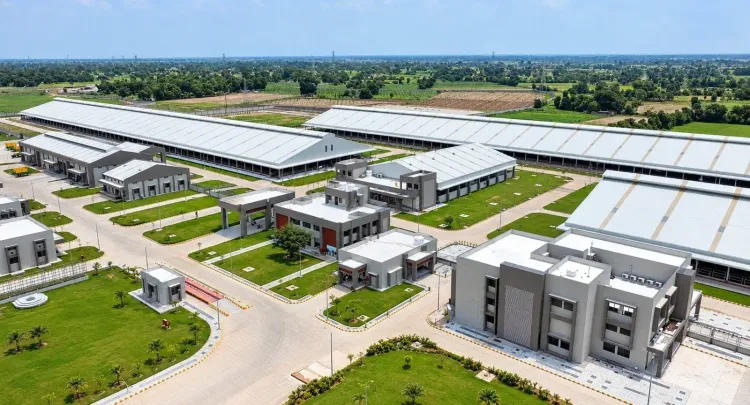
PM Modi to launch 127-acre Bovine Breeding Centre in Banaskantha
Synopsis
PM Modi announces a 127-acre Bovine Breeding and Research Centre in Banaskantha, Gujarat, launching on 30 October. The facility extends the Rashtriya Gokul Mission's push for scientific breeding and marks the next chapter in India's cooperative dairy legacy.
Key Takeaways
PM Narendra Modi announced the launch of a Bovine Breeding and Research Centre in Banaskantha, Gujarat , on 30 October 2026 .
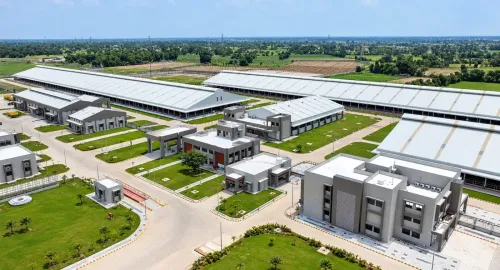
The facility spans 127 acres , making it a large-scale, permanent research infrastructure for India's dairy sector.
Banaskantha is a key district in Gujarat's cooperative dairy belt, historically linked to India's milk-production dominance.
The project aligns with the Rashtriya Gokul Mission (launched 2014 ), which focuses on indigenous bovine breed conservation and genetic improvement.
India's dairy sector supports tens of millions of farming households, making productivity gains a direct rural-income issue.
Similar research facilities in other states could follow, with future budget allocations for animal husbandry a key indicator.
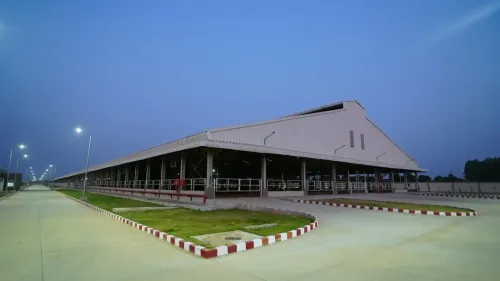
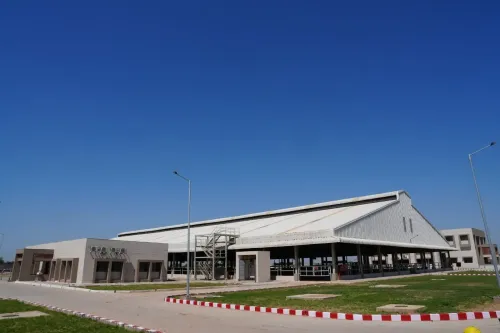
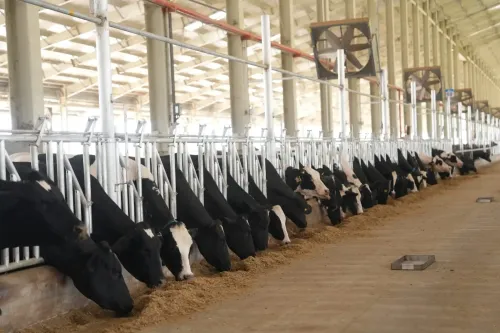
India's dairy ambitions are about to get a 127-acre shot in the arm. Prime Minister Narendra Modi on Thursday, 29 October 2026 announced the launch of a Bovine Breeding and Research Centre in Banaskantha, Gujarat, set to open on 30 October — framing it as the next big leap for the country's animal husbandry and dairy sector.
In his post, PM Modi described the facility as 'a great example of how science and innovation are furthering the welfare of our farmers,' and invited the country to look to Banaskantha to understand where India's dairy future is headed.
Why Banaskantha is the right address
Banaskantha is not a random choice. The northern Gujarat district sits at the heart of India's cooperative dairy belt, supplying milk to some of the country's most storied cooperatives. Gujarat itself is the birthplace of Operation Flood — the 1970 initiative that wove together cooperative structures and turned India into the world's largest milk producer. Dropping a cutting-edge bovine research facility here is less a coincidence than a deliberate deepening of that legacy.
Science meeting the cattle shed
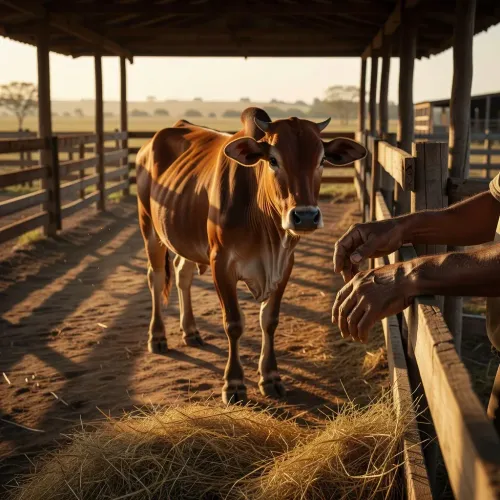
The centre builds on the momentum of the Rashtriya Gokul Mission, launched in 2014, which targets the conservation of indigenous bovine breeds and the scientific improvement of milk productivity through better genetics and breeding infrastructure. Research facilities of this scale are designed to push those goals further — giving dairy farmers access to superior breeding stock and reducing the productivity gap between India's indigenous breeds and high-yield imports.
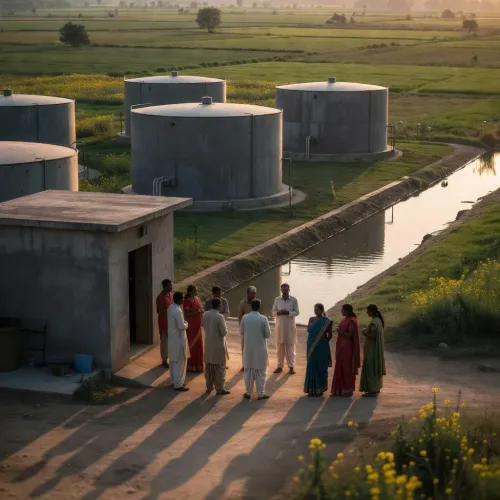
India's dairy sector is a rural income lifeline: tens of millions of farming households depend on milk sales for daily cash flow, making genetic improvement not just an agricultural metric but a poverty-reduction lever.
The broader pattern: science into the cooperative model
Successive administrations have worked to layer technology onto the cooperative framework that Gujarat pioneered. The 127-acre scale of the new centre signals an intent to move beyond pilot projects toward permanent, large-footprint infrastructure for bovine research. If the model proves replicable, similar facilities in other states could follow — a possibility worth watching in the next Union Budget cycle, when animal husbandry allocations typically come into focus.
For now, all eyes turn to Banaskantha on 30 October — where a research campus the size of roughly 65 football fields is set to open its gates, with India's dairy farmers as its ultimate constituency.
Point of View
The Modi government reinforces a political and policy narrative that frames the state as the template for agricultural modernisation. The scale — 127 acres — also signals a shift from scheme-level interventions to durable physical infrastructure, which is harder for successor governments to reverse. Whether the centre's outputs actually reach smallholder farmers, rather than staying within research silos, will be the real measure of its impact.
NationPress
29 Oct 2026
Frequently Asked Questions
What is the Bovine Breeding and Research Centre in Banaskantha?
It is a 127-acre facility in Banaskantha, Gujarat , announced by PM Modi and set to launch on 30 October 2026 , focused on scientific bovine breeding and research to improve milk productivity and support dairy farmers.
Where is Banaskantha and why is it significant for dairy?
Banaskantha is a district in northern Gujarat and sits within India's core cooperative dairy belt, supplying milk to major cooperatives. Gujarat pioneered India's cooperative dairy model through Operation Flood in 1970 .
What is the Rashtriya Gokul Mission?
The Rashtriya Gokul Mission was launched in 2014 to conserve indigenous bovine breeds and raise milk productivity through scientific breeding programmes and improved genetics infrastructure across India.
How does this centre benefit dairy farmers?
The centre is designed to provide dairy farmers access to superior breeding stock through scientific research, which can raise milk yields from indigenous cattle breeds and directly increase rural household incomes.
Will similar bovine research centres be set up in other states?
That has not been officially confirmed yet. Analysts suggest future Union Budget allocations for animal husbandry and any government announcements will indicate whether the Banaskantha model is to be replicated nationally.