Brazil condemns US visa revocation of ambassador Viotti as 'false'
Synopsis
Washington revoked the visa of Brazil's ambassador to the US after Brasília denied entry to two American officials it accused of trying to undermine Brazil's electoral system. Brazil is pushing back hard — citing the Vienna Convention and calling US justifications 'false' — in what is shaping up as one of the most serious bilateral ruptures between the two countries in years.
Key Takeaways
The US State Department revoked the visa of Brazil's ambassador Maria Luiza Ribeiro Viotti on 5 August .
The move was retaliation for Brazil denying visas to two US officials and delaying approval of Daniel Perez as US ambassador to Brazil.
Brazil called the US justifications 'false' and defended its actions as protecting sovereignty from electoral interference.
Brazil cited Article 4 of the Vienna Convention , arguing the US violated protocol by announcing Perez's nomination publicly before seeking formal approval.
US sanctions against Brazilian Supreme Court justices and senior officials remain in place, deepening the standoff.
Viotti was in Brazil when notified; the State Department said her visa would be restored if the dispute is resolved.
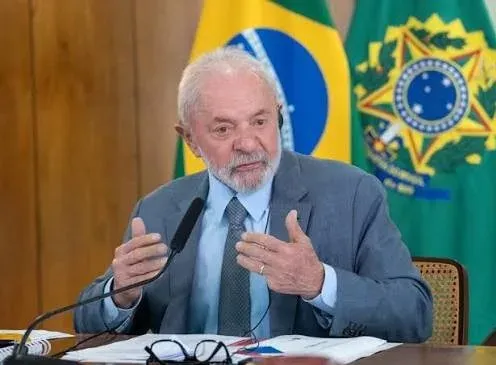
The Brazilian government on 5 August strongly condemned the US State Department's decision to revoke the visa of Brazil's ambassador to Washington, Maria Luiza Ribeiro Viotti, calling the reasons cited by the United States 'false.' The diplomatic standoff marks a sharp escalation in tensions between Brasília and Washington that has been building over several weeks.
Background to the Dispute
The US move was a direct retaliation for Brazil's refusal last month to grant entry visas to two US State Department officials, as well as its delay in approving US President Donald Trump's nominee for ambassador to Brazil. The two US officials had reportedly intended to visit Brazil to question the integrity of the country's electoral system — a purpose the Brazilian government described as an unacceptable attempt to interfere in its domestic political affairs.
In early June, Trump nominated Daniel Perez as the next US ambassador to Brazil. The US Senate has yet to confirm his appointment, and he cannot assume the post until Brazil formally approves the nomination.
Brazil's Legal Defence
On the question of the delayed approval for the US ambassador nominee, Brazil's Foreign Ministry pointed out that Washington had publicly announced Perez's nomination before formally requesting approval — a step it argued violated Article 4 of the Vienna Convention on Diplomatic Relations. 'There is no rule in the Vienna Convention stipulating a deadline for granting agreement,' the Brazilian government said in its official statement, adding that the US request remains under review.
Broader Sanctions and Ongoing Tensions
The Brazilian statement also highlighted that unilateral US sanctions against Brazilian officials — including Supreme Court justices and senior government figures whose US visas were revoked over allegations of political persecution — remain in force. This context, Brasília argued, underscores a pattern of US pressure on Brazil's judicial and political institutions.
In recent weeks, Washington has announced additional visa restrictions on Brazilian officials and publicly criticised rulings by Brazil's Supreme Federal Court related to high-profile judicial investigations, further straining bilateral relations.
What the US Said
A senior State Department official, quoted by US media, confirmed the visa revocation was a direct response to Brazil denying visas to the two US diplomats and withholding approval of the Trump administration's ambassador nominee. The official indicated that Viotti's visa would be restored if the situation was resolved.
Brazil's Foreign Ministry confirmed the US action to the Brazilian media outlet Globonews. According to reports, Viotti was in Brazil when she was notified of the revocation.
What Comes Next
With both sides digging in on procedural and sovereignty grounds, a swift resolution appears unlikely. The standoff could complicate broader trade and diplomatic engagement between the two largest economies in the Western Hemisphere. All eyes are now on whether either government moves to de-escalate or whether further retaliatory measures follow.
Point of View
Judicial independence, and the limits of US influence in Latin America. Washington's move to revoke an ambassador's visa is an unusually aggressive diplomatic step, and Brazil's invocation of the Vienna Convention signals it intends to fight this on legal rather than political terms. What mainstream coverage underplays is the domestic dimension: Brazil's Supreme Federal Court is already under pressure at home, and US sanctions targeting its justices hand the government a nationalist rallying point. The risk is that both sides entrench, turning a procedural row into a lasting rupture between the hemisphere's two largest economies.
NationPress
19 Sept 2026
Frequently Asked Questions
Why did the US revoke Brazil's ambassador's visa?
The US revoked the visa of Brazilian Ambassador Maria Luiza Ribeiro Viotti in retaliation for Brazil denying entry visas to two US State Department officials and delaying approval of Donald Trump's nominee for US ambassador to Brazil, Daniel Perez. A senior State Department official confirmed the move was a direct response to both actions.
Why did Brazil deny visas to the two US officials?
Brazil denied visas to the two US State Department officials because they reportedly intended to visit the country to question the integrity of Brazil's electoral system. The Brazilian government described this as an unacceptable attempt to interfere in its domestic political affairs.
What is Brazil's legal argument in this dispute?
Brazil argues that the US violated Article 4 of the Vienna Convention on Diplomatic Relations by publicly announcing Daniel Perez's nomination as ambassador before formally requesting Brazil's approval. Brazil also notes that no rule in the Vienna Convention sets a deadline for granting such approval.
Who is Daniel Perez and what is his role in this standoff?
Daniel Perez is the US nominee for ambassador to Brazil, put forward by President Donald Trump in early June. The US Senate has not yet confirmed him, and he cannot take up the post until Brazil formally approves his appointment — a process Brasília has not completed, contributing to the diplomatic friction.
Could the situation be resolved quickly?
The State Department indicated that Ambassador Viotti's visa would be restored once the situation is resolved, but with both sides entrenched on sovereignty and procedural grounds, a quick resolution appears unlikely. Ongoing US sanctions against Brazilian officials and Supreme Court justices continue to complicate the bilateral relationship.