Bolsonaro backs down on Brazil poll challenge after Trump says 'I'm not running Brazil'
Synopsis
Bolsonaro's dramatic stand-off over Brazil's presidential result collapsed within hours — not because of a court ruling, but because Trump said 'I'm not running Brazil.' The episode lays bare how dependent the Brazilian right's confrontation strategy was on Washington's backing, and how quickly it evaporated once that backing was withheld.
Key Takeaways
Flavio Bolsonaro and the Liberal Party (PL) recognised Lula da Silva's victory on 27 October , hours after Trump declined to intervene.
Trump said 'I'm not running Brazil, I'm running the USA' when asked about Brazil's election issues, effectively removing the prospect of US backing for Bolsonaro's challenge.
PL president Valdemar Costa Neto acknowledged the TSE-proclaimed result but called for clarification of 'questions raised' through democratic debate.
Bolsonaro did not explicitly admit defeat, pledging to lead the opposition from Congress and pursue Lula's ticket disqualification over alleged economic power abuse.
Lula won approximately 64 million votes to Bolsonaro's 59 million , a margin of 51% to 48% .
The right secured a congressional majority, setting up a divided-government scenario in Brazil.
Flavio Bolsonaro and his Liberal Party (PL) formally recognised President Luiz Inácio Lula da Silva's victory in Brazil's presidential runoff on Monday, 27 October, hours after US President Donald Trump made clear he would not intervene on the right-wing challenger's behalf. The reversal ended a brief but charged stand-off that had raised fears of a legitimacy crisis in Latin America's largest democracy.
Trump's Pivot That Changed the Calculus
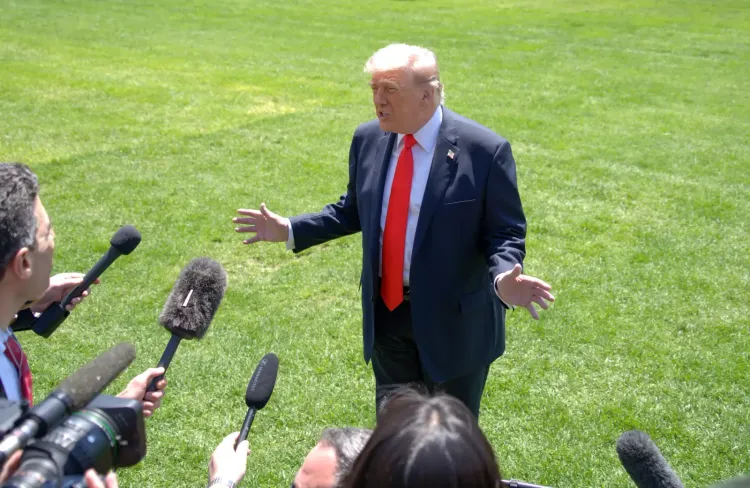
The turning point came when Trump was asked by reporters on Monday, before boarding Air Force One, whether he intended to act on 'election issues' in Brazil. 'Uh, well I'm not running Brazil, I'm running the USA,' he said bluntly. He did, however, add that he found 'the way it was tabulated' and a voting-hours extension to be 'very strange', while separately stating, 'I like Lula. I get along with him very well.'
According to The Washington Post, Bolsonaro 'effectively conceded defeat' within minutes of Trump's remarks — an unusually direct illustration of how closely the Brazilian right had been watching Washington for a cue.
PL Recognises the Result — With Caveats
On Monday evening, PL president Valdemar Costa Neto released a statement acknowledging the outcome. 'We recognise the presidential result, proclaimed by the Superior Electoral Court (TSE), but we understand that the questions raised need to be properly clarified within a balanced and democratic political debate,' he said, according to Folha de S.Paulo. The statement stopped short of an unconditional concession, framing the party's acceptance as contingent on future clarification.
Bolsonaro's Video: No Explicit Concession
In a video posted on social media, Bolsonaro himself stopped short of admitting personal defeat. 'To resist the chaos, I will organise the opposition,' he said, adding that the right's congressional majority would make the Chamber and Senate 'our fortress'. He also indicated his campaign would pursue the disqualification of Lula's ticket on grounds of alleged abuse of economic power. His closing line — 'It wasn't me who lost, it was the system that won' — signalled a combative posture heading into opposition.
What Triggered the Initial Stand-Off
On Sunday night, Bolsonaro had declared it 'impossible' to recognise the result and announced plans to seek annulment, citing a decision by Supreme Federal Court Justice Cristiano Zanin to extend voting hours. The extension had originally been requested by Lula's Workers' Party after complaints about insufficient transport for voters — and, notably, Bolsonaro's own PL subsequently joined that same request, according to El País.
Final tallies showed Lula received approximately 64 million votes against Bolsonaro's roughly 59 million, a margin of 51% to 48% — close enough to fuel contestation claims, but not close enough to reverse under Brazil's established legal framework.
The Broader Context
This is not the first time Bolsonaro has questioned Brazil's electronic voting system — he had raised similar doubts ahead of the first round and during his 2022 defeat to Lula. His PL had also filed a court challenge over electronic voting machines earlier in the cycle, which was rejected. The episode also intersected with Trump's domestic agenda: at the same press event, Trump announced a $1 million reward for anyone who reports voter fraud leading to an arrest and conviction, ahead of US midterm elections on 3 November. The Brazilian drama, in other words, unfolded against a backdrop of US election-integrity messaging that carries its own political charge.
With Lula set to return to the presidency and the right securing a congressional majority, Brazil now faces a period of divided governance — with Bolsonaro promising to build his opposition from within the legislature.
Point of View
Not a legal strategy. That a Brazilian election challenge could hinge on a pre-boarding comment from a US president speaks to the alarming externalisation of democratic legitimacy in the Bolsonarist movement. The 'system won' framing Bolsonaro deployed is also a gift to his base — it lets him bank the loss without owning it, and sustains grievance politics through a congressional majority. Watch the disqualification petition against Lula's ticket: it is the next flashpoint, and unlike Sunday's improvised stand-off, it will play out in courts.
NationPress
27 Oct 2026
Frequently Asked Questions
Why did Bolsonaro drop his demand to annul Brazil's election result?
Bolsonaro backed down on 27 October after US President Trump publicly said he would not intervene in Brazil's election, effectively withdrawing any prospect of American backing. According to The Washington Post, Bolsonaro 'effectively conceded defeat' within minutes of Trump's remarks.
What did Trump say about Brazil's presidential election?
Trump told reporters on Monday that 'I'm not running Brazil, I'm running the USA.' He added that he found the election's tabulation and the voting-hours extension 'very strange', but separately said he liked Lula and got along with him well.
Has the Liberal Party formally accepted Lula's victory?
Yes. PL president Valdemar Costa Neto said on Monday evening that the party recognises the result proclaimed by the Superior Electoral Court (TSE), though he called for 'questions raised' to be clarified through democratic debate — a caveat that stops short of an unconditional concession.
What was Bolsonaro's objection to the election result?
Bolsonaro objected to a Supreme Federal Court decision by Justice Cristiano Zanin extending voting hours on election day, which he cited as grounds for annulment. The extension had originally been requested by Lula's Workers' Party over transport shortages — and Bolsonaro's own PL later joined that request, according to El País.
What are the final vote margins in Brazil's presidential runoff?
Lula da Silva received approximately 64 million votes against Bolsonaro's roughly 59 million, translating to a margin of 51% to 48%. Bolsonaro has indicated his campaign will now seek the disqualification of Lula's ticket on grounds of alleged abuse of economic power.