White House Says D.C. Reflecting Pool Is Back Online Under Trump
Synopsis
The White House announced on June 5, 2026 that the Lincoln Memorial Reflecting Pool on the National Mall is back in operation, crediting President Trump. The post signals renewed executive focus on maintaining Washington D.C.'s federal landmarks and national heritage sites.
Key Takeaways
The White House officially announced the Lincoln Memorial Reflecting Pool is operational as of June 5, 2026 .
The post directly credited President Donald Trump for the restoration of the iconic landmark.
The National Mall , including the Reflecting Pool, falls under direct federal executive oversight for maintenance.
During Trump's first term (2017–2021) , similar directives prioritised upkeep of historic federal monuments.
Millions of tourists and D.C. residents visit the National Mall annually, making the Pool's operational status a high-visibility indicator of federal stewardship.
Further Interior Department announcements on Mall funding and monument upkeep are anticipated.
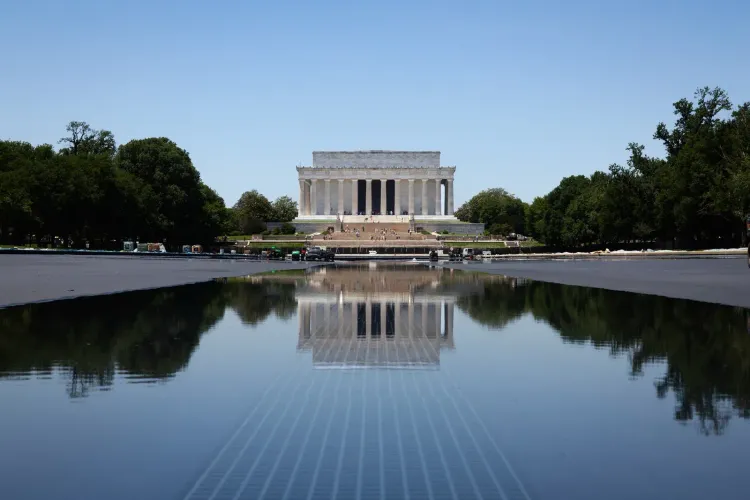
The White House announced on Friday, June 5, 2026, that the Lincoln Memorial Reflecting Pool on the National Mall in Washington, D.C. has been restored to operational status, crediting President Donald Trump in an official post that declared the capital is 'looking better than ever.'
Context
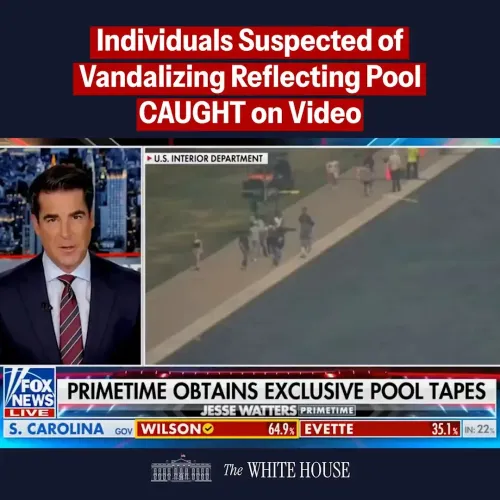
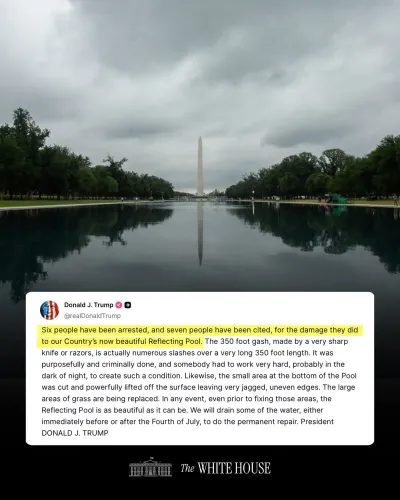
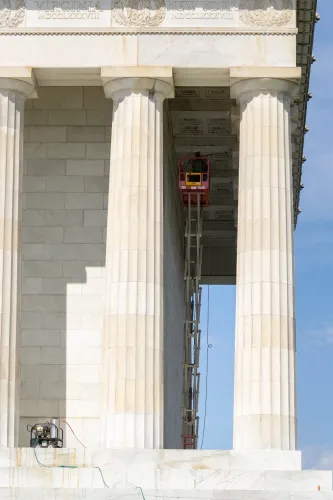
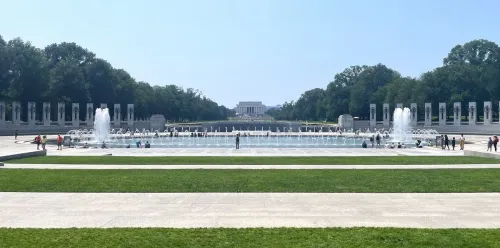
The official White House account posted that 'the water is ON, the Reflecting Pool is reflecting, and D.C. is looking better than ever,' closing with a direct message of thanks to President Trump. The announcement was accompanied by two images of the restored landmark.
The Reflecting Pool, stretching between the Lincoln Memorial and the Washington Monument, is one of the most photographed federal landmarks in the United States. It is periodically drained for cleaning, structural repairs, and maintenance, making its return to full operation a visible marker of federal upkeep priorities.
Policy Backdrop
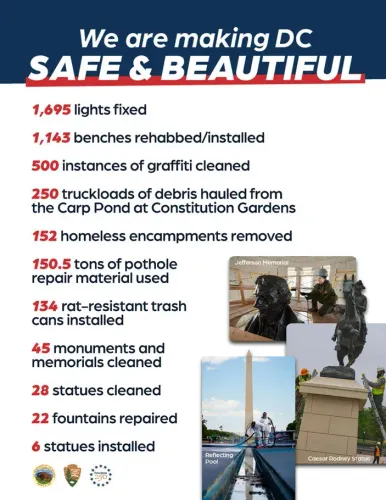
The National Mall and its monuments fall under direct executive oversight for maintenance and presentation. During Trump's first term (2017–2021), executive directives pushed federal agencies to prioritise the upkeep of historic buildings and monuments on the Mall, framing visible improvements as a reflection of national pride.
In his second term, beginning January 2025, the administration has continued to signal attention to the physical condition of federal heritage sites. Posts of this nature align with a recurring pattern of executive messaging that ties tangible improvements in federal property to leadership priorities around domestic order and heritage preservation.
Stakeholders and Impact
The restoration directly benefits the millions of tourists, school groups, and Washington, D.C. residents who visit the National Mall each year. The Reflecting Pool is a central visual and cultural feature of the capital's monumental core, frequently serving as a backdrop for public gatherings and major national events.
Upkeep of the Mall is also a matter of federal jurisdiction — unlike city parks, the National Mall is managed at the federal level, meaning its condition is often read as a signal of executive attention to national symbols. Advocacy groups focused on heritage preservation and tourism have long called for consistent funding to prevent deferred maintenance at such sites.
What's Next
Attention will now turn to whether the Interior Department follows up with formal announcements on National Mall funding allocations or broader maintenance programmes. Congressional appropriations for monument upkeep remain a recurring point of negotiation, and this announcement may signal renewed executive pressure for sustained investment in the capital's landmark infrastructure.
Further executive orders or agency-level guidance on federal property standards could follow, consistent with the administration's stated emphasis on visible governance and national heritage.
Point of View
The administration reinforces a broader narrative of executive competence and national pride that has been central to both of Trump's terms. For Indian observers tracking U.S. domestic politics, this reflects a universal pattern: governments across democracies routinely leverage the visible upkeep of national monuments as proof of effective administration. The announcement may also be a precursor to larger funding or policy moves around federal heritage infrastructure.
NationPress
21 Oct 2026
Frequently Asked Questions
Why was the Lincoln Memorial Reflecting Pool drained?
The Reflecting Pool is periodically drained for cleaning, structural repairs, and routine maintenance. Its restoration to full operation was announced by the White House on June 5, 2026.
Who is responsible for maintaining the National Mall in Washington D.C.?
The National Mall, including the Reflecting Pool, is managed at the federal level under executive oversight, not by the city of Washington D.C. The Interior Department plays a key role in its upkeep.
What did the White House post about the Reflecting Pool?
The White House posted that 'the water is ON, the Reflecting Pool is reflecting, and D.C. is looking better than ever,' thanking President Trump for the restoration.
Is the Lincoln Memorial Reflecting Pool open to visitors?
Yes, the Reflecting Pool is a public landmark on the National Mall open to visitors. Its return to operational status means tourists and residents can once again enjoy the iconic water feature.
What is Trump's policy on federal monument maintenance?
During both his first term (2017–2021) and his current second term from 2025, President Trump has directed federal agencies to prioritise the maintenance and presentation of historic buildings and monuments on the National Mall.