Trump Saves $298.5M on Lincoln Memorial Pool Fix in 2 Weeks
Synopsis
President Trump claims the Lincoln Memorial Reflecting Pool was restored in just two weeks for $1.5 million — compared to a $300 million, three-year federal proposal. Using private swimming pool contractors, Trump calls it proof that private-sector methods can slash government waste. The project's speed raises preservation compliance questions.
Key Takeaways
President Donald Trump announced on April 24, 2025 that the Lincoln Memorial Reflecting Pool was refurbished for just $1.5 million , versus a federal estimate of $300 million .
The project was completed in approximately two weeks , compared to the originally proposed timeline of more than three years .
Trump engaged private swimming pool contractors he had previously worked with, bypassing the traditional federal procurement process.
The restoration involved scrubbing and grouting the existing 1922 granite structure and applying an industrial-grade coating in 'American Flag Blue' .
Interior Secretary Doug Burgum accompanied Trump on a personal site inspection prior to the project's approval.
The pool is historically significant as the backdrop of Dr.
Martin Luther King Jr.'s 'I Have a Dream' speech during the 1963 March on Washington .
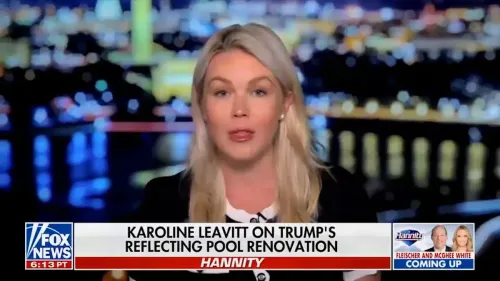
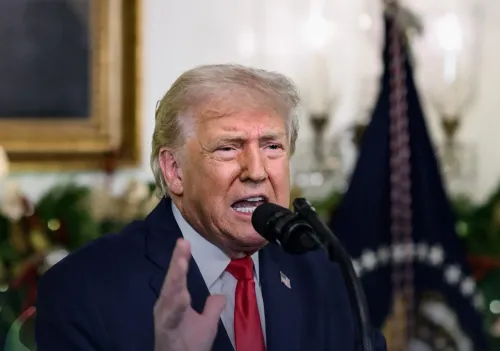
Washington, D.C. — U.S. President Donald Trump announced on April 24, 2025, that the iconic Lincoln Memorial Reflecting Pool has been successfully refurbished for just $1.5 million — a staggering $298.5 million less than the original government estimate of $300 million. The project, completed in roughly two weeks, was presented by Trump in a pre-recorded social media video as a defining example of applying private-sector efficiency to federal infrastructure spending.
A Landmark in Disrepair
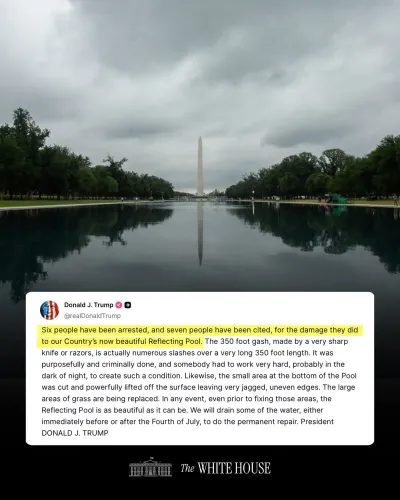
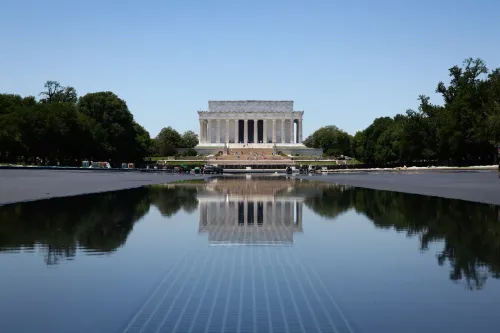
The Lincoln Memorial Reflecting Pool, constructed in 1922 and stretching over 2,000 feet across the National Mall in Washington, D.C., had long been plagued by structural deterioration and persistent maintenance failures. Trump described the pool as having been "filthy, dirty" and leaking "like a sieve for many years" before the intervention.
The President said he personally visited the site alongside senior officials, including Interior Secretary Doug Burgum, who confirmed the pool had been non-functional for an extended period. The pool had been drained of water at the time of inspection, underscoring the severity of its condition.
The Original $300 Million Proposal vs. Trump's Approach
Federal officials had initially proposed a full-scale restoration that involved removing and replacing the pool's existing granite structure — a plan estimated to cost $300 million and take more than three years to complete. Trump rejected this approach outright.
Instead, the President turned to private contractors with whom he had previously worked on swimming pool construction projects. "I said, what we're going to do is I'm going to call all three of these people that have worked for me in the past, doing swimming pools. Give me a good price," Trump explained in the video.
The revised methodology focused on restoring the existing granite rather than replacing it. Workers scrubbed the surface of the original granite, grouted all joints, and applied what Trump described as an "industrial-grade swimming pool topping" — a process completed in approximately two weeks at a total cost of $1.5 million.
Aesthetic Overhaul: 'American Flag Blue'
Beyond structural repairs, Trump emphasized the visual transformation of the pool. He claimed the refurbished pool would look "far more beautiful" than it did when originally built in 1922. The chosen finish color was described as "American Flag Blue", a patriotically symbolic choice for one of the nation's most visited landmarks.
Trump projected the restoration would last 40 to 50 years without leaks or significant maintenance issues — a durability claim that, if accurate, would represent exceptional long-term value compared to the originally proposed plan.
Private Sector Methods in Government Works
Trump framed the entire exercise as a broader argument for restructuring how the federal government approaches infrastructure projects. "It's a story on business," he said, suggesting that the entrenched bureaucratic procurement process inflates costs and timelines unnecessarily.
This narrative aligns with the broader agenda of the Department of Government Efficiency (DOGE), which has been scrutinizing federal spending across multiple agencies. The Lincoln Memorial pool project is being positioned as a replicable model — one that bypasses traditional procurement channels in favor of direct engagement with proven private contractors.
Critics and government oversight advocates, however, are likely to raise questions about whether proper environmental reviews, historical preservation protocols, and competitive bidding processes — typically mandated for federal monument restorations overseen by the National Park Service and the Department of the Interior — were followed in this accelerated timeline.
Historical Significance of the Reflecting Pool
The Lincoln Memorial Reflecting Pool is among the most symbolically significant public spaces in the United States. It served as the backdrop for the 1963 March on Washington, where Dr. Martin Luther King Jr. delivered his landmark "I Have a Dream" speech — a moment Trump himself referenced in his video. The pool draws millions of visitors annually and is a central feature of the federally protected National Mall.
Large-scale restoration work at such monuments typically requires multi-agency coordination, including compliance with the National Historic Preservation Act and environmental impact assessments. The speed and cost of this project will likely invite scrutiny from preservation groups, congressional oversight committees, and independent auditors in the weeks ahead.
As the Trump administration continues to push its cost-cutting agenda across federal departments, the Lincoln Memorial Reflecting Pool refurbishment will serve as a key test case — either validating the private-sector approach or raising accountability questions about corners cut on a nationally treasured landmark.
Point of View
Environmental reviews, and competitive bidding requirements that exist precisely to protect taxpayer interests and national heritage. If the shortcuts hold up to scrutiny, it's a genuine governance win. If they don't, this becomes a symbol of accountability gaps dressed up as efficiency. The mainstream narrative is celebrating the savings; NationPress is watching for the audit.
NationPress
3 Oct 2026
Frequently Asked Questions
How much did Trump's Lincoln Memorial Reflecting Pool refurbishment cost?
President Trump stated the refurbishment cost just $1.5 million, compared to an original federal estimate of $300 million. The project was completed in approximately two weeks using private swimming pool contractors.
What was wrong with the Lincoln Memorial Reflecting Pool?
The pool, built in 1922, had suffered from long-term structural deterioration, persistent leaks, and accumulated dirt, rendering it non-functional. Trump described it as 'filthy, dirty' and leaking 'like a sieve for many years.'
What color is the Lincoln Memorial Reflecting Pool after restoration?
Trump announced the restored pool was finished in a color he called 'American Flag Blue.' He said the industrial-grade coating is expected to last 40 to 50 years without leaks.
Who is Doug Burgum and what role did he play in the pool restoration?
Doug Burgum is the U.S. Secretary of the Interior, who accompanied President Trump during a personal site inspection of the Lincoln Memorial Reflecting Pool. Burgum confirmed the pool had been non-functional for many years.
Why is the Lincoln Memorial Reflecting Pool historically significant?
The Lincoln Memorial Reflecting Pool is the site of the 1963 March on Washington, where Dr. Martin Luther King Jr. delivered his iconic 'I Have a Dream' speech. Built in 1922, it is one of the most visited landmarks on the National Mall in Washington, D.C.