Jabil's AI data centre plant in Maharashtra: India eyes global electronics hub
Synopsis
India's AI manufacturing push just got a high-profile milestone: Jabil's new Ranjangaon plant will build components for AI data centres — and the company is already the top earner under India's Telecom PLI scheme at ₹235.87 crore. With a Gujarat plant also nearing completion and ₹2,000 crore committed, Jabil is quietly becoming one of the defining bets on India's electronics ambitions.
Key Takeaways
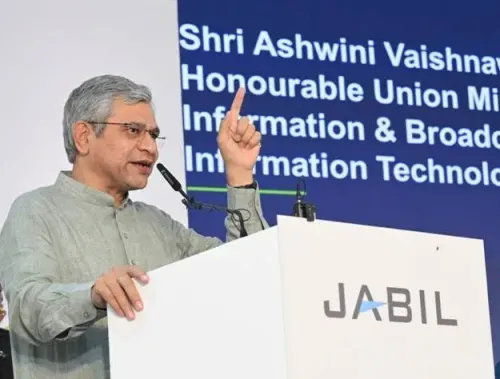
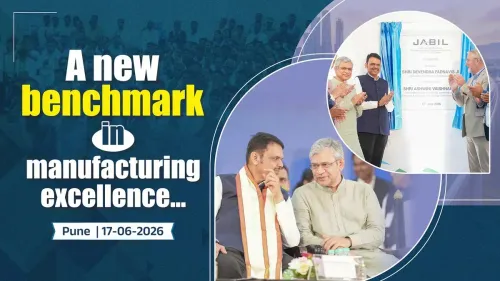
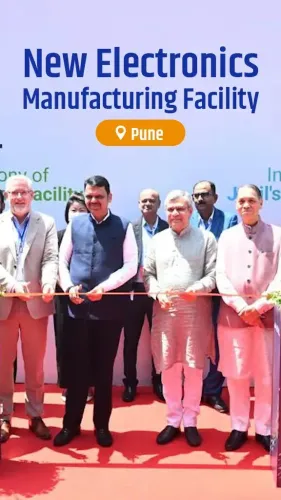
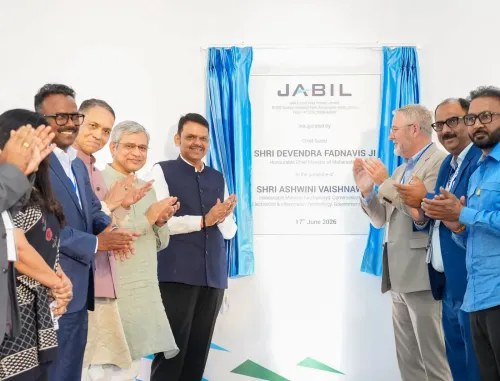
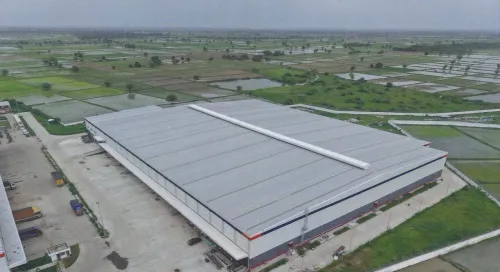
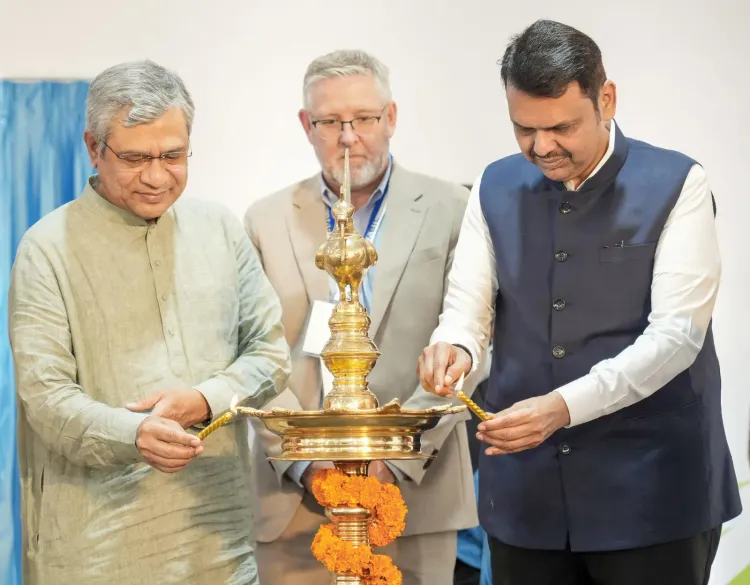
Ashwini Vaishnaw and Maharashtra CM Devendra Fadnavis inaugurated Jabil's advanced manufacturing facility at Ranjangaon near Pune on 17 June .
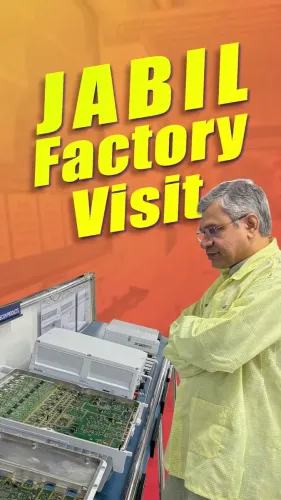
The plant will manufacture components for AI data centres , aligned with the 'Make in India, Make for the World' vision.
Jabil has committed more than ₹2,000 crore in India for Silicon Photonics and Electronic Manufacturing Services .
Jabil received ₹235.87 crore in Telecom PLI incentives over two financial years — the highest among all scheme beneficiaries, according to Department of Telecommunications data.
A separate Jabil plant at Sanand, Gujarat was also reported to be nearing completion.
Jabil operates in over 25 countries with more than 1,40,000 employees globally.
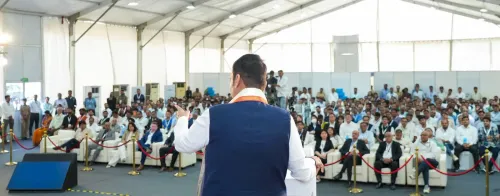
Union Minister for Electronics and Information Technology Ashwini Vaishnaw on Wednesday, 17 June inaugurated global manufacturing company Jabil's new advanced manufacturing facility at Ranjangaon near Pune, Maharashtra — a high-tech plant that will produce components for artificial intelligence (AI) data centres. The move, he said, advances India's ambition to become a trusted global partner in electronics manufacturing under Prime Minister Narendra Modi's 'Make in India, Make for the World' vision.
What the New Facility Will Produce
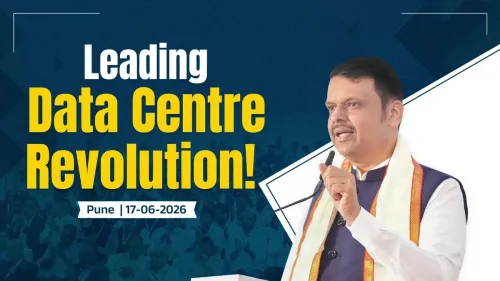
The Ranjangaon plant is designed to manufacture components specifically used in AI data centre infrastructure — a segment seeing explosive global demand as enterprises and governments race to build out AI computing capacity. Maharashtra Chief Minister Devendra Fadnavis joined Vaishnaw at the inauguration ceremony.
'India to be a trusted global partner in everything electronics. Inaugurated Jabil's new advanced manufacturing facility with Maharashtra CM Dev Fadnavis. This high-tech plant will manufacture components of AI data centers, in line with PM Narendra Modi's vision of Make in India, Make for the World,' Vaishnaw said in a post on social media platform X.
Jabil's Growing India Footprint
The Ranjangaon facility is not Jabil's first bet on India. The company was previously announced to be investing more than ₹2,000 crore in the country for Silicon Photonics and Electronic Manufacturing Services (EMS). A separate Jabil manufacturing plant at Sanand in Gujarat was also reported to be nearing completion around the same time.
Globally, Jabil operates more than 100 locations across over 25 countries and employs more than 1,40,000 people. Its client base spans healthcare, packaging, smartphones, cloud equipment, automotive, and home appliances — making it one of the world's most diversified contract manufacturers.
PLI Scheme: Jabil's Record Incentives
Jabil has also emerged as the single largest beneficiary under the government's Telecom Production-Linked Incentive (PLI) Scheme. According to Department of Telecommunications data, the company received ₹235.87 crore in incentives over two financial years — the highest disbursement among all companies covered under the scheme.
This comes amid a broader government push to attract global electronics majors to India as an alternative to China-dominated supply chains, with PLI outflows accelerating across telecom, semiconductors, and IT hardware.
Why This Matters for India's Tech Ambitions
The inauguration signals a strategic shift: India is no longer positioning itself solely as a low-cost assembly hub but as a manufacturer of high-value, high-complexity components that power next-generation AI infrastructure. Notably, this is the second major Jabil expansion announced in India within roughly a year, underscoring growing investor confidence in the country's electronics ecosystem.
As global demand for AI computing infrastructure intensifies, India's ability to supply critical components could place it at the centre of a multi-trillion-dollar technology supply chain in the years ahead.
Point of View
But the more telling number is ₹235.87 crore — Jabil's PLI payout, the largest under the Telecom scheme. That figure reveals how heavily India's electronics push currently rests on a handful of large foreign contract manufacturers rather than a broad domestic supplier base. The real test of 'Make in India, Make for the World' is whether this wave of foreign investment catalyses deep-tier local component makers, or whether India remains a final-assembly and services node while core IP and upstream manufacturing stay abroad. AI data centre components are a step up the value chain — but the distance to designing and owning that technology is still considerable.
NationPress
17 Sept 2026
Frequently Asked Questions
What will Jabil's new Ranjangaon plant manufacture?
The facility at Ranjangaon near Pune will manufacture components used in artificial intelligence (AI) data centres. It was inaugurated on 17 June by Union Minister Ashwini Vaishnaw and Maharashtra Chief Minister Devendra Fadnavis.
How much has Jabil invested in India?
Jabil has committed more than ₹2,000 crore in India for Silicon Photonics and Electronic Manufacturing Services. This covers multiple facilities, including the new Ranjangaon plant and a separate unit at Sanand in Gujarat.
What is the Telecom PLI Scheme and how has Jabil benefited?
The Telecom Production-Linked Incentive (PLI) Scheme offers financial incentives to companies that manufacture telecom and related electronics products in India. Jabil received ₹235.87 crore over two financial years — the highest payout among all beneficiaries under the scheme, according to Department of Telecommunications data.
Why is India focusing on AI data centre component manufacturing?
Global demand for AI computing infrastructure is rising rapidly, creating a large market for the components that power data centres. By manufacturing these components domestically, India aims to embed itself in high-value global technology supply chains and reduce dependence on imports.
What is the 'Make in India, Make for the World' vision?
It is Prime Minister Narendra Modi's policy framework that seeks to position India as a global manufacturing hub — not just for domestic consumption but for export to world markets. The Jabil facility is cited by the government as a concrete example of this vision in advanced electronics.