Vaishnaw Hails Vande Bharat, Amrit Bharat as Bharat's Pride
Synopsis
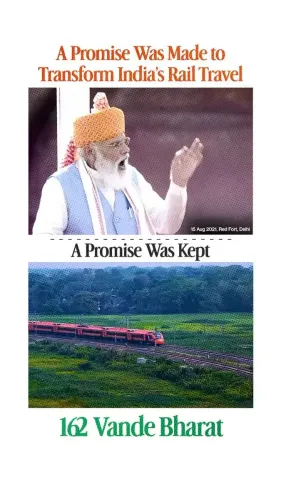
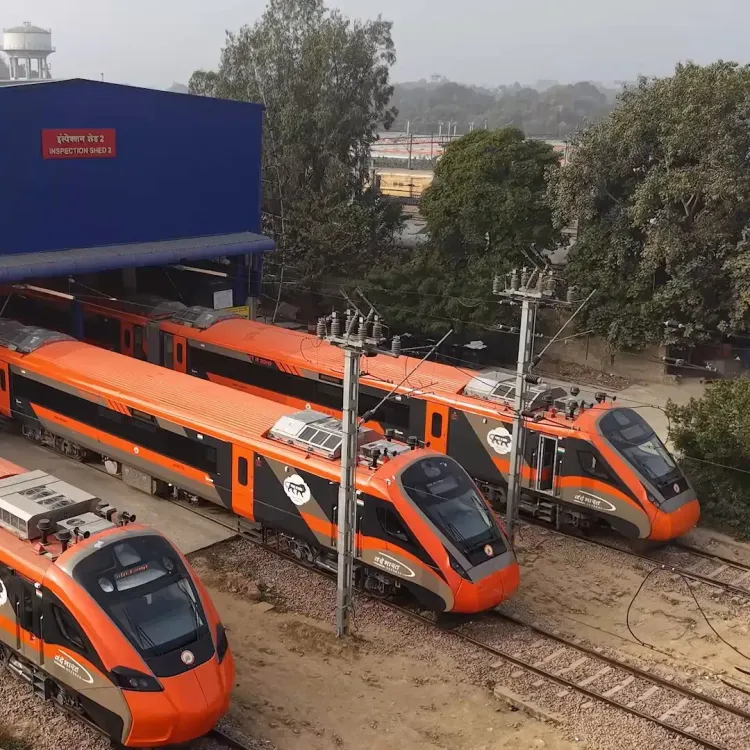
Union Minister Ashwini Vaishnaw has called Vande Bharat and Amrit Bharat trains 'Bharat's pride,' crediting PM Modi's belief in Indian engineers and welders for the fleet's expansion to nearly every state — a milestone in India's decade-long railway self-reliance drive.
Key Takeaways
Union Minister Ashwini Vaishnaw described Vande Bharat and Amrit Bharat trains as 'Bharat's pride' in a post on June 10, 2026 .
He credited PM Narendra Modi's belief in Indian engineers and welders as the driving force behind the programme.
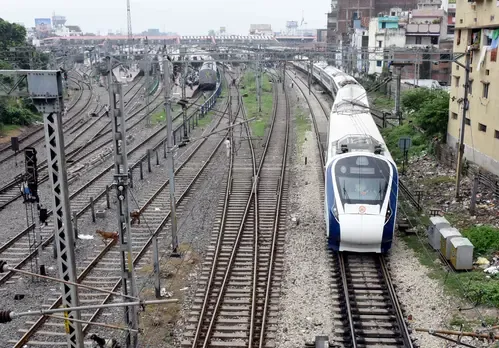
The Vande Bharat Express was first launched in 2019 on the New Delhi–Varanasi route as India's first indigenously built semi-high-speed train.
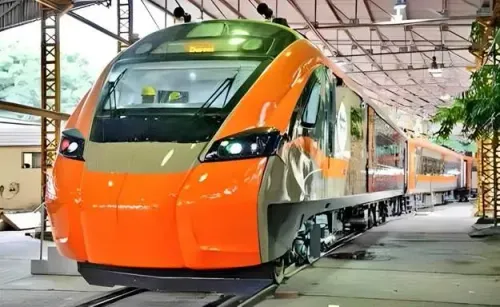
The Amrit Bharat platform targets affordable long-distance travel, extending modern rolling stock to second- and third-class passengers.
Both programmes are rooted in the Atmanirbhar Bharat and Make in India policy frameworks formalised in 2020 .
Further route expansions and possible integration with high-speed corridor projects are expected in upcoming railway budgets.
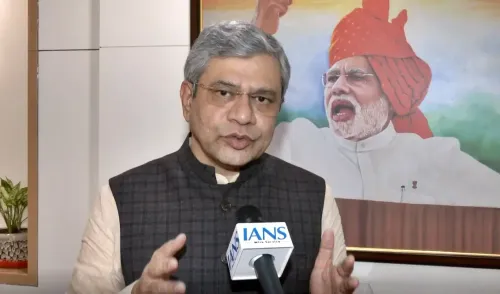
Union Minister Ashwini Vaishnaw on Wednesday, June 10, 2026, publicly highlighted India's indigenously built Vande Bharat and Amrit Bharat trains as a symbol of national pride, crediting Prime Minister Narendra Modi's confidence in Indian engineers and welders for the trains' pan-India expansion.
Context
The minister's post, framed as point five in a series, described the two train families as 'Bharat's pride' and noted they are 'running in nearly every state.' The remark underscores the government's consistent messaging that domestic manufacturing capability — not imported technology — now drives India's passenger rail network.
Vaishnaw specifically invoked PM Modi's belief in frontline railway workers, singling out engineers and welders as the human backbone of the programme. The acknowledgement is notable because large-scale rolling stock programmes are typically discussed in terms of policy and finance rather than skilled labour.
Policy Backdrop
The Vande Bharat Express was first introduced in 2019, with the inaugural run connecting New Delhi and Varanasi. Designed and built domestically, it marked India's entry into semi-high-speed rail without dependence on foreign original equipment manufacturers.
The Atmanirbhar Bharat and Make in India programmes, formalised in 2020, provided the policy scaffolding that accelerated indigenous coach production across both the Vande Bharat and the newer Amrit Bharat platforms. Amrit Bharat trains are aimed at affordable, upgraded long-distance travel, broadening the reach of modern rolling stock beyond premium corridors.
Successive Union Budgets have allocated funds to expand both fleets alongside parallel investments in station redevelopment and Dedicated Freight Corridors, reflecting a multi-track modernisation strategy rather than a single flagship project.
Stakeholders and Impact
The most direct beneficiaries are the millions of Indian Railways passengers who gain access to air-conditioned, faster, and safer coaches on routes that previously relied on ageing rolling stock. The Amrit Bharat design, in particular, targets second- and third-class travellers, making modern amenities accessible across income groups.
For Indian Railways engineers and welders — the group Vaishnaw specifically cited — the programme represents a sustained pipeline of skilled work produced within domestic manufacturing facilities. The shift from procurement to indigenous production has implications for employment, technology transfer, and long-term maintenance ecosystems inside India.
What's Next
Railway observers will watch upcoming budget sessions for further route additions for both train families, as well as any announced integration with proposed high-speed corridor projects. The government's emphasis on self-reliance in rail engineering suggests the fleet expansion will remain a centrepiece of infrastructure messaging through the current term.
With both platforms now operating across a wide swathe of the country, the policy conversation is expected to shift toward frequency, last-mile connectivity, and eventual high-speed upgrades — areas where domestic engineering capacity will again be the deciding variable.
Point of View
The messaging deliberately humanises what is otherwise a large procurement and policy programme. The Vande Bharat and Amrit Bharat trains have become reliable political shorthand for the BJP's Atmanirbhar Bharat narrative — a pairing of national pride with visible, everyday infrastructure that voters across income groups can directly experience. The continued emphasis on pan-India coverage signals that geographic reach, not just technical achievement, is now the benchmark the government is setting for itself.
NationPress
24 Oct 2026
Frequently Asked Questions
What is the Vande Bharat train and which states does it run in?
Vande Bharat is India's indigenously designed semi-high-speed train first launched in 2019. The government has been expanding its network and the minister's post states it is now running in nearly every state, though exact state-wise coverage should be confirmed with official Indian Railways data.
What is the difference between Vande Bharat and Amrit Bharat trains?
Vande Bharat is a semi-high-speed train primarily serving premium intercity corridors, while Amrit Bharat is designed for affordable long-distance travel targeting second- and third-class passengers on longer routes.
Who manufactures Vande Bharat trains in India?
Vande Bharat trains are manufactured domestically under the Make in India and Atmanirbhar Bharat programmes, primarily at Indian Railways' own production units and with Indian engineers and welders, reducing dependence on foreign original equipment manufacturers.
What did Ashwini Vaishnaw say about Vande Bharat on June 10 2026?
Union Minister Ashwini Vaishnaw called Vande Bharat and Amrit Bharat trains 'Bharat's pride' and credited PM Modi's belief in Indian engineers and welders for the trains' expansion to nearly every state across India.
What is the Amrit Bharat train scheme?
Amrit Bharat is a new train design initiative by Indian Railways aimed at providing upgraded, affordable long-distance services, bringing modern amenities to passengers travelling in lower fare classes on longer routes.