Modi welcomes US-Iran deal, urges peace and stability in West Asia
Synopsis
India has formally welcomed the US-Iran understanding that would reopen the Strait of Hormuz — a critical artery for Indian crude imports — and end the US naval blockade. With no official text released and Iran's nuclear programme left unaddressed, the deal's durability remains an open question even as global energy markets brace for relief.
Key Takeaways
PM Narendra Modi welcomed the US-Iran understanding on 15 June from Bratislava , calling for peace and freedom of navigation in West Asia .
US President Donald Trump announced the deal on Truth Social , authorising the reopening of the Strait of Hormuz and removal of the US naval blockade.
The deal is set to be formally signed on Friday , with mine-removal operations linked to the Strait's reopening.
No official agreement text was released; Iran's nuclear programme and US sanctions were not addressed in Trump's statements.
India is a major importer of Gulf crude and has a direct stake in the restoration of free navigation through the Strait of Hormuz.
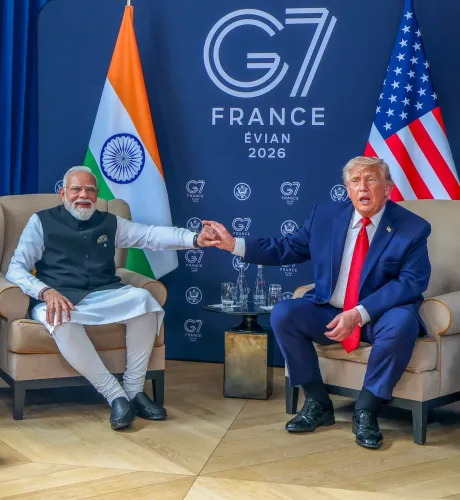
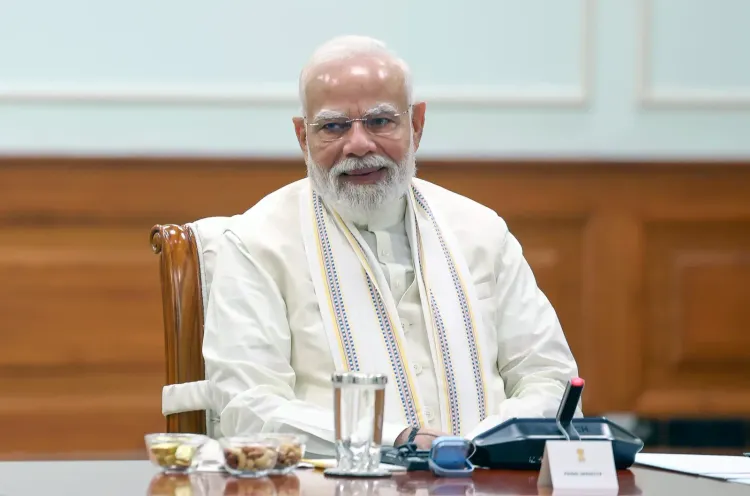
Prime Minister Narendra Modi on Monday, 15 June welcomed the understanding reached between the United States and Iran to end the conflict in West Asia, expressing India's hope that its implementation would restore peace, stability, and freedom of navigation in the region. Modi's statement came from Bratislava, where he is currently on an official visit.
What Modi Said
Posting on X, Modi said he welcomed the understanding 'which has caused serious economic disruption across the world and led to loss of life in many countries.' He called for the implementation of the agreement to 'ensure the freedom of navigation and commerce' and expressed hope that 'deliberations on the remaining issues' would reach 'a sustainable final agreement.'
The US-Iran Deal: Key Details
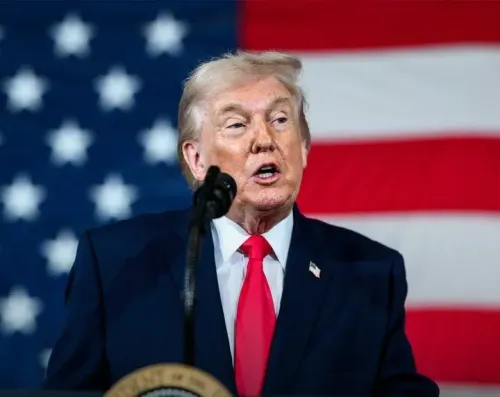
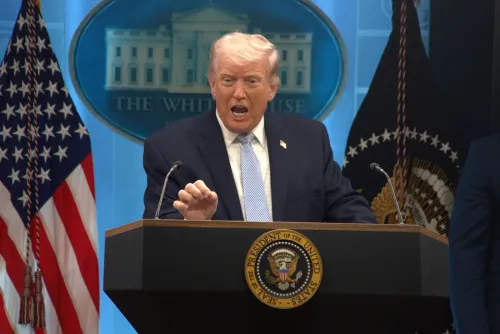
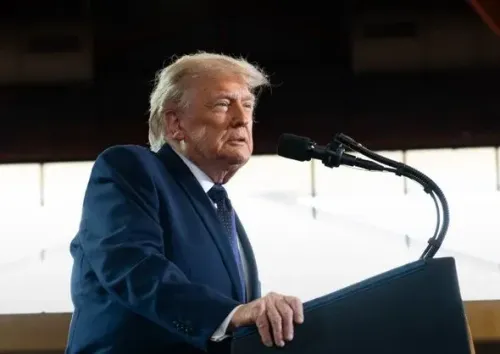
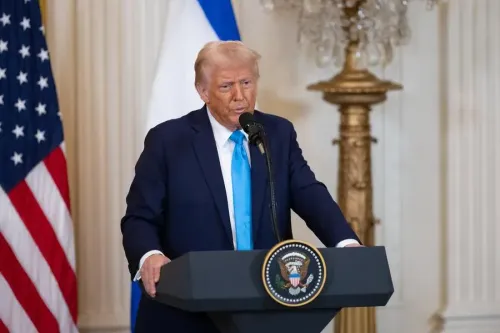
US President Donald Trump announced the agreement on his Truth Social platform, declaring that the deal was 'complete' and authorising the 'toll free opening of the Strait of Hormuz' along with the 'immediate removal of the United States Naval blockade.' Trump indicated the agreement would be formally signed on Friday, with the reopening of the Strait linked to mine-removal operations in the waterway.
In a follow-up post, Trump described the deal as a historic diplomatic breakthrough, writing: 'This Great Deal will bring Peace and Security to the whole Region.' He also claimed, 'Many presidents have tried to make Peace with Iran, and all have failed before me.'
What Remains Unclear
The White House did not immediately release an official text of the agreement, and Trump's statements did not address longstanding flashpoints between Washington and Tehran — including Iran's nuclear programme and US sanctions. The immediate focus of the deal appears to be restoring commercial shipping through the Strait of Hormuz and clearing naval mines from the waterway.
Why This Matters for India
The Strait of Hormuz is a critical chokepoint for global energy flows, with a significant share of India's crude oil imports transiting through it. Months of conflict in West Asia had rattled global energy markets and raised fears of a wider regional war, directly affecting India's import costs and supply chains. A restoration of free navigation would ease pressure on Indian energy security.
What Comes Next
The formal signing of the deal is scheduled for Friday, after which mine-clearance operations are expected to begin in the Strait. Broader issues — including Iran's nuclear programme and the architecture of US sanctions — remain unresolved and are likely to define the durability of this agreement. India, as a major stakeholder in West Asian stability and a significant importer of Gulf energy, will be closely watching whether the understanding translates into a lasting settlement.
Point of View
As announced, is thin on substance: no text, no nuclear framework, no sanctions roadmap. Trump's framing as a personal diplomatic triumph sidesteps the structural tensions that have defined the US-Iran relationship for four decades. Modi's call for a 'sustainable final agreement' is diplomatic code for exactly that concern — that a Strait-reopening announcement without a broader settlement risks being a ceasefire, not a resolution.
NationPress
15 Sept 2026
Frequently Asked Questions
What is the US-Iran deal announced by President Trump?
US President Donald Trump announced on 15 June that the United States and Iran had completed a deal to reopen the Strait of Hormuz and end the US naval blockade of the waterway. The formal signing is scheduled for Friday, after which mine-removal operations in the Strait are expected to begin.
What did PM Modi say about the US-Iran deal?
Prime Minister Narendra Modi welcomed the understanding in a post on X, saying it had 'caused serious economic disruption across the world and led to loss of life in many countries.' He expressed India's hope that implementation would restore peace, stability, and freedom of navigation, and called for remaining issues to reach a 'sustainable final agreement.'
Does the deal address Iran's nuclear programme or US sanctions?
No. Trump's statements on Truth Social did not address Iran's nuclear programme or the framework of US sanctions against Tehran. The immediate focus of the announced deal appears limited to restoring commercial shipping through the Strait of Hormuz.
Why does the Strait of Hormuz matter to India?
The Strait of Hormuz is a critical global energy chokepoint through which a significant portion of India's crude oil imports transit. Months of conflict in West Asia had disrupted energy markets and raised India's import costs, making the restoration of free navigation a direct economic interest for New Delhi.
When will the US-Iran deal be formally signed?
According to President Trump's statements, the deal is scheduled to be formally signed on Friday. The reopening of the Strait of Hormuz is linked to mine-removal operations that are expected to follow the signing.