Delhi CNG price crosses ₹80/kg: IGL's 2nd hike in 48 hours amid Hormuz crisis
Synopsis
Delhi's CNG price has crossed ₹80 per kg for the first time ever — and it took just two IGL hikes in 48 hours to get there. With Brent crude past $100 a barrel and the Strait of Hormuz under blockade, India's fuel pricing pressure is far from over. The government says it has cushioned the blow; commuters paying ₹3 more per kg in two days may disagree.
Key Takeaways
IGL raised CNG prices by Re 1 per kg on 17 May , the second hike in 48 hours .
Delhi CNG now costs ₹80.09 per kg — crossing the ₹80 mark for the first time; Noida and Ghaziabad at ₹88.70 per kg .
Petrol in Delhi retails at ₹97.77 per litre and diesel at ₹90.67 per litre after 15 May hikes.
The Strait of Hormuz blockade and Brent crude crossing $100 per barrel are the primary global triggers.
Kiren Rijiju defended the hikes, citing India's 3.2%–3.4% increase as modest against global rises of up to 100% .
Public sector oil marketing companies reportedly absorbed losses for weeks before the price revision.
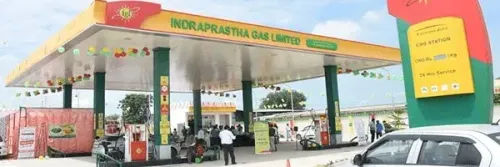
Indraprastha Gas Limited (IGL) on Sunday, 17 May raised compressed natural gas (CNG) prices by Re 1 per kg across its network in the Delhi-NCR region, pushing the Delhi rate past the ₹80-mark for the first time. The revision — the second in under 48 hours — compounds fuel cost pressures on millions of commuters, cab operators, and public transport users who rely on CNG daily.
The Latest Revision and Current Rates
Following Sunday's hike, CNG in Delhi now costs ₹80.09 per kg, crossing the psychologically significant ₹80 threshold. In Noida and Ghaziabad, the revised rate stands at ₹88.70 per kg. This comes just two days after IGL had already raised Delhi CNG prices by ₹2 per kg on 15 May, when the rate moved to ₹79.09 per kg. In effect, Delhi commuters have absorbed a ₹3 per kg increase in CNG costs within two days.
Petrol and Diesel Also Surge
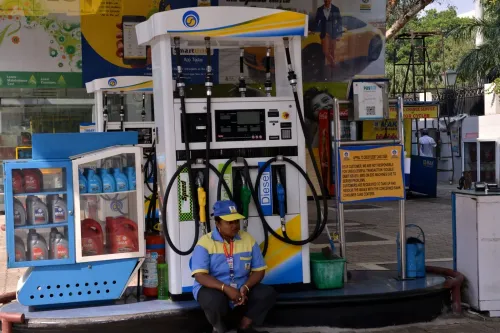
The CNG revisions coincide with a broader retail fuel price increase announced by the Centre on 15 May. Petrol in Delhi was raised by approximately ₹3 per litre and now retails at ₹97.77 per litre, while diesel — up by nearly ₹3 per litre — costs ₹90.67 per litre. The simultaneous hikes across fuel categories mark a significant inflationary moment for household and commercial transport budgets across the capital.
The Global Trigger: Strait of Hormuz Blockade
The fuel price surge is directly linked to escalating tensions in West Asia and the continuing blockade of the Strait of Hormuz, one of the world's most critical energy transit corridors. Nearly one-fifth of global oil and gas trade passes through the narrow waterway, and supply disruptions have driven international crude oil prices sharply higher, with Brent crude crossing the $100 per barrel mark. India, as a major crude importer, is acutely exposed to such supply shocks.
Government's Defence of the Hikes
Responding to public criticism over rising fuel costs, Kiren Rijiju argued that India has managed to contain the increase relative to global peers. He noted that several countries have seen fuel prices rise by anywhere between 20 per cent and nearly 100 per cent, while India's petrol and diesel prices rose by only 3.2 per cent and 3.4 per cent, respectively. Rijiju added that even as global markets turned volatile, India's public sector oil marketing companies absorbed significant losses for weeks to shield consumers from a larger inflationary shock.
Impact on Commuters and What Comes Next
The back-to-back hikes are already straining household budgets, particularly for auto-rickshaw drivers, app-based cab operators, and daily wage earners dependent on CNG-run public transport. This is the first time Delhi CNG has crossed the ₹80 threshold, a milestone that analysts say could accelerate fare revisions in the shared mobility sector. Whether further hikes follow will depend on the trajectory of global crude prices and the duration of the Hormuz disruption — both of which remain uncertain.
Point of View
The relevant comparison is not Nairobi or Ankara; it is last week's fuel bill. Two hikes in 48 hours, totalling ₹3 per kg on CNG, signal that the insulation provided by state-owned oil companies has reached its limit. The Hormuz blockade is a genuine external shock, but the speed of pass-through raises questions about whether the government is also using the geopolitical cover to unwind the subsidised pricing that held through election season. That question deserves a direct answer.
NationPress
26 Sept 2026
Frequently Asked Questions
Why did IGL hike CNG prices twice in 48 hours?
IGL raised CNG prices by ₹2 per kg on 15 May and by Re 1 per kg on 17 May in response to a sharp rise in international crude oil prices triggered by the Strait of Hormuz blockade and escalating West Asia tensions. Brent crude has crossed $100 per barrel, pushing up input costs for city gas distributors.
What is the current CNG price in Delhi, Noida, and Ghaziabad?
As of 17 May, CNG in Delhi costs ₹80.09 per kg, crossing the ₹80 threshold for the first time. In Noida and Ghaziabad, the revised rate is ₹88.70 per kg.
How much have petrol and diesel prices risen in Delhi?
Petrol and diesel prices in Delhi were raised by approximately ₹3 per litre each on 15 May. Petrol now retails at ₹97.77 per litre and diesel at ₹90.67 per litre.
What is the Strait of Hormuz and why does it affect India's fuel prices?
The Strait of Hormuz is a narrow waterway through which nearly one-fifth of global oil and gas trade passes. Its ongoing blockade amid West Asia tensions has disrupted supply and driven Brent crude above $100 per barrel, directly raising import costs for India, which is a major crude oil buyer.
What did the government say about the fuel price hikes?
Kiren Rijiju defended the revisions, stating that India's petrol and diesel prices rose by only 3.2% and 3.4% respectively, far below increases of 20% to nearly 100% seen in other countries. He added that public sector oil marketing companies had absorbed significant losses for weeks before the hikes were passed on to consumers.