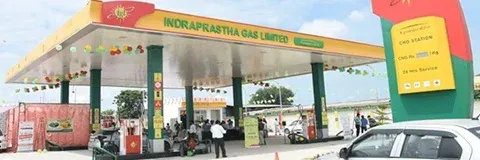
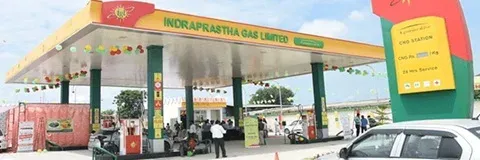
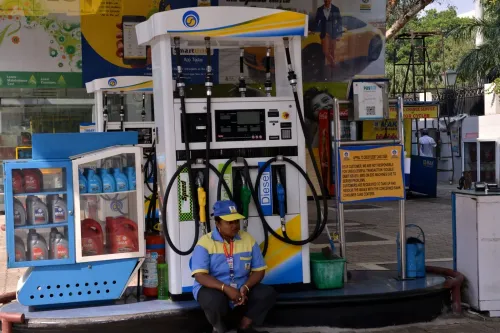
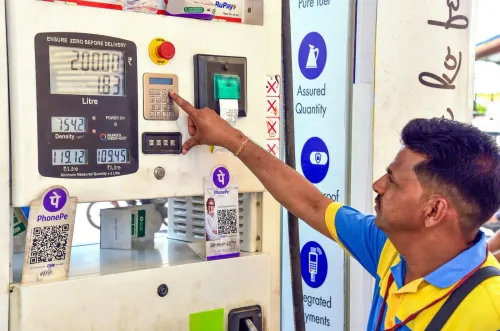
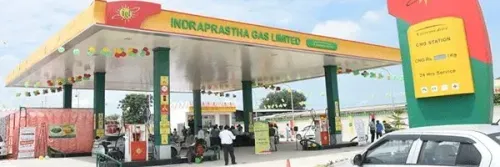
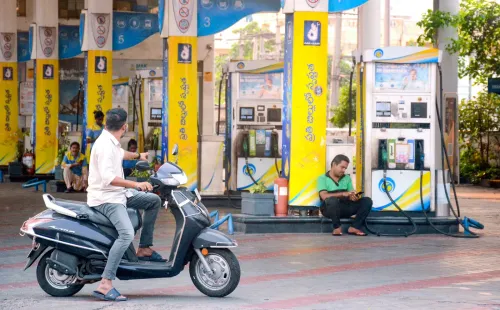
Fuel price hike squeezes Delhi-NCR commuters and CNG drivers

Synopsis
CNG has surged ₹8–9 in just a couple of weeks in Delhi-NCR, nearly erasing the price gap with petrol — the very advantage that drove lakhs of drivers to switch fuels. With ride-hailing platforms holding fares flat and vehicle instalments due, the city's CNG taxi ecosystem is under real financial stress.
Key Takeaways
CNG prices in Delhi-NCR have risen by approximately ₹8 to ₹9 over the past couple of weeks, according to commuters.
The price gap between CNG and petrol has narrowed sharply, undermining CNG's cost advantage.
Taxi drivers report that Ola and Uber fares have not risen to offset higher CNG operational costs.
Residents in Ghaziabad say repeated hikes are making vehicle instalment payments and household expenses unmanageable.
The impact is being felt across income groups, with LPG , petrol, and diesel costs all rising simultaneously.
Some residents attribute the hikes partly to global factors, including ongoing international tensions.
Rising prices of petrol, diesel, and CNG are tightening household budgets and threatening livelihoods for commuters and transport workers across Delhi and neighbouring Ghaziabad, with residents reporting that repeated hikes are making daily life increasingly difficult. The concern spans taxi drivers, daily wage earners, and middle-class families alike, according to ground-level accounts gathered on 26 May.
CNG Drivers Bear the Sharpest Burden
Taxi drivers operating on CNG say they are caught in a squeeze: operational costs are climbing sharply while ride-hailing platforms have not revised fares upward to match. 'CNG prices are rising, but Ola and Uber fares are not increasing,' one Delhi taxi driver said, adding that the government had not responded to their concerns. Another driver described the situation as a serious difficulty for ordinary people, questioning how work could continue if prices kept rising at the current pace.
In Ghaziabad, the strain runs deeper for drivers who depend on their vehicles for income. 'CNG prices have increased many times. We are unable to run our vehicles properly. We are not even able to pay our vehicle instalments, and managing household expenses has become very difficult,' a local driver said.
The Price Gap Between CNG and Petrol Is Narrowing
A key concern flagged by commuters is that CNG — long considered the affordable alternative to petrol — is losing that cost advantage rapidly. One commuter estimated that CNG had risen by around ₹8 to ₹9 in the past couple of weeks, saying there was 'hardly any difference left now between petrol and CNG.' This erosion of the price differential undermines the core reason many drivers and fleet operators switched to CNG in the first place.
Impact Felt Across Income Groups
Residents stressed that the burden is not limited to transport workers. 'Everyone, from the middle class onward, is being affected. People may not be openly saying it, but it is impacting everyone — whether it is LPG cylinders, petrol, or diesel,' one resident said. The convergence of fuel, cooking gas, and transport costs is compressing disposable income across households that were already managing tight budgets.
Global Context Cited, but Local Relief Demanded
Some residents acknowledged the global dimension of the price surge, pointing to ongoing international tensions as a contributing factor. 'This is not only India's crisis but a worldwide one,' a Ghaziabad resident said, while also noting that the frequency of hikes — reportedly ₹2 to ₹3 every second or third day for CNG — was excessive. Others compared India's situation favourably to neighbouring countries, though they stopped short of dismissing the domestic hardship. This comes amid a broader pattern of energy cost volatility that has periodically strained urban transport ecosystems in Indian cities over the past two years.
Point of View
Not cyclical. CNG was always the policy-backed pressure valve for urban transport — the fuel that kept auto and taxi fares politically manageable. As that price advantage evaporates, the government faces an uncomfortable choice: allow ride-hailing platforms to raise fares (inflationary, politically sensitive) or absorb the cost through subsidy (fiscally costly). Neither option is comfortable. What is missing from the official response so far is any acknowledgement that the CNG squeeze is a policy problem, not just a global one. Blaming international tensions explains the direction of prices; it does not explain the pace or the absence of relief measures for a workforce that has no fallback.
NationPress
26 Oct 2026
Frequently Asked Questions
How much have CNG prices risen in Delhi-NCR recently?
CNG prices in Delhi-NCR have reportedly risen by around ₹8 to ₹9 over just a couple of weeks, according to commuters. Residents also report incremental hikes of ₹2 to ₹3 occurring every second or third day.
Why are CNG taxi drivers particularly affected by the fuel price hike?
CNG taxi drivers face a double squeeze: their fuel costs have risen sharply while ride-hailing platforms such as Ola and Uber have not increased fares correspondingly. This means drivers are absorbing the higher operational costs entirely from their own earnings.
Is the CNG price hike only an India-specific problem?
Residents and observers have noted that global factors, including international geopolitical tensions, are contributing to the price rise. However, the frequency and pace of hikes in India — reportedly every few days — have drawn criticism locally, with many calling for government intervention.
Which areas are most affected by the fuel price hike?
Commuters and transport workers in Delhi and Ghaziabad have been among the most vocal about the impact. The concern spans taxi drivers, daily commuters, and middle-class households managing rising LPG, petrol, and diesel costs simultaneously.
What is the significance of the narrowing gap between CNG and petrol prices?
CNG was adopted widely by taxi and auto drivers precisely because it was significantly cheaper than petrol. As that gap shrinks, the economic rationale for CNG vehicles weakens, threatening the financial viability of drivers who invested in CNG-compatible vehicles and may still be repaying loans on them.