NDA leaders defend petrol-diesel price hike, cite global oil crisis
Synopsis
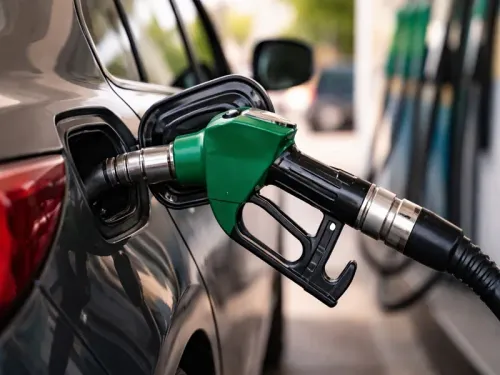
As petrol and diesel prices rise by ₹3 per litre, NDA leaders are pushing back hard — comparing India's modest hike to increases of 25–40% in neighbouring countries. The coordinated defence frames Modi's management as a shield against a global energy shock. Whether that framing holds depends on what the government does next with reserves and relief measures.
Key Takeaways
NDA leaders on 15 May defended the recent petrol and diesel price hike, attributing it to global crude oil volatility driven by West Asia conflicts.
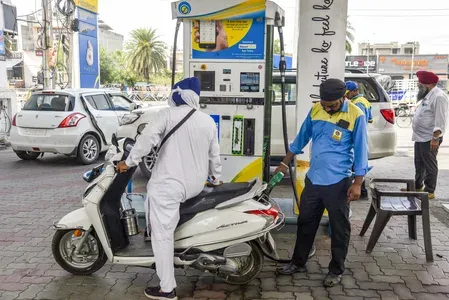
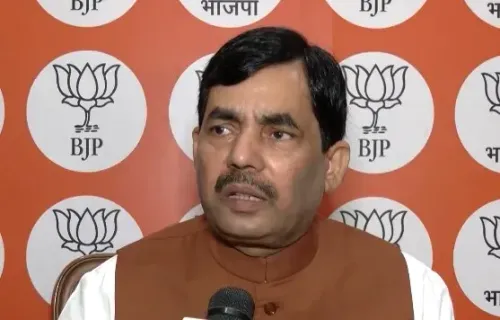
BJP leader Syed Shahnawaz Hussain said India's domestic fuel prices rose by only ₹3 per litre , far below global averages.
Bihar Deputy CM Vijay Kumar Chaudhary called the revision a compelled step under 'extreme compulsion and difficult circumstances.' BJP MP Gulam Ali Khatana cited neighbouring countries where fuel prices have risen by 25–40 per cent , contrasting India's comparatively smaller increase.
UP Assembly Speaker Satish Mahana credited PM Modi's economic vision for limiting the domestic price surge even as crude oil prices reportedly doubled in the US.
The government says India's petroleum reserves are being closely monitored and relief measures are under consideration.
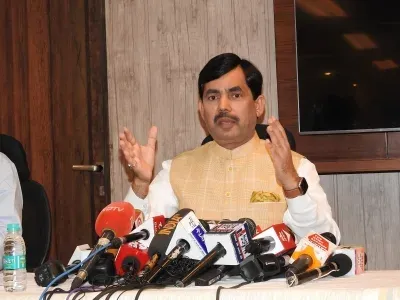
National Democratic Alliance (NDA) leaders on Friday, 15 May mounted a coordinated defence of the recent petrol and diesel price revision, arguing that extraordinary global circumstances — including active geopolitical conflicts in West Asia — had left the government with limited options. Several senior leaders credited Prime Minister Narendra Modi's economic management for keeping the domestic fuel price increase far below the surge seen in other countries.
What NDA Leaders Said
Bharatiya Janata Party (BJP) leader Syed Shahnawaz Hussain pointed to the ripple effects of conflicts involving America, Iran, and Israel on global energy markets. 'Across the world, due to wars involving America, Iran, and Israel, there is pressure on the prices of oil, diesel, and gas. Fuel and gas prices have increased significantly worldwide. In India, however, petrol and diesel prices have increased by only three rupees...India has adopted a policy to ensure that the burden on the public remains low...' he said.
Bihar Deputy Chief Minister Vijay Kumar Chaudhary described the revision as a compelled step under difficult international conditions. 'It is something that everyone should understand that the government has taken this step under extreme compulsion and difficult circumstances. Prices of petroleum products are rising across the world, and because of this, inflation is increasing globally. Everyone knows the reason behind this situation. There is a war going on in the Gulf region, from where petroleum supplies come...' he said.
Government Monitoring Reserves, Seeking Relief Measures
Bihar Minister Ram Kripal Yadav said the government and related agencies were actively working to limit public hardship. 'There has been an increase in fuel prices due to the ongoing global situation. The government and related agencies are making efforts to provide relief to the public. While there is a crisis and impact on people is unavoidable, India has petroleum reserves, which are being closely monitored, and steps are being considered to manage the situation...' he stated.
This comes amid broader global supply disruptions triggered by the ongoing conflict in the Gulf region, which has rattled international crude benchmarks and pushed energy costs higher across both developed and developing economies.
UP Speaker Credits Modi's Economic Vision
Uttar Pradesh Assembly Speaker Satish Mahana drew a direct comparison with developed nations, arguing that India had fared better under Modi's stewardship. 'For the past few months, the international situation has been quite challenging, especially with the war between Iran and the United States. This has affected the entire world. We've seen that even in developed nations like the US, crude oil prices have doubled. It is due to the economic vision of our Prime Minister, Narendra Modi, that despite these global pressures, fuel prices in India haven't surged as drastically as elsewhere,' he said.
BJP MP Draws Regional Comparison
BJP MP Gulam Ali Khatana cited price increases in neighbouring countries as a benchmark, arguing India's management stood out. 'If you look at our surrounding neighbouring countries, prices have increased by 25 per cent in some places, 40 per cent in others, and 30 per cent elsewhere. It is only because of Prime Minister Modi that this has been managed,' he said, also crediting the Energy Minister's role in containing the impact on consumers.
Political Context and What Comes Next
The coordinated statements follow rising political debate over fuel price revisions linked to crude oil volatility and West Asia supply disruptions. Opposition parties have yet to formally respond to the latest round of NDA arguments, but critics have previously questioned whether domestic pricing policy adequately shields lower-income households from global energy shocks. Notably, the ₹3-per-litre increase cited by Hussain is relatively modest compared to revisions seen in previous global oil crises, though its cumulative impact on transport and logistics costs remains a concern for economists. The government's next move — whether to draw down strategic petroleum reserves or introduce targeted subsidies — will likely define the political trajectory of this debate in the weeks ahead.
Point of View
But it sidesteps the cumulative burden on households already squeezed by food inflation. More critically, the government has not yet detailed any structural relief — no targeted subsidy, no LPG-style DBT extension, no reserve drawdown timeline. Citing neighbouring countries' 25–40% hikes is politically convenient, but India's per-capita income context makes even modest fuel cost increases disproportionately painful for lower-income groups. The real accountability question is not whether India did better than Pakistan or Sri Lanka, but whether the pricing mechanism is transparent and whether strategic reserves are being used proactively rather than reactively.
NationPress
19 Sept 2026
Frequently Asked Questions
Why have petrol and diesel prices increased in India?
NDA leaders attribute the hike to rising global crude oil prices driven by geopolitical conflicts in West Asia, including tensions involving the US, Iran, and Israel. The government says the revision was unavoidable given international supply pressures.
By how much have petrol and diesel prices risen in India?
According to BJP leader Syed Shahnawaz Hussain, petrol and diesel prices in India have increased by ₹3 per litre. NDA leaders have argued this is significantly lower than price surges seen in other countries.
How does India's fuel price increase compare to other countries?
BJP MP Gulam Ali Khatana stated that fuel prices in some neighbouring countries have risen by 25 to 40 per cent, while UP Assembly Speaker Satish Mahana noted that crude oil prices reportedly doubled in the US. NDA leaders argue India's ₹3 increase is comparatively modest.
What steps is the government taking to manage the fuel price impact?
Bihar Minister Ram Kripal Yadav said the government is closely monitoring India's petroleum reserves and considering steps to manage the situation. Specific relief measures have not yet been announced publicly.
What is the political context around the fuel price hike?
The price revision has triggered political debate in India, with NDA leaders defending the move as a necessary response to global conditions. Critics have previously questioned whether domestic pricing policy adequately protects lower-income households from global energy shocks.