Rahul Gandhi Slams Post-Election Fuel Price Hike
Synopsis
Congress leader Rahul Gandhi on 25 May 2026 attacked the Modi government for hiking petrol and diesel prices by ₹8 per litre after elections concluded, accusing it of timing increases to avoid voter backlash and warning of a broader economic storm ahead.
Key Takeaways
Congress leader Rahul Gandhi posted on 25 May 2026 accusing the Modi government of a post-election petrol and diesel price hike.
Gandhi alleged the hike was ₹8 per litre on both petrol and diesel, implemented immediately after elections ended.
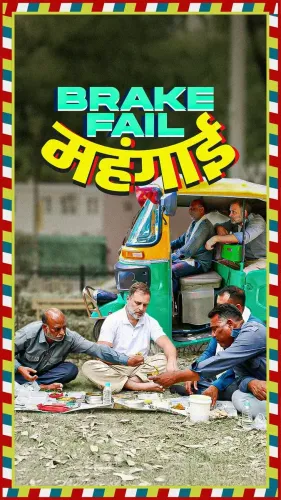
He coined the term 'Mahangai Manav Modi' ('Inflation Man Modi'), accusing the government of picking voters' pockets 'quietly in instalments.' Gandhi said he had been warning for months of an 'economic storm' while the government was focused on elections.
Central government deregulated petrol pricing in 2010 and diesel in 2014 , formally linking revisions to market rates via oil marketing companies.
The monsoon session of Parliament is expected to be the next major forum for the inflation and fuel taxation debate.
Congress leader Rahul Gandhi on Monday, 25 May 2026 launched a sharp attack on the Narendra Modi government over rising fuel prices, accusing it of deliberately timing petrol and diesel price hikes after elections to avoid electoral accountability.
Context
Gandhi posted in Hindi, coining the phrase 'Mahangai Manav Modi' ('Inflation Man Modi') to describe the Prime Minister. He alleged that the government raises petrol and diesel prices 'in instalments — so that your pocket is quietly picked.' He further claimed he had been warning for months of an 'economic storm' approaching, but that Modi was 'busy with elections as usual' and hiked petrol and diesel prices by ₹8 per litre the moment elections concluded.
The post is truncated, suggesting a longer thread or subsequent tweet may carry additional arguments. The core charge, however, is clear: that fuel price increases are timed to coincide with the end of election cycles to minimise political cost.
Policy Backdrop
The central government deregulated petrol prices in 2010 and diesel prices in 2014, handing pricing authority to oil marketing companies under a market-linked revision mechanism. In practice, critics have long argued that revisions are held back during election periods and released in clusters once voting concludes.
A precedent frequently cited is the May 2022 excise duty cut of ₹8 per litre on petrol and ₹6 per litre on diesel, announced under pressure from surging global crude prices and sustained opposition criticism. The government has consistently maintained that retail fuel prices reflect international crude oil movements and rupee-dollar fluctuations, not discretionary political choices.
Stakeholders and Impact
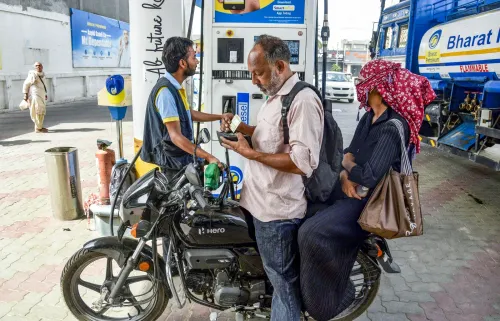
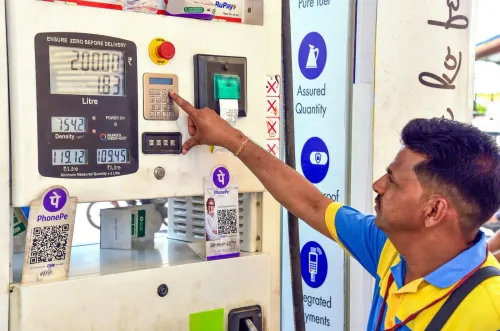
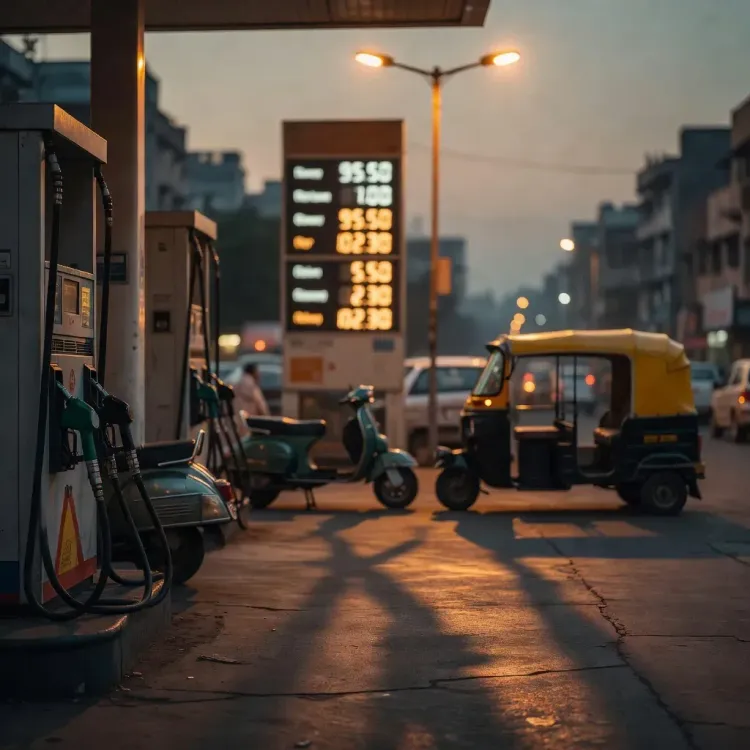
Any upward revision in retail fuel prices has an immediate cascading effect on household budgets, particularly for vehicle owners and transport operators. For the latter, higher diesel costs feed directly into freight rates, pushing up the prices of food, consumer goods, and industrial inputs across supply chains.
For ordinary commuters in India, where public transport coverage remains uneven, petrol price increases represent a direct reduction in disposable income. Opposition parties have consistently used fuel inflation as a political mobilisation issue, and Gandhi's framing of the hike as a stealth measure — done 'quietly' in instalments — is aimed squarely at this constituency.
What's Next
Any further revision in retail fuel prices by oil marketing companies will be closely watched as a test of Gandhi's central argument. The monsoon session of Parliament is expected to provide the next major institutional arena where inflation and fuel taxation will be debated, with the Opposition likely to press the government on both pricing methodology and the excise duty structure.
Gandhi's repeated warnings of an 'economic storm' signal that the Congress intends to sustain inflation as a central political theme heading into the session, framing household cost pressures as a failure of governance rather than a consequence of global commodity cycles.
Point of View
Seeking to personalise inflation in the same way the BJP has historically personalised governance successes around Modi. By alleging that price hikes are timed to electoral cycles, the Congress is challenging the government's standard defence — that fuel prices are market-determined — and repositioning the debate as one of political intent rather than economic mechanics. The truncated post, likely part of a longer thread, suggests a sustained, data-led offensive rather than a one-off reaction. If fuel prices do continue to rise through the monsoon session, this moment could serve as the rhetorical anchor for a broader Opposition campaign on household economic distress.
NationPress
10 Oct 2026
Frequently Asked Questions
Why did Rahul Gandhi criticise Modi over petrol diesel prices in May 2026?
Gandhi accused the Modi government of hiking petrol and diesel prices by ₹8 per litre immediately after elections ended, calling it a deliberate strategy to avoid voter backlash during the election period.
What does 'Mahangai Manav Modi' mean?
'Mahangai Manav Modi' is a Hindi phrase coined by Rahul Gandhi translating to 'Inflation Man Modi,' used to blame Prime Minister Narendra Modi personally for rising prices.
How are petrol and diesel prices decided in India?
Since deregulation — petrol in 2010 and diesel in 2014 — retail fuel prices are set by oil marketing companies and are formally linked to international crude oil prices and the rupee-dollar exchange rate.
Has the government cut fuel excise duties before under opposition pressure?
Yes. In May 2022, the central government cut excise duty by ₹8 per litre on petrol and ₹6 per litre on diesel amid high global crude prices and sustained criticism from opposition parties.
What is the political significance of fuel price hikes in India?
Fuel price increases directly affect household budgets and freight costs, making them a potent political issue. Opposition parties have consistently linked periodic hikes to post-election timing, arguing that revisions are held back during campaigns and released in clusters afterward.