Fuel price hike burdens common people, not industrialists: Ashok Gehlot
Synopsis
Ashok Gehlot's Jaipur broadside isn't just opposition noise — it revives a structural question that predates this hike: why did retail fuel prices not fall when crude crashed to $60 a barrel, but rise sharply when it climbs? The excise duty architecture is at the heart of it, and the states-versus-Centre revenue split remains unresolved.
Key Takeaways
Ashok Gehlot attacked the Centre on 15 May over the steep hike in petrol and diesel prices at Sanganer Airport, Jaipur .
He claimed Rahul Gandhi had predicted the hike before the Bengal elections , and the prediction proved accurate.
Gehlot noted crude oil hit $115–120 per barrel under the UPA government, yet retail prices were lower than today.
He alleged that 'additional' and 'special' excise duties have nearly eliminated states' share of fuel tax revenues.
Petroleum companies announced the price hike on Friday , citing rising crude prices and Middle East tensions.
Gehlot accused the Centre's economic policies of being anti-poor and anti-middle class .
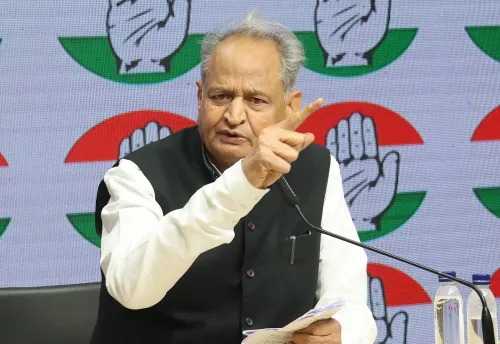
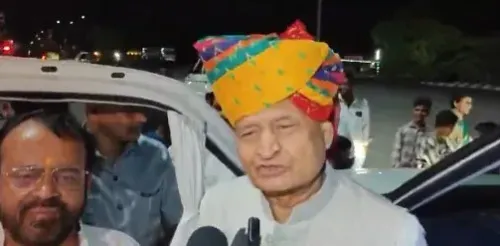
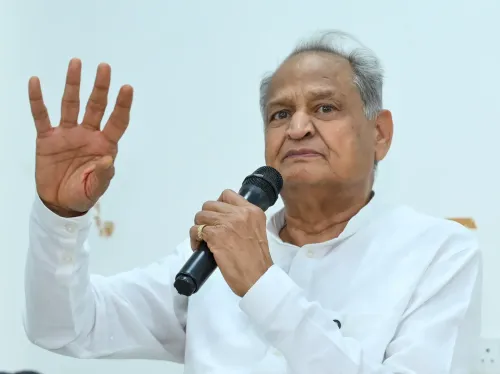
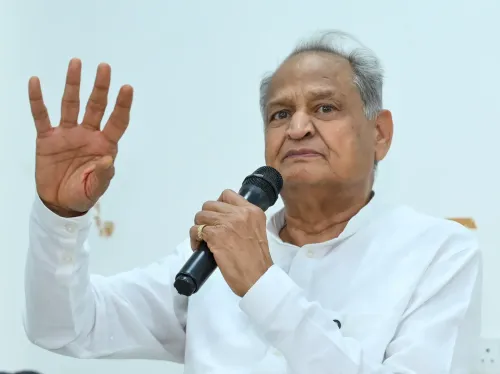
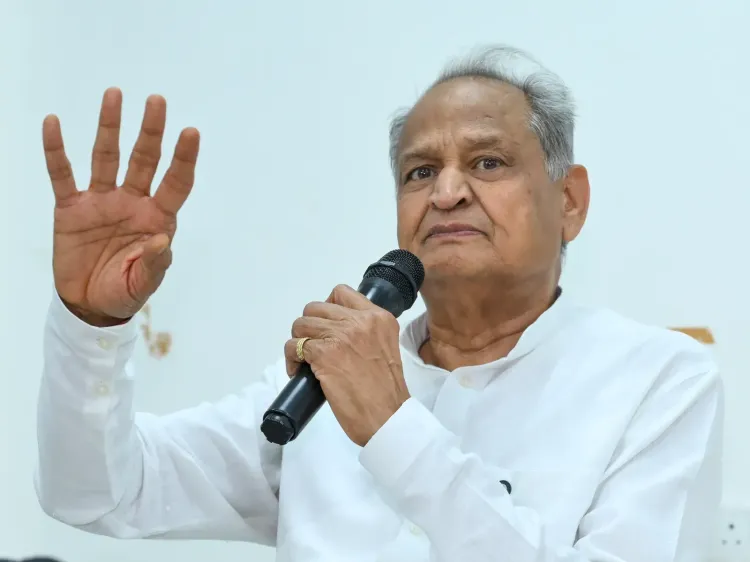
Former Rajasthan Chief Minister Ashok Gehlot on Friday, 15 May launched a pointed attack on the Central government over the steep increase in petrol and diesel prices, alleging that the financial weight of rising fuel costs is being systematically transferred onto ordinary citizens even as international crude oil prices remain volatile. Gehlot made the remarks while speaking to reporters at Sanganer Airport in Jaipur.
Gehlot's Core Allegations
The former Chief Minister argued that Congress leader Rahul Gandhi had publicly predicted before the Bengal elections that fuel prices would be raised once polling concluded — and, according to Gehlot, 'exactly that has now happened.' He further claimed that Prime Minister Narendra Modi's recent public appeals emphasising savings and restraint had already signalled to citizens that a price hike was imminent.
Gehlot drew a pointed historical comparison, noting that during the tenure of former Prime Minister Manmohan Singh, international crude oil prices had climbed as high as $115–120 per barrel under the United Progressive Alliance (UPA) government, yet retail petrol and diesel prices did not reach the levels seen today. He alleged that while Modi had strongly criticised fuel inflation during that period, retail rates were not meaningfully reduced even after crude prices later fell to approximately $60 per barrel.
Taxation Structure Under Scrutiny
Gehlot also questioned the Centre's excise duty framework on fuel, alleging that the use of 'additional' and 'special' excise duty categories has effectively eliminated states' revenue share from fuel taxation. Critics have long argued that this structure allows the Centre to retain a disproportionate share of fuel tax revenues without sharing them with states through the divisible pool — a charge the government has previously contested.
He contended that the government had the option to pass on the benefit of lower international crude prices to consumers at various points over the past several years but chose not to, instead relying on what he described as 'rhetoric and messaging.'
The Trigger: Friday's Price Hike
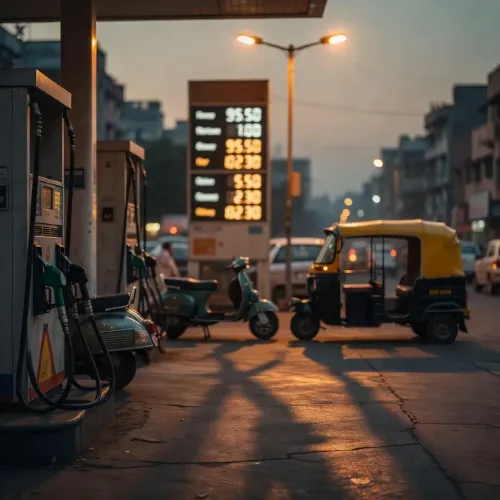
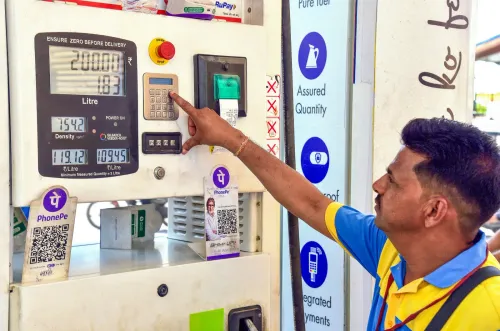
Petroleum companies on Friday announced a steep revision in fuel prices, citing rising international crude oil prices and ongoing tensions in the Middle East as the primary drivers. The revision has drawn sharp reactions from opposition leaders across the country, with Gehlot's remarks among the most direct.
Anti-Poor Economic Policy, Gehlot Argues
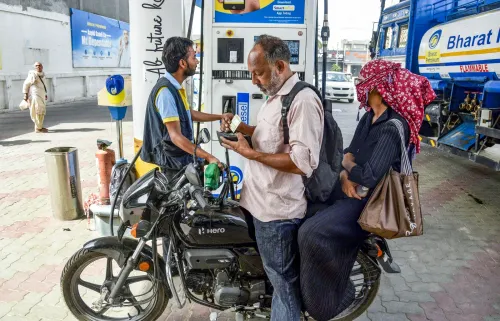
The former Chief Minister accused the Centre's economic policies of being anti-poor and anti-middle class, arguing that the burden of fuel price increases falls primarily on ordinary citizens — salaried workers, small traders, and daily-wage earners — rather than on large industrialists who can absorb or offset such costs. This comes amid broader concerns about household budgets already stretched by food inflation.
As political pressure mounts over the fuel price revision, the Centre is yet to formally respond to the opposition's allegations on the excise duty structure and the pass-through of crude price benefits.
Point of View
Imposed when crude collapsed during the pandemic, were never fully reversed — locking in a higher base for retail prices. The real accountability question is not just whether prices rise with crude, but whether they fall symmetrically when crude drops. The evidence on that asymmetry is uncomfortable for the Centre. Meanwhile, the states-versus-Centre excise dispute is a structural governance failure that no single government has resolved, and framing it purely as a BJP problem obscures a longer institutional drift.
NationPress
20 Sept 2026
Frequently Asked Questions
Why did Ashok Gehlot criticise the Centre over fuel prices?
Gehlot alleged that the Centre has consistently passed on the burden of rising international crude prices to ordinary citizens while not reducing retail fuel rates when crude prices fell. He made these remarks on 15 May at Jaipur's Sanganer Airport following a steep hike announced by petroleum companies.
What did Gehlot say about fuel prices during the UPA era?
Gehlot noted that even when crude oil touched $115–120 per barrel during the UPA government led by Manmohan Singh, retail petrol and diesel prices were not as high as they are today. He alleged that prices were also not reduced significantly when crude later fell to around $60 per barrel under the current government.
What is the dispute over excise duty on fuel?
Gehlot alleged that the Centre's use of 'additional' and 'special' excise duty categories on fuel has effectively eliminated the states' revenue share, since these categories fall outside the divisible pool shared with states. This has been a longstanding point of contention between the Centre and state governments.
What triggered the latest petrol and diesel price hike?
Petroleum companies announced the price revision on Friday, 15 May, citing rising international crude oil prices and ongoing tensions in the Middle East as the primary reasons for the increase.
Who is most affected by the fuel price hike, according to Gehlot?
Gehlot argued that the impact falls disproportionately on ordinary citizens — salaried workers, small traders, and daily-wage earners — rather than large industrialists, whom he said can absorb or offset such costs more easily.