Gadkari inaugurates PM e-Bus Seva, Sugam Parivahan in Bhopal
Synopsis
Union Minister Nitin Gadkari inaugurated the PM e-Bus Seva and Madhya Pradesh's Mukhyamantri Sugam Parivahan Seva in Bhopal on 25 September 2026, advancing India's drive to deploy 10,000 electric buses in cities.
Key Takeaways
Nitin Gadkari was present at the live inauguration of two transport schemes in Bhopal on 25 September 2026 .
The PM e-Bus Seva , approved in 2023 , targets deployment of 10,000 electric buses across selected Indian cities.
Mukhyamantri Sugam Parivahan Seva is a Madhya Pradesh government scheme aimed at accessible public transport.
The dual launch combines central funding ambitions with state-level delivery — a model central to India's green urban mobility strategy.
Urban commuters and state transport corporations are the primary stakeholders in both initiatives.
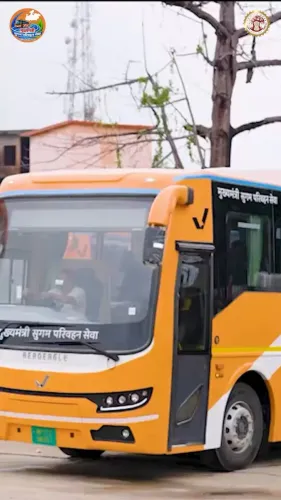
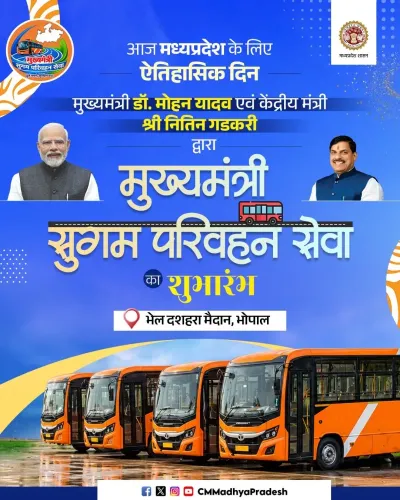
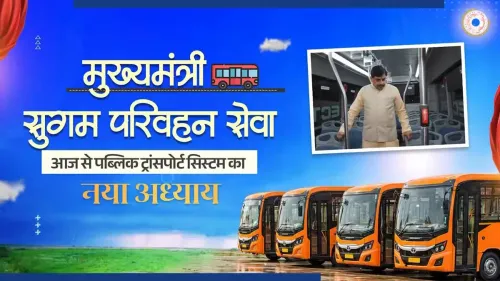
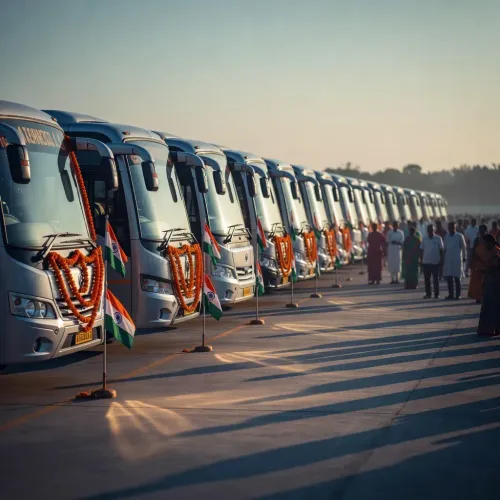
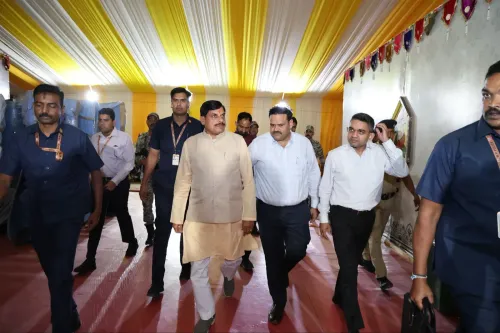
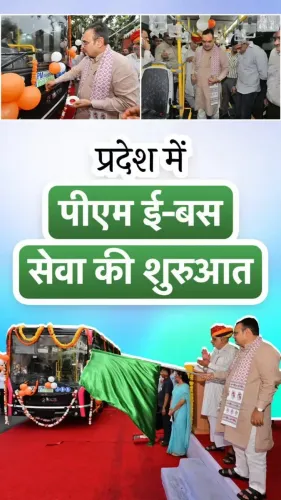
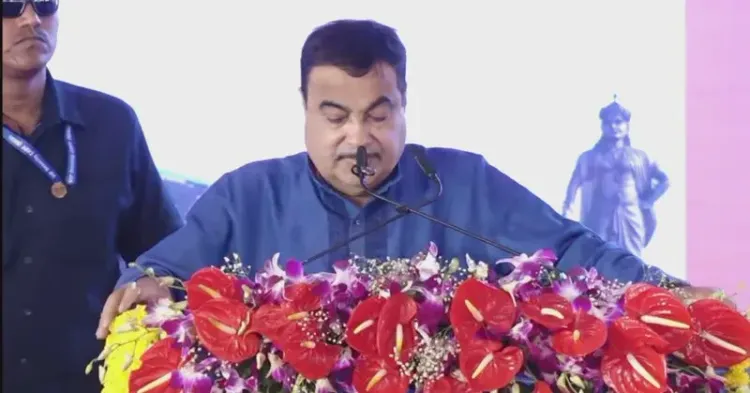
Electric buses are rolling into Bhopal — and the streets of Madhya Pradesh's capital became the stage on Friday for a twin launch that brings together central and state ambitions for greener urban mobility. Union Road Transport and Highways Minister Nitin Gadkari was present live on 25 September 2026 at the inauguration of the Mukhyamantri Sugam Parivahan Seva and the PM e-Bus Seva in Bhopal, marking a significant step in India's electric public transport push.
Two schemes, one city, a shared goal
The dual inauguration links a Madhya Pradesh government initiative — Mukhyamantri Sugam Parivahan Seva, designed to make public transport more accessible across the state — with the Centre's flagship PM e-Bus Seva, the national scheme approved in 2023 to deploy 10,000 electric buses across selected Indian cities. Bhopal's selection as a host city for the PM scheme signals its place among the urban centres earmarked for fleet electrification under the programme.
The convergence of state and central schemes in a single ceremony is by design. India's green mobility strategy has increasingly relied on this model — central funding and targets, state-level delivery — to accelerate the replacement of diesel fleets with zero-emission alternatives and to extend reliable bus networks to underserved urban corridors.
PM e-Bus Seva: the national push behind the inauguration
When the Union Cabinet approved PM e-Bus Seva in 2023, the stated ambition was clear: put 10,000 electric buses on Indian roads through a public-private partnership model, with the government bearing the gap between operational costs and fare revenue. Urban commuters — particularly in mid-sized cities where private vehicle ownership strains road infrastructure — are the primary beneficiaries envisaged by the scheme.
State transport corporations act as the operational backbone, integrating new e-bus fleets into existing networks. For Madhya Pradesh, the Bhopal inauguration represents both an entry point into that national programme and a showcase moment for the state's own Sugam Parivahan initiative, which targets accessible, last-mile connectivity for residents.
Bhopal as a test case for India's electric bus rollout
India's electric public transport ambitions have moved fitfully — deployment timelines have at times lagged behind announced targets as states navigate procurement, charging infrastructure, and depot upgrades. Bhopal's joint inauguration, backed by a senior Union Minister's presence, applies political momentum to a process that needs it. How quickly buses move from ribbon-cutting to daily routes will be the real measure of both schemes' progress.
The city will now be watched as a template: can the Sugam Parivahan network and the PM e-bus fleet operate as a genuinely integrated system, or will the familiar gap between policy launch and on-ground delivery reassert itself? The commuters of Bhopal will have the first answer.
Point of View
But actual fleet deployment has often trailed launch ceremonies. Gadkari's personal presence at a state-level inauguration signals that the Centre is leaning in on accountability, not just credit-sharing. If Bhopal's rollout runs on schedule, it becomes the blueprint other participating cities will be measured against.
NationPress
25 Sept 2026
Frequently Asked Questions
What is PM e-Bus Seva?
PM e-Bus Seva is a central government scheme approved in 2023 to deploy 10,000 electric buses in cities across India, with the government covering the gap between operational costs and fare revenue through a public-private partnership model.
What is Mukhyamantri Sugam Parivahan Seva?
Mukhyamantri Sugam Parivahan Seva is a Madhya Pradesh government initiative to improve accessible and convenient public transport services across the state, including for underserved urban corridors.
Why was Bhopal chosen for the PM e-Bus Seva inauguration?
Bhopal, as the capital of Madhya Pradesh, was selected as one of the cities earmarked under the PM e-Bus Seva scheme for electric bus fleet deployment, making it a natural venue for the joint launch alongside the state's own Sugam Parivahan initiative.
What is Nitin Gadkari's role in road transport in India?
Nitin Gadkari serves as Union Minister of Road Transport and Highways and is a senior BJP leader. He oversees national road infrastructure, highway development, and urban mobility policy, including schemes like PM e-Bus Seva.
How many electric buses does India plan to deploy under PM e-Bus Seva?
The PM e-Bus Seva scheme targets the deployment of 10,000 electric buses across selected Indian cities, aiming to reduce urban emissions and modernise public bus fleets.