CM Conrad Sangma attends Behdieñkhlam at Tuber
Synopsis
Meghalaya Chief Minister Conrad Sangma attended the Behdieñkhlam festival at Tuber in East Jaiñtia Hills on 17 July 2026, celebrating the Niamtre community's annual ritual of cleansing, dance and community feasts — a tradition central to the Pnar people's indigenous identity in the Northeast.
Key Takeaways
Conrad Sangma personally attended Behdieñkhlam at Tuber, East Jaiñtia Hills District on 17 July 2026 .
Behdieñkhlam is the foremost annual festival of the Niamtre faith, involving ritual cleansing, dance and community feasts.
The festival is rooted in the indigenous religious tradition of the Pnar (Jaintia) people of Meghalaya.
Chief ministerial participation in tribal festivals is an established practice in Meghalaya aimed at affirming indigenous identity and boosting cultural tourism.
Conrad Sangma has served as Meghalaya Chief Minister since 2018 and is national president of the National People's Party .
Observers will watch for state tourism or heritage follow-up announcements concerning East Jaiñtia Hills festival infrastructure.
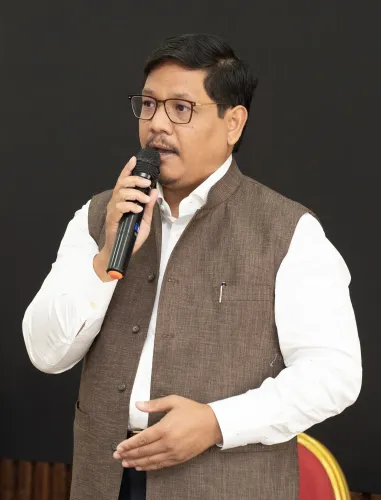
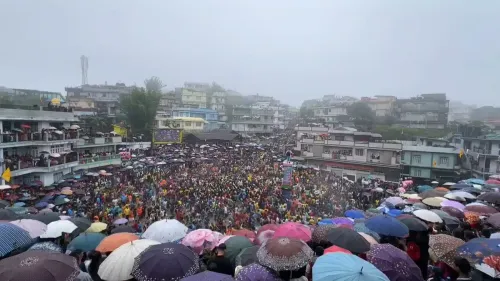
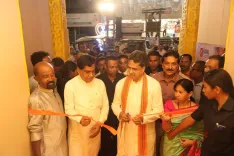
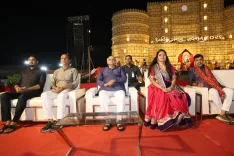
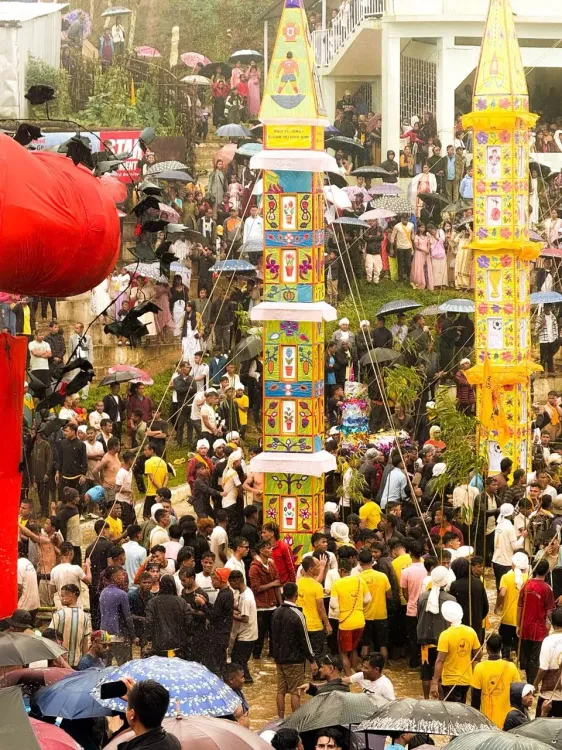
Meghalaya Chief Minister Conrad Sangma attended the Behdieñkhlam festival at Tuber in East Jaiñtia Hills District on 17 July 2026, joining the Niamtre community in one of the region's most significant indigenous celebrations. The Chief Minister described the occasion as 'a wonderful display of the rich and colourful tradition of the Niamtre community' and extended greetings to all observers of the festival.
Context
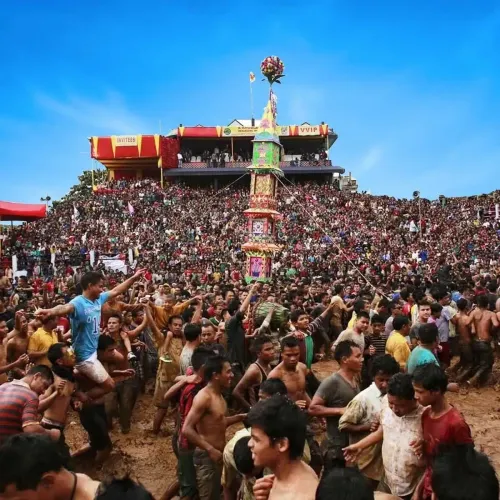
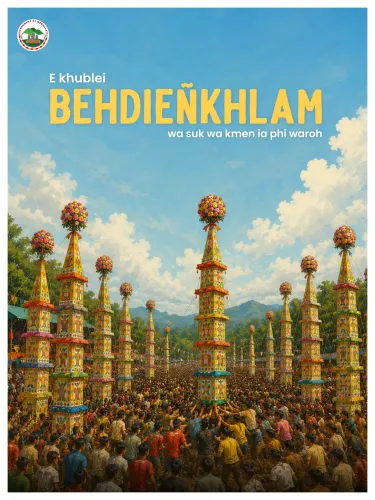
Behdieñkhlam is the foremost annual festival of the Niamtre faith, the indigenous religious tradition of the Pnar (Jaintia) people of Meghalaya. Centred on nature worship and ancestral rituals, the festival involves ritual cleansing ceremonies, community dances, and collective feasts that reaffirm social bonds within Jaintia Hills villages. Tuber, a village in East Jaiñtia Hills District, hosted this year's observance that the Chief Minister personally witnessed.
The name Behdieñkhlam is drawn from the Pnar language and broadly conveys the driving away of pestilence and disease — a ritual act that anchors the community's spiritual calendar each year. The festival draws participants from across the Jaintia Hills and is regarded as a living expression of the Pnar people's distinct cultural identity within Meghalaya's diverse tribal mosaic.
Policy Backdrop
Meghalaya governments have consistently attended and publicised tribal festivals as a means of affirming indigenous identity and promoting domestic tourism across the Northeast. Chief ministerial participation in ethnic cultural events has become an established practice, signalling state recognition of Scheduled Tribe communities and their traditions. Conrad Sangma, who has served as Chief Minister since 2018 and leads the National People's Party nationally, has made visible engagement with the state's tribal heritage a recurring feature of his public calendar.
The Northeast region, with its extraordinary density of indigenous faiths and festivals, has seen growing interest from state tourism departments seeking to place such events on formal heritage and tourism calendars. Behdieñkhlam, with its vivid processions and community rituals, is among the festivals considered to have strong potential for cultural tourism in East Jaiñtia Hills.
Stakeholders and Impact
The primary stakeholders are Niamtre practitioners and the broader Jaintia Hills community, for whom the festival carries deep spiritual and social significance. A Chief Minister's presence at such an observance carries symbolic weight, signalling that the state administration values the community's distinct religious and cultural identity beyond electoral cycles. For local organisers and village councils, high-profile attendance can also raise the event's profile among policymakers who control heritage and tourism budgets.
The Pnar community, concentrated in East Jaiñtia Hills and West Jaiñtia Hills districts, has long sought greater documentation and institutional support for Niamtre traditions, which remain outside the mainstream of India's formally recognised classical or folk art categories. State-level visibility events such as this are seen by community leaders as a step toward broader recognition.
What's Next
Attention will now turn to whether the Meghalaya state tourism department follows up with formal announcements on festival calendar listings or infrastructure proposals for Jaintia Hills sites. Heritage documentation initiatives and improved connectivity to festival venues in East Jaiñtia Hills have been discussed in state policy circles, and the Chief Minister's public endorsement of Behdieñkhlam could lend momentum to such proposals. The broader question is whether ceremonial participation translates into sustained budgetary and institutional support for Niamtre cultural preservation.
Point of View
Whose indigenous faith sits outside mainstream institutional recognition, the Chief Minister's public endorsement is more than ceremonial: it keeps alive the possibility of formal heritage listing and tourism funding. The visit also reflects the National People's Party's broader identity as a party rooted in Meghalaya's tribal ethos, reinforcing that brand ahead of any future electoral cycle. Whether this visibility converts into concrete policy action for Jaintia Hills cultural infrastructure remains the key test.
NationPress
16 Oct 2026
Frequently Asked Questions
What is Behdieñkhlam festival?
Behdieñkhlam is the most important annual festival of the Niamtre faith, the indigenous religion of the Pnar (Jaintia) people of Meghalaya. It involves ritual cleansing to drive away pestilence, community dances and collective feasts, and is primarily observed in the Jaintia Hills districts of Meghalaya.
Where is Tuber village located?
Tuber is a village in East Jaiñtia Hills District, Meghalaya, in Northeast India. It is one of the local centres where the Behdieñkhlam festival is observed each year.
Who are the Niamtre people?
Niamtre refers to the indigenous religious tradition of the Pnar (Jaintia) community of Meghalaya, centred on nature worship and ancestral rituals. Practitioners are concentrated in East Jaiñtia Hills and West Jaiñtia Hills districts.
Why did Conrad Sangma attend Behdieñkhlam?
Conrad Sangma attended Behdieñkhlam at Tuber as part of a long-standing practice among Meghalaya chief ministers of participating in tribal festivals to affirm indigenous identity and demonstrate state support for Scheduled Tribe communities and their cultural traditions.
What is the National People's Party?
The National People's Party is a regional political party founded in Meghalaya. Conrad Sangma serves as its national president and has led the party to power in Meghalaya, where he has been Chief Minister since 2018.