CM Conrad Sangma Holds Public Durbar in Shillong
Synopsis
Meghalaya Chief Minister Conrad Sangma held a Public Durbar in Shillong on June 2, 2026, meeting residents, educators, and civil society groups. The session reflects the NPP-led government's use of direct public hearings as a core governance and grievance-redressal tool in the northeastern state.
Key Takeaways
Conrad Sangma , Chief Minister of Meghalaya and national president of the National People's Party , held a Public Durbar in Shillong on June 2, 2026 .
The session included meetings with residents, community groups, educators, and civil society members.
The Public Durbar format allows citizens direct access to the Chief Minister for grievance redressal and policy feedback.
Northeastern states have a strong tradition of durbar-style consultations, rooted in tribal customary governance.
Meghalaya administrations have used public durbars as a governance tool both before and after the 2018 change of government.
Issues raised may feed into future assembly sessions or the state's budget cycle.
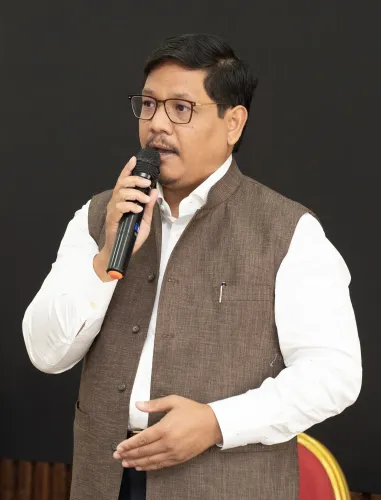
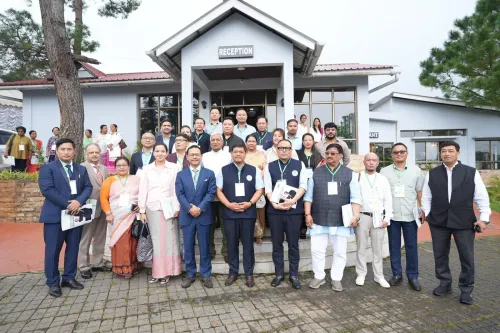
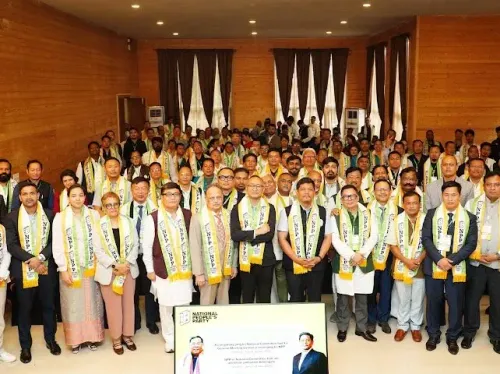
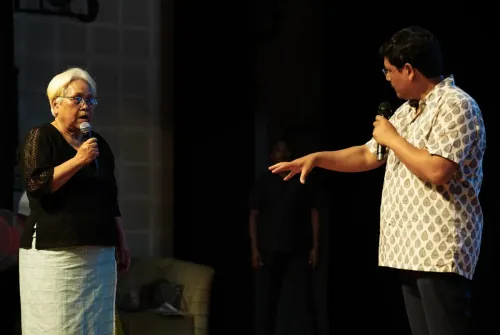
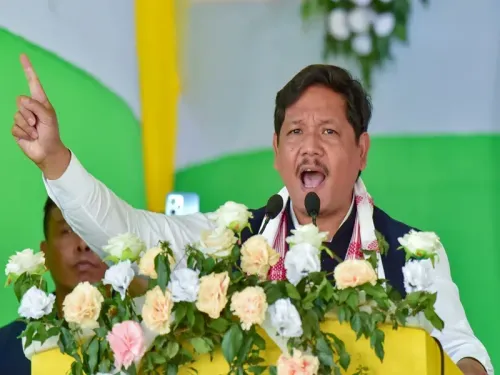
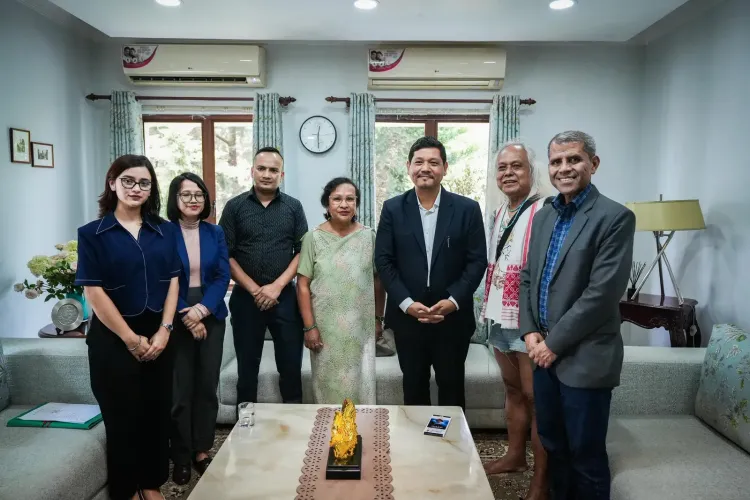
Meghalaya Chief Minister Conrad Sangma on Tuesday, June 2, 2026, held a Public Durbar in Shillong, meeting residents, educators, community groups, and civil society members in a direct public-hearing session. The event underscored his administration's emphasis on grassroots engagement as a pillar of governance in the northeastern state.
Context
Sharing his reflections on the durbar, Sangma wrote that 'every interaction is a reminder that public service is not just about action, but also about listening, understanding concerns, and doing our best to make a difference.' The Chief Minister described the session as an opportunity to 'serve and connect with the people,' framing citizen engagement as central to his role.
The Public Durbar format is a structured, open-door public hearing in which a state's top executive or senior officials receive citizens directly, hear grievances, and note demands for follow-up action. In Meghalaya, such sessions have been used by successive administrations as a complement to formal institutional channels.
Policy Backdrop
Conrad Sangma has served as Chief Minister of Meghalaya since 2018, leading the government under the banner of the National People's Party (NPP), a regional party he also heads as national president. The NPP participates in the broader National Democratic Alliance at the national level.
Across India's northeastern states, public durbars carry particular significance. The region has a strong tradition of community-level consultation rooted in tribal customary governance structures, and chief ministers have regularly used the format to maintain direct lines of communication with constituents beyond the legislative assembly.
Meghalaya administrations, both before and after the 2018 change of government, have periodically convened durbar-style meetings as a grievance-redressal and feedback mechanism, making the practice a recurring feature of the state's governance calendar.
Stakeholders and Impact
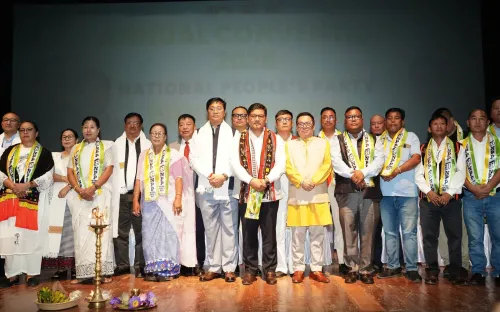
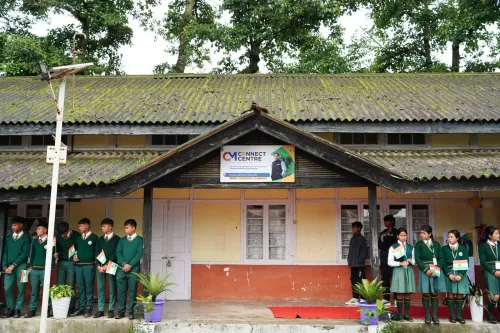
The June 2 session in Shillong brought together a cross-section of Meghalaya society — residents from different communities, educators, and organised civil society groups. Each constituency brings distinct concerns to such forums: educators may raise issues around school infrastructure or teacher recruitment, while community groups often flag local development gaps or administrative bottlenecks.
For ordinary citizens, the Public Durbar represents one of the few formats in which direct access to the Chief Minister is institutionalised rather than incidental. The presence of civil society members also signals that the session was not limited to individual grievances but extended to broader policy feedback.
What's Next
Issues raised during public durbars in Meghalaya have historically fed into administrative follow-up, and observers will watch whether specific concerns from the June 2026 session surface in upcoming government announcements, the next Meghalaya Legislative Assembly session, or the state's budget cycle. Chief Minister Sangma's continued use of the durbar format suggests it will remain a regular fixture of his public engagement calendar, reinforcing the NPP-led government's outreach strategy ahead of future electoral cycles.
Point of View
A format that northeastern leaders have long favoured to compensate for the region's geographic and administrative complexity. By personally receiving educators and civil society groups alongside ordinary residents, Sangma signals that the NPP-led government is attentive to organised constituencies — not just individual voters — which matters in a state where civil society commands considerable public trust. The emphasis on 'listening' in his post also subtly positions the Chief Minister as accessible and responsive at a time when governments across India face criticism for top-down policymaking. Whether the durbar produces concrete follow-up actions will determine its long-term credibility as a governance instrument rather than a symbolic gesture.
NationPress
16 Sept 2026
Frequently Asked Questions
What is a Public Durbar in Indian politics?
A Public Durbar is a structured open-door hearing in which a state's chief minister or senior official meets citizens directly to receive grievances and feedback. The format has historical roots in Indian administrative tradition and is especially common in northeastern states, where community consultation is central to governance.
Why did Conrad Sangma hold a Public Durbar in Shillong?
Conrad Sangma held the Public Durbar in Shillong on June 2, 2026, as part of his administration's practice of direct citizen engagement. He described it as an opportunity to listen, understand concerns, and connect with residents, educators, and civil society groups.
Who attended the Conrad Sangma Public Durbar on June 2, 2026?
The durbar was attended by individual residents, community groups, educators, and members of civil society from Meghalaya, according to Chief Minister Sangma's post on X.
What is the National People's Party and who leads it?
The National People's Party (NPP) is a regional political party founded in 2013 that leads the Meghalaya government. Conrad Sangma serves as both Chief Minister of Meghalaya and national president of the NPP, which is also part of the National Democratic Alliance.
What issues are typically raised at Meghalaya public durbars?
Citizens typically raise concerns about local development, administrative bottlenecks, education infrastructure, and community welfare at Meghalaya public durbars. Issues noted at such sessions have historically been taken up in subsequent assembly sessions or government announcements.