CM Conrad Sangma chairs NPP Annual General Meeting in New Shillong
Synopsis
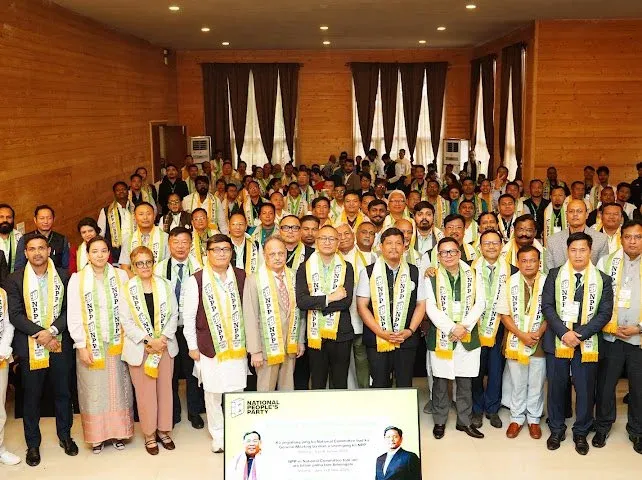
Meghalaya Chief Minister and NPP national president Conrad Sangma chaired the party's Annual General Meeting in New Shillong on June 9, 2026, with leaders discussing collective strategies to address North East regional and national issues.
Key Takeaways
Conrad Sangma , Chief Minister of Meghalaya and national president of the NPP, attended the party's Annual General Meeting in New Shillong on June 9, 2026 .
The meeting focused on 'strengthening collective efforts' to address issues facing the North East Region and the country.
The National People's Party was founded in 2013 by the late P.A.
Sangma and has been led by Conrad Sangma as national president.
The NPP has governed Meghalaya in coalition since 2018 and joined the NDA in 2019 .
The AGM was held in New Shillong , a planned township near the Meghalaya capital developed to support administrative expansion.
Regional AGMs of this kind typically align state-level leadership with national strategy ahead of elections or major budget and policy cycles.
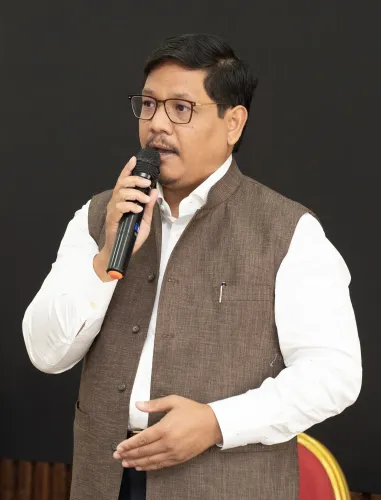
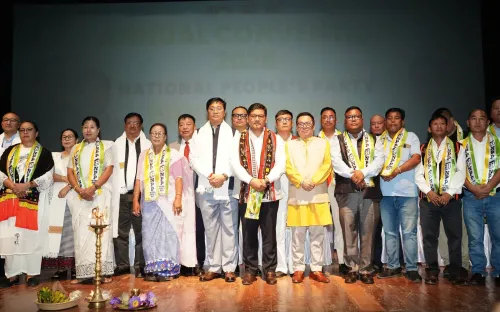
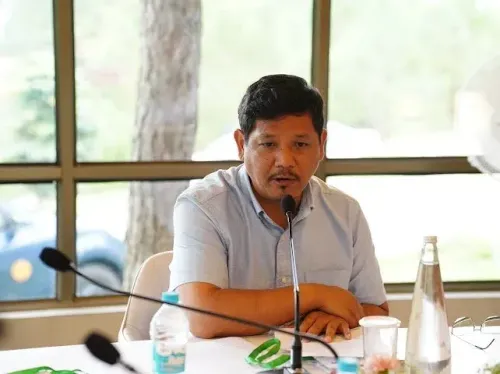
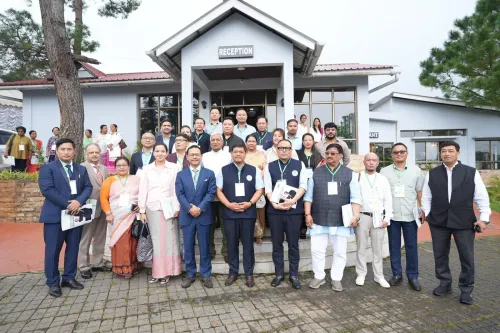
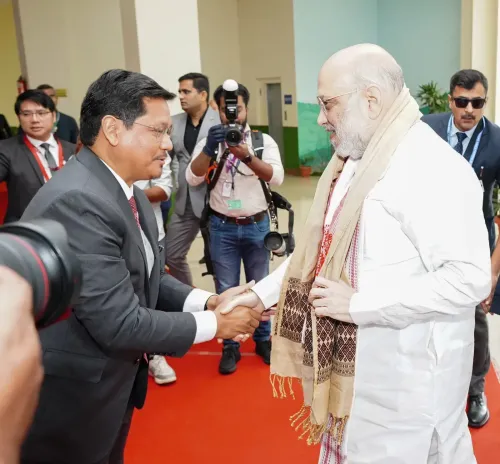
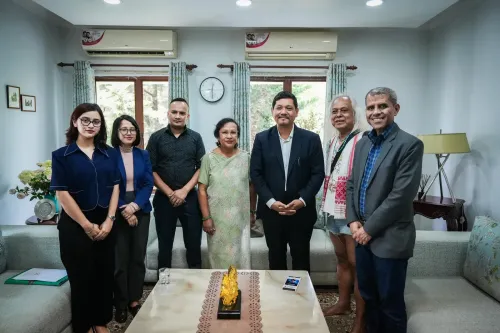
Meghalaya Chief Minister and National People's Party president Conrad Sangma attended the Annual General Meeting of the NPP in New Shillong on Tuesday, June 9, 2026, joining party leaders for discussions on strengthening the party's collective voice on issues facing the North East Region and the country at large.
Context
Posting on X, Sangma described the gathering as an opportunity to engage in 'meaningful discussions on strengthening our collective efforts to address the issues facing the North East Region and the country.' The AGM brought together what he called 'energetic NPP leaders,' signalling active internal party engagement at a time when regional parties are closely aligning their state-level agendas with national priorities.
The meeting was held in New Shillong, the planned township developed on the outskirts of the Meghalaya capital to ease congestion and expand administrative capacity — a location that underscores the party's stake in the state's urban development trajectory.
Policy Backdrop
The National People's Party, founded in 2013 by the late P.A. Sangma — former Lok Sabha Speaker and Conrad's father — has grown into the dominant political force in Meghalaya and maintains a presence across several northeastern states. Conrad Sangma has led the party as its national president and has served as Meghalaya Chief Minister since 2018, when the NPP formed a coalition government following state assembly elections.
In 2019, the NPP formally aligned with the National Democratic Alliance, enabling closer coordination on northeastern development priorities including infrastructure corridors, connectivity projects, and special category status advocacy. Annual general meetings of this nature typically serve to consolidate leadership positions and align state-unit strategies with the party's national direction.
Stakeholders and Impact
The AGM's deliberations are of direct relevance to NPP party workers and grassroots leaders across Meghalaya and the broader northeastern region. Issues routinely raised by the party include border trade facilitation, cultural autonomy, infrastructural development under central schemes, and the special needs of the eight states that constitute the North Eastern Region.
Regional parties like the NPP have increasingly used such internal forums to present a unified front on northeastern concerns within India's coalition politics — ensuring that the region's distinct developmental and administrative challenges remain on the national legislative agenda.
What's Next
Observers will watch for follow-up coordination meetings between NPP state units and central leadership, as well as any joint announcements with NDA partners on northeastern infrastructure or governance initiatives. With state-level political cycles in the northeast remaining active, the outcomes of the June 2026 AGM could shape the party's electoral and policy posture in the months ahead.
Point of View
Convened by Conrad Sangma in New Shillong, reflects a deliberate effort to consolidate internal party cohesion at a moment when northeastern regional parties are navigating the balance between coalition obligations and distinct regional advocacy. As the NPP's only national-level figure with an active chief ministerial mandate, Sangma's dual role as state executive and party president makes such gatherings both an organisational exercise and a political signal. The emphasis on a 'strong and united voice' suggests the party is actively managing internal alignment, likely ahead of electoral cycles and budget negotiations where northeastern states traditionally seek enhanced central allocations. This pattern mirrors broader trends among NDA-aligned regional parties that use internal forums to sharpen their bargaining positions within the alliance.
NationPress
19 Sept 2026
Frequently Asked Questions
What is the NPP Annual General Meeting and why was it held in New Shillong?
The NPP Annual General Meeting is the National People's Party's principal internal forum for leadership alignment and strategic discussion. The June 2026 edition was held in New Shillong, a planned township near the Meghalaya capital, where party leaders discussed issues facing the North East Region and the country.
Who is Conrad Sangma and what is his role in the NPP?
Conrad Sangma is the Chief Minister of Meghalaya and the national president of the National People's Party. He has served as Chief Minister since 2018 and leads the party founded by his father, the late P.A. Sangma, in 2013.
What issues does the NPP focus on for the North East Region?
The NPP primarily advocates for northeastern development priorities including infrastructure connectivity, border trade, cultural autonomy, and special category status for northeastern states. These concerns are regularly raised in national legislative forums.
Is the NPP part of the NDA?
Yes. The National People's Party joined the National Democratic Alliance in 2019, enabling closer coordination between the NPP and the central government on northeastern development and governance priorities.
What is the significance of the NPP holding its AGM in New Shillong?
New Shillong is a planned township developed to decongest the Meghalaya capital and expand its administrative footprint. Holding the AGM there signals the party's stake in the state's urban and administrative development agenda.