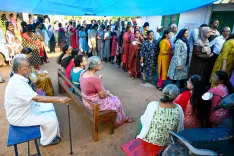
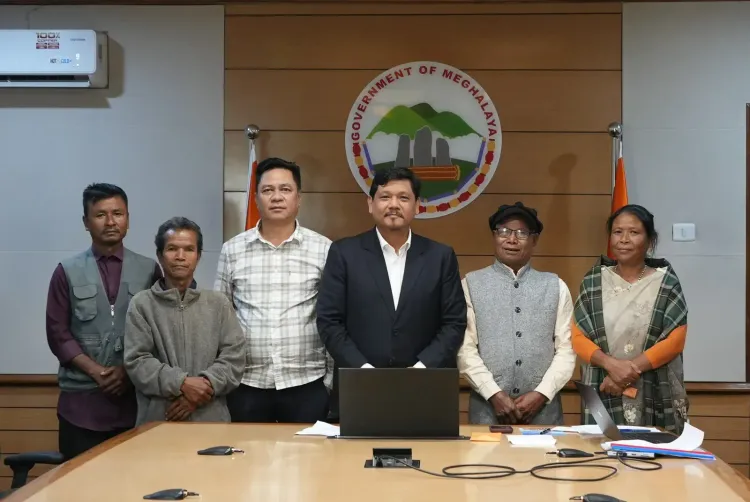
CM Conrad Sangma Holds Public Durbar, Meets Teachers, Students, Sportspersons
Synopsis
Meghalaya Chief Minister Conrad Sangma held a Public Durbar on October 13, 2026, meeting teachers, students, sportspersons, and religious organisations in a structured direct citizen-engagement session — a regular governance tool used by Indian state chief ministers.
Key Takeaways
Conrad Sangma , Chief Minister of Meghalaya, hosted a Public Durbar on October 13, 2026 .
Groups met included teachers' associations, student groups, sportspersons, and religious organisations .
Public durbars are a recognised direct-access governance mechanism used across Indian states.
Sangma is also the national president of the National People's Party (NPP) .
Specific issues raised or commitments made at the durbar have not been officially disclosed.
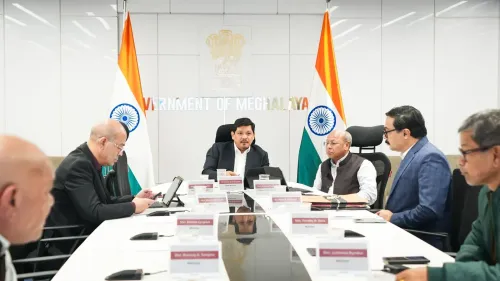
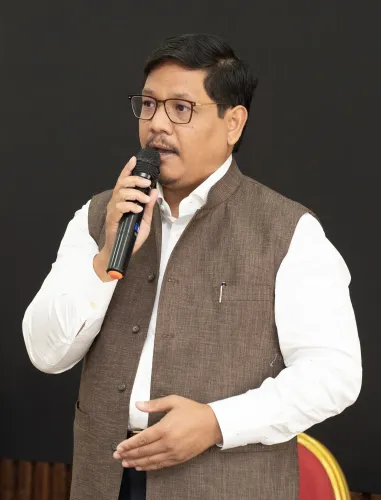
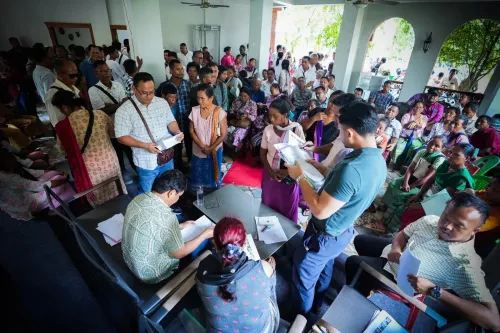
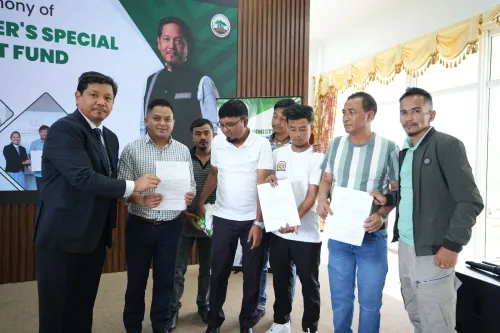
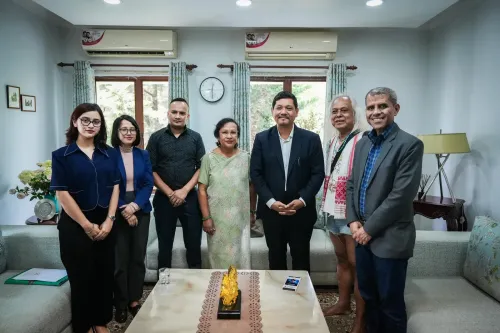
Doors open, voices heard. Meghalaya Chief Minister Conrad Sangma convened a Public Durbar on Tuesday, October 13, 2026, receiving a broad cross-section of civil society — from teachers' associations and student groups to sportspersons and religious organisations — in a direct citizen-engagement session that placed the CM's office squarely at the public's disposal.
Who walked through the door
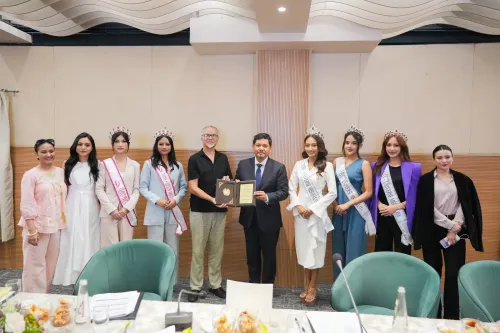
The durbar brought together multiple segments of Meghalaya's civic life under one roof. Teachers' associations, student groups, sportspersons, and religious organisations each had a seat — a deliberate breadth that signals the administration's intent to hear concerns cutting across education, youth, athletics, and faith communities in one sitting.
The durbar tradition in Indian state governance
Public durbars are a well-established mechanism in Indian state governance, offering citizens a structured, direct channel to their chief minister outside formal bureaucratic queues. For a state like Meghalaya — where community institutions, church bodies, and student unions carry significant social weight — the format carries particular resonance. It positions the CM as accessible and responsive, not insulated behind closed doors.
For Sangma, who also serves as national president of the National People's Party (NPP), such engagements double as ground-level political intelligence: a real-time read on what matters most to organised civil society ahead of any policy or electoral calculation.
What comes next from this engagement
The proof, as always, will be in follow-through. The diversity of groups present — from classroom concerns to competitive sport to religious affairs — means the durbar likely surfaced a wide range of demands and grievances. Whether specific commitments emerge from today's conversations will determine whether this was a genuine listening exercise or a well-photographed formality.
Point of View
And Conrad Sangma's use of it reflects a broader pattern among north-eastern chief ministers who must maintain close ties with community institutions — churches, student unions, tribal bodies — that often carry more day-to-day authority than formal government structures. For Sangma, who leads both a coalition state government and a national party with ambitions beyond Meghalaya, being seen as reachable is politically strategic as much as it is administratively sound. The breadth of groups present — spanning education, sport, and religion — suggests the durbar was designed to signal inclusivity rather than address a single pressing issue. The real governance test arrives when, or if, the issues raised translate into measurable state action.
NationPress
13 Oct 2026
Frequently Asked Questions
What is a Public Durbar held by a Chief Minister?
A Public Durbar is a structured open-door session where a Chief Minister directly meets citizens, community leaders, and civil society groups to hear grievances and requests — bypassing layers of bureaucracy for direct access.
Who did Conrad Sangma meet at the Public Durbar on October 13, 2026?
Meghalaya CM Conrad Sangma met teachers' associations, student groups, sportspersons, and religious organisations, among other individuals and groups.
Who is Conrad Sangma?
Conrad Sangma is the Chief Minister of Meghalaya and the national president of the National People's Party (NPP), a regional political party based in north-east India.
How often does the Meghalaya CM hold public durbars?
Chief ministers in Indian states, including Meghalaya, periodically hold public durbars as a routine governance practice, though no fixed frequency has been officially declared for Sangma's durbars.
What is the National People's Party (NPP)?
The National People's Party (NPP) is a regional political party operating primarily in north-east India, with Conrad Sangma serving as its national president and leading the party's government in Meghalaya.