Gadkari ditches convoy, rides bus on Sant Dnyaneshwar Palkhi Marg visit
Synopsis
Nitin Gadkari swapped his ministerial convoy for a public bus on 14 May — a pointed gesture that elevates PM Modi's fuel-conservation appeal from advisory to Cabinet-level action. With states trimming official convoys and even Modi and Amit Shah reportedly reducing their motorcades, India's fuel-saving push is moving from optics to policy behaviour.
Key Takeaways
Nitin Gadkari travelled by bus instead of his official convoy on 14 May during an inspection of the Sant Dnyaneshwar Maharaj Palkhi Marg .
The move was an explicit show of support for PM Modi 's appeal to conserve petrol and diesel amid global uncertainties.
Gadkari cited his work since 2004 on alternative fuels — ethanol, methanol, biodiesel, LNG, and green hydrogen — and projected a ₹2 lakh crore alternative-fuel economy.
States including Uttar Pradesh , Madhya Pradesh , and Rajasthan have reportedly reduced vehicles in official convoys following the PM's appeal.
PM Modi and Amit Shah have also reportedly trimmed their own convoy sizes, with a push to increase electric vehicle use in official movement.
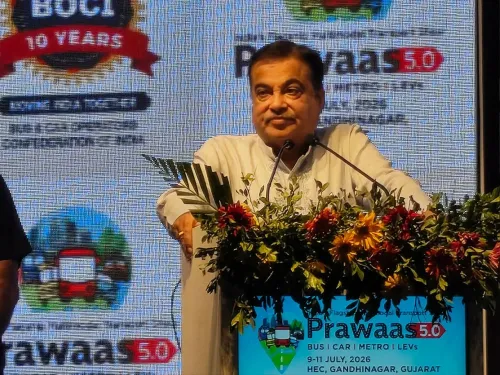
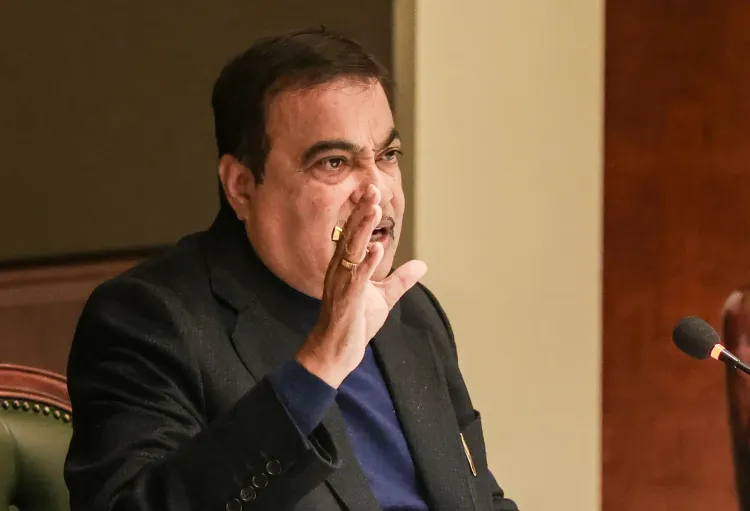
Union Minister for Road Transport and Highways Nitin Gadkari on Thursday, 14 May chose to travel by bus instead of his official convoy during an inspection of the Sant Dnyaneshwar Maharaj Palkhi Marg, visibly endorsing Prime Minister Narendra Modi's nationwide appeal for fuel conservation amid mounting global uncertainties. The gesture by one of the Cabinet's most senior ministers signals that the Centre's fuel-saving directive is being taken beyond rhetoric.
What Gadkari Said
Speaking during the inspection, Gadkari pointed to nearly two decades of personal commitment to cleaner energy. 'Since 2004, I have been working on alternative fuels such as ethanol, methanol, biodiesel, LNG and green hydrogen,' he said.
The minister added that he has spearheaded the launch of the country's first electric scooter, car, truck, and bus, and is now extending that push to machinery and tractors. He projected that a ₹2 lakh crore economy would emerge from this alternative-fuel ecosystem, describing it as a step toward a 'completely Atmanirbhar Bharat.' 'Pollution will be eliminated and this dream will be fulfilled,' he said, before pivoting to the immediate concern: 'Considering the current international crisis, we should save petrol and diesel, which is why PM Modi has made this appeal. I have also reduced my arrangements, so I am travelling by bus.'
The Context: Modi's Fuel Conservation Appeal
Prime Minister Modi had recently urged citizens to use petrol and diesel judiciously, citing tensions in West Asia and concerns over global fuel supply chains. The appeal was unusually wide in scope — it also advised the public to avoid unnecessary gold purchases for a year, cut edible oil consumption, and limit non-essential foreign travel. The breadth of the advisory reflects the Centre's assessment of a tightening global resource environment.
States and Senior Leaders Follow Suit
Several states — including Uttar Pradesh, Madhya Pradesh, and Rajasthan — have reportedly initiated fuel-saving measures by trimming the number of vehicles in official convoys. According to reports, Prime Minister Modi and Union Home Minister Amit Shah have also reduced their convoy sizes, while efforts are under way to expand the use of electric vehicles in official government movement.
Broader Significance
Gadkari's bus ride is more than a symbolic act. As the minister responsible for the country's highway network and transport policy, his public alignment with the fuel-conservation drive lends institutional weight to what could otherwise appear a routine advisory. This comes amid a period when India's import bill for crude oil remains sensitive to West Asian geopolitics. The minister's long-standing advocacy for alternative fuels — predating his current tenure — adds credibility to the message. Whether the convoy reductions and public gestures translate into measurable fuel savings at the national level remains to be seen, but the political signal is clear.
Point of View
Where ministerial motorcades are a visible marker of status, a Cabinet minister voluntarily boarding a bus carries disproportionate signal value. The harder question is whether this translates into structural change: convoy reductions are easy to announce and difficult to verify. Modi's broader advisory — covering fuel, gold, edible oil, and foreign travel — reads like a wartime economic posture, suggesting the Centre's assessment of global supply risk is more serious than official statements have let on. The gap between gesture and policy outcome will define whether this moment is remembered as leadership or theatre.
NationPress
28 Sept 2026
Frequently Asked Questions
Why did Nitin Gadkari travel by bus instead of his official convoy?
Gadkari chose to travel by bus during an inspection of the Sant Dnyaneshwar Maharaj Palkhi Marg on 14 May to visibly support PM Modi's appeal for fuel conservation amid global uncertainties. He stated that he had reduced his own arrangements as a direct response to the PM's directive.
What is PM Modi's fuel conservation appeal about?
PM Modi urged citizens to use petrol and diesel judiciously, citing tensions in West Asia and concerns over global fuel supply chains. The advisory also covered avoiding unnecessary gold purchases for a year, reducing edible oil consumption, and limiting non-essential foreign travel.
Which states have acted on the fuel-saving directive?
Uttar Pradesh, Madhya Pradesh, and Rajasthan have reportedly initiated fuel-saving measures by reducing the number of vehicles in official convoys. PM Modi and Home Minister Amit Shah have also reportedly trimmed their own motorcades.
What is Gadkari's track record on alternative fuels?
Gadkari stated he has been working on alternative fuels — including ethanol, methanol, biodiesel, LNG, and green hydrogen — since 2004. He has also overseen the launch of India's first electric scooter, car, truck, and bus, and is now extending the push to machinery and tractors.
What is the Sant Dnyaneshwar Maharaj Palkhi Marg that Gadkari inspected?
The Sant Dnyaneshwar Maharaj Palkhi Marg is a road project under the purview of the Ministry of Road Transport and Highways. Gadkari was conducting an official inspection of the route when he chose to travel by bus rather than in his ministerial convoy.