Tamil Nadu Governor cuts convoy from 10 to 4 vehicles after Modi's fuel conservation call
Synopsis
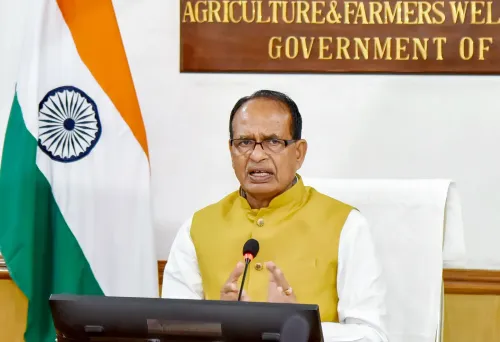
Tamil Nadu's Governor has halved his convoy to just four vehicles — a visible act of official austerity that signals how seriously the Centre's fuel conservation call is being taken. With Bihar, Maharashtra, and Delhi also falling in line, Modi's appeal is rapidly becoming a nationwide administrative directive, not just a symbolic nudge.
Key Takeaways
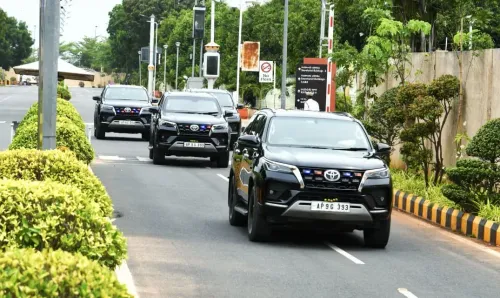
Tamil Nadu Governor Rajendra Vishwanath Arlekar reduced his security convoy from 10 vehicles to four following PM Modi's fuel conservation appeal.
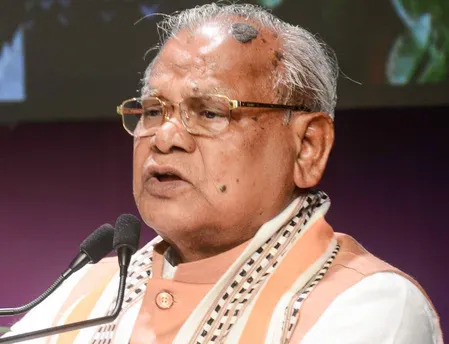
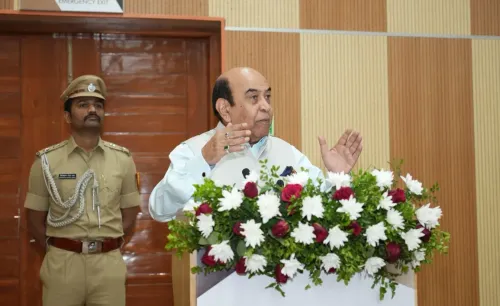
Bihar CM Samrat Choudhary and the Maharashtra Chief Minister have reportedly ordered similar convoy reductions.
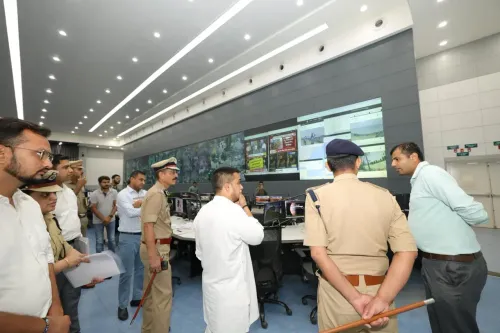
The Delhi government directed employees to work from home two days a week to cut commuting-related fuel use.
The measures are a response to uncertainty over global crude oil prices linked to ongoing tensions in West Asia .
Security arrangements are reported to remain unaffected by the convoy restructuring.
Tamil Nadu Governor Rajendra Vishwanath Arlekar has trimmed his official security convoy from 10 vehicles to four, acting on Prime Minister Narendra Modi's appeal for fuel conservation amid escalating geopolitical tensions in West Asia and their potential impact on global energy markets. The decision, announced on 16 May from Chennai, makes the Governor among the first constitutional authorities to publicly act on the Centre's conservation directive.
What Changed in the Convoy
According to reports, the Governor reviewed fuel-efficiency considerations before ordering the reduction. Officials indicated that the leaner four-vehicle formation will maintain all essential security protocols, with the restructuring focused purely on eliminating redundant support vehicles rather than compromising protection arrangements.
A Nationwide Response Takes Shape
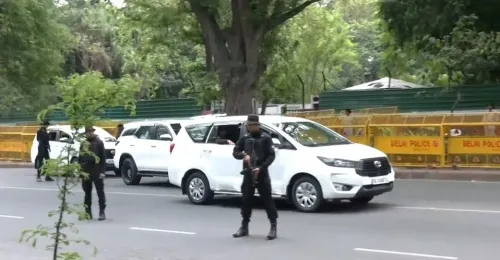
Bihar Chief Minister Samrat Choudhary and the Maharashtra Chief Minister have reportedly taken similar steps, ordering reductions in the number of security vehicles accompanying their official convoys. The Delhi government has gone further, directing government employees to work from home for two days a week to cut commuting-related fuel consumption and lower operational costs. Officials believe the measure could meaningfully reduce daily travel demand across the capital's administrative workforce.
Why Modi Issued the Appeal
The Prime Minister's conservation call comes amid sustained uncertainty over global crude oil prices, driven by ongoing tensions in West Asia. Any disruption to supply routes from the region risks pushing prices higher, with direct consequences for India's import bill and retail fuel costs. This is not the first time geopolitical stress in the Middle East has prompted New Delhi to nudge domestic consumption downward — similar advisories were issued during the 2022 energy crunch triggered by the Russia-Ukraine conflict.
Broader Significance
The convoy reductions and work-from-home directives are being read as a signal to the public and to state administrations that austerity on fuel use is a shared national priority. Notably, the visible nature of convoy cuts — a symbol of official privilege — carries political messaging beyond the actual fuel saved. Governments are increasingly aware that symbolic gestures can accelerate public compliance with conservation norms.
With crude markets remaining volatile, further directives from the Centre on energy efficiency across government operations are likely in the weeks ahead.
Point of View
And no convoy reduction touches those. If the appeal stays at the level of motorcades and work-from-home nudges without a supply-side hedge or strategic reserve update, it will look reactive rather than prepared.
NationPress
23 Oct 2026
Frequently Asked Questions
Why did the Tamil Nadu Governor reduce his security convoy?
Tamil Nadu Governor Rajendra Vishwanath Arlekar reduced his convoy from 10 vehicles to four in response to Prime Minister Narendra Modi's appeal for fuel conservation amid geopolitical tensions in West Asia that threaten global crude oil supplies and prices.
Which other governments have responded to PM Modi's fuel conservation appeal?
Bihar Chief Minister Samrat Choudhary and the Maharashtra Chief Minister have reportedly ordered reductions in their official security convoys. The Delhi government has separately directed employees to work from home two days a week to reduce commuting-related fuel consumption.
Will the convoy reduction affect the Governor's security?
Officials have stated that essential security arrangements will remain unaffected. The restructuring targets redundant support vehicles, not core protection details, keeping the four-vehicle formation fully functional for security purposes.
Why is India concerned about fuel consumption right now?
Ongoing tensions in West Asia have created uncertainty over global crude oil supplies and prices. Since India is a major crude importer, any supply disruption or sustained price rise directly affects the country's import bill and domestic fuel costs.
Is this the first time India has issued such conservation advisories?
No. Similar fuel conservation nudges were issued during the 2022 energy crunch that followed the Russia-Ukraine conflict. The current appeal follows a comparable pattern of the Centre signalling austerity during periods of global energy market stress.