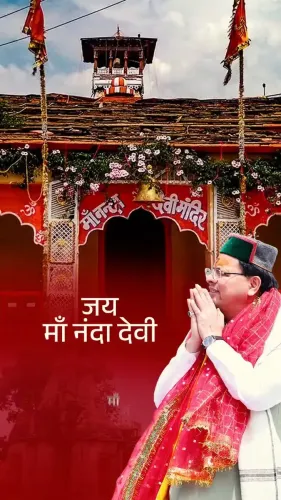
CM Dhami Highlights Agneri Mata Temple in Almora

Synopsis
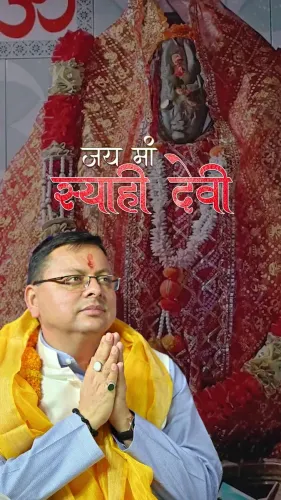
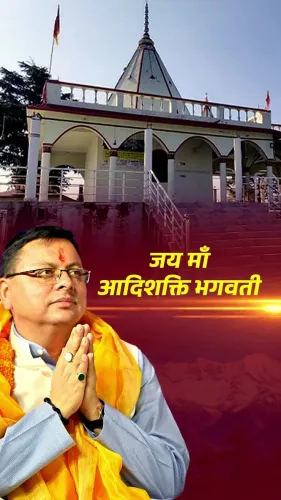
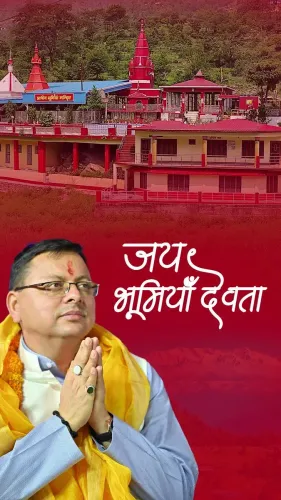
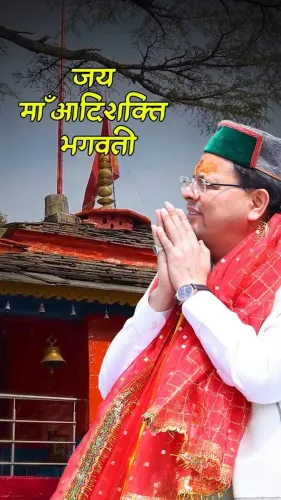
Uttarakhand Chief Minister Pushkar Singh Dhami on 10 July 2026 used social media to spotlight the ancient Agneri Mata Temple in Chaukhutiya, Almora — a Katyuri-era shrine on the Ramganga riverbank — inviting devotees and tourists to visit the site.
Key Takeaways
CM Pushkar Singh Dhami promoted the Agneri Mata Temple in Chaukhutiya, Almora via a post on 10 July 2026 .
The temple is dedicated to Maa Agneri and sits on the bank of the Ramganga river , a major Ganges tributary in Uttarakhand.
The shrine is associated with the Katyuri dynasty , which ruled the central Himalayas roughly between the 7th and 12th centuries .
The post is part of a broader state pattern of using social media to promote lesser-known Kumaon pilgrimage sites alongside the Char Dham circuit.
Local pilgrims, Almora -based tourism operators and the Chaukhutiya community economy stand to benefit from increased visibility.
Uttarakhand Chief Minister Pushkar Singh Dhami on Friday, 10 July 2026, spotlighted the Agneri Mata Temple in Chaukhutiya, Almora, describing it as an unparalleled centre of devotion and faith, and urging visitors to the district to make a stop at the ancient shrine.
Context
In his post, CM Dhami described the temple — situated on the sacred bank of the Ramganga river — as a site of unique spiritual and cultural significance. Translating his words: 'Chaukhutiya, Almora mein Ramganga nadi ke pavan tat par sthit Agneri Mata Mandir shraddha, aastha aur vishwas ka advitiya kendra hai' ('The Agneri Mata Temple, located on the holy bank of the Ramganga river in Chaukhutiya, Almora, is an unparalleled centre of reverence, faith and belief'). He further called it a place of 'divinity, spiritual atmosphere and cultural importance' and extended an open invitation: 'Do visit this sacred temple when you come to Almora.'
Policy Backdrop
The Agneri Mata Temple is linked to the Katyuri dynasty, the medieval ruling lineage that held sway across the central Himalayas roughly between the 7th and 12th centuries and is credited with constructing numerous temples across present-day Uttarakhand. The Ramganga, a major tributary of the Ganges originating in Uttarakhand, lends the site additional religious resonance for pilgrims from the Kumaon region and beyond.
Uttarakhand governments have, since the mid-2000s, periodically promoted lesser-known Kumaon temples alongside the more prominent Char Dham circuit, aiming to diversify pilgrimage tourism and distribute economic benefits more evenly across the state. Social-media amplification by senior leaders has become a consistent tool in this strategy.
Stakeholders and Impact
The post is likely to benefit Chaukhutiya's local economy, which depends significantly on pilgrimage footfall and Kumaon hill tourism. Religious pilgrims, Almora-based tourism operators, and community businesses around the temple stand to gain from heightened visibility. The Katyuri-era heritage angle also appeals to cultural-heritage travellers, a segment that Uttarakhand tourism authorities have been actively courting.
By drawing attention to a site in Almora — part of the Kumaon division — the Chief Minister signals an intent to balance the outsized attention that Garhwal pilgrimage routes traditionally receive, both in state budgets and in tourist itineraries.
What's Next
Observers will watch whether the state follows up with formal inclusion of the Agneri Mata Temple in official Uttarakhand tourism circuits or announces heritage-conservation measures in upcoming budget sessions. For now, the Chief Minister's post serves as a high-visibility nudge toward one of Kumaon's historically rich but relatively under-promoted pilgrimage destinations.
Point of View
The strategic subtext is significant — Kumaon's ancient Katyuri-era temples have long been overshadowed by Garhwal's Char Dham in both tourist footfall and state investment. By personally vouching for the Agneri Mata Temple, Dhami signals a political and economic interest in rebalancing that equation. Whether the endorsement translates into concrete budget allocations or circuit listings will be the real test of intent.
NationPress
8 Oct 2026
Frequently Asked Questions
Where is the Agneri Mata Temple located?
The Agneri Mata Temple is located in Chaukhutiya town in Almora district, Uttarakhand, on the bank of the Ramganga river.
What is the historical significance of the Agneri Mata Temple?
The temple is associated with the Katyuri dynasty, a medieval ruling lineage that built numerous temples across the central Himalayas between roughly the 7th and 12th centuries, making it a site of considerable historical and cultural heritage.
Why did CM Dhami post about the Agneri Mata Temple?
CM Pushkar Singh Dhami shared the post on 10 July 2026 to promote the temple as a pilgrimage and tourism destination, encouraging people visiting Almora to include the shrine in their itinerary.
Which river flows near the Agneri Mata Temple?
The Ramganga river, a major tributary of the Ganges that originates in Uttarakhand, flows past the Agneri Mata Temple site in Chaukhutiya, Almora.
How does the Agneri Mata Temple fit into Uttarakhand's tourism plans?
Uttarakhand has periodically promoted lesser-known Kumaon temples alongside the Char Dham circuit since the mid-2000s to diversify pilgrimage tourism; CM Dhami's social-media spotlight on the Agneri Mata Temple is consistent with this ongoing strategy.