Has Pakistan’s ‘thousand cuts’ strategy backfired as India stands resilient?

Synopsis
As Pakistan grapples with conflicts on multiple fronts, its long-held strategy to weaken India has backfired. The recent developments reveal Islamabad's vulnerabilities and highlight India's robust response. Discover how Pakistan's miscalculations have led to its current crisis.
Key Takeaways
Pakistan's proxy war strategy has backfired.
Operation Sindoor highlighted India's military strength.
Pakistan faces conflicts on multiple fronts.
Misreading geopolitical dynamics has led to vulnerabilities.
The Taliban's resurgence complicates Pakistan's security.
New Delhi, Oct 17 (NationPress) For many years, Pakistan's approach has aimed to weaken India through a strategy of inflicting wounds from multiple fronts. To realize this aim, Islamabad has engaged in a proxy warfare and has provided support, both financially and militarily, to terrorist organizations targeting India.
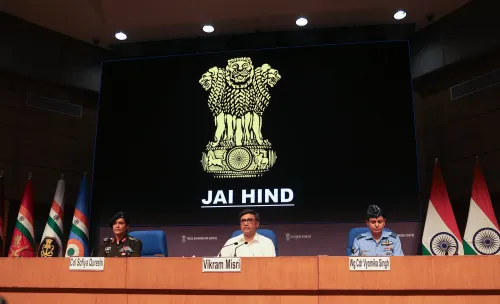
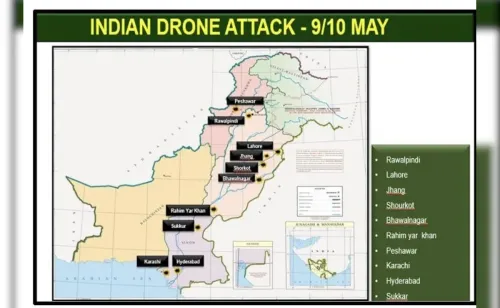
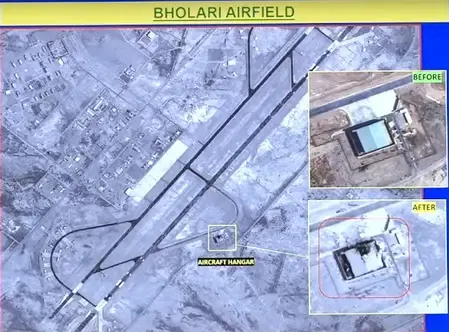
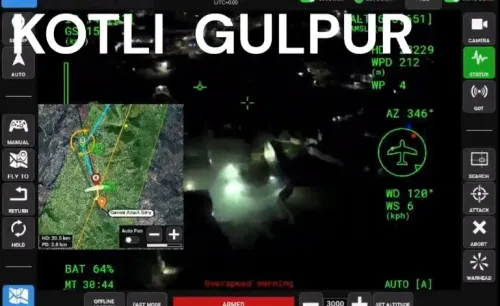
Operation Sindoor emerged as a pivotal moment for Pakistan. This operation not only laid bare Islamabad's weaknesses but also demonstrated the prowess of the Indian armed forces, which successfully targeted sites within Pakistan and Pakistan-occupied Kashmir (PoK). Presently, Pakistan finds itself at a critical juncture, grappling with conflicts on virtually all its borders.
It is evident that the strategy employed by the Pakistan Army and its commander, Field Marshal Asim Munir, is faltering. The military has suffered significant setbacks against the Taliban, Tehreek-e-Taliban Pakistan (TTP), and the Balochistan Nationalist Army (BLA). The most severe blow has come from the Taliban, a group that Pakistan had historically counted on for support in the event of military confrontation with India. Moreover, Pakistan's efforts to use Afghanistan as a base for launching terror attacks against India have backfired.
The conflict with the Taliban may not have been something Pakistan anticipated. The Taliban employs unconventional tactics that disregard traditional rules of engagement, leading to embarrassing defeats for the Pakistan Army.
Experts assert that Pakistan's downfall stems from an inflated sense of its own power. The nation believed it could maintain its relevance through a proxy war against India, operating without accountability—a strategy that had previously served it well. However, India's national security policies have evolved significantly.
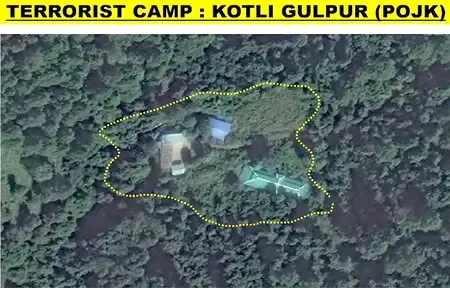
Operation Sindoor was a clear message that India would no longer tolerate terrorist attacks. This operation, launched in response to the Pahalgam attack, not only dismantled terror camps and training facilities but also undermined the morale of both the Pakistani army and terrorist factions.
Indian intelligence has consistently warned of a two-front conflict scenario, with threats emerging from both China in the north and Pakistan in the west. India has effectively addressed these challenges while ensuring that its security forces remain vigilant.
As the situation unfolds, it's apparent that Pakistan is embroiled in conflicts on several fronts. It shares international borders with India, Iran, and Afghanistan, and also borders China in Pakistan-occupied Kashmir (PoK). Each border presents unique challenges. The Taliban confronts Pakistan along the Afghanistan frontier, while the BLA poses serious threats along the Iranian border.
Pakistan's realization today is that it has miscalculated its strategic position. While its focus has been on securing the eastern front with India, it has consistently taken the western front with Afghanistan for granted. This misreading of the geopolitical landscape stems from a strategy rooted in the era of General Zia-ul-Haq, who viewed Afghanistan as a buffer against India.
Islamabad failed to recognize the shifts in Afghanistan's dynamics, particularly under the Taliban, and this oversight has led to its current predicament. The military strategy against the Taliban has faltered due to an excessive emphasis on its anti-India agenda.
The Taliban's loose structure complicates negotiations, making it challenging for Pakistan to find common ground. Consequently, Indian officials regard the 48-hour ceasefire between the Taliban and Pakistan as fragile, with the potential for collapse at any moment.
In summary, Pakistan's inability to adapt its policies has left it vulnerable. In its pursuit of inflicting a thousand cuts on India, it has neglected its other borders, resulting in ongoing battles with insurgents in Balochistan and persistent anti-government demonstrations in PoK.
Point of View
It is imperative to maintain an unbiased perspective. The unfolding situation in Pakistan is a reminder of the consequences of flawed strategic decisions. While India continues to fortify its defenses, it is essential to recognize the complexities of regional dynamics and remain committed to peace and stability.
NationPress
3 Oct 2026
Frequently Asked Questions
What is Pakistan's strategy against India?
Pakistan has historically employed a strategy of proxy warfare, aiming to weaken India through support for terrorist groups.
What is Operation Sindoor?
Operation Sindoor was a significant military operation by India targeting terrorist camps in Pakistan and Pakistan-occupied Kashmir.
How has the Taliban impacted Pakistan's security?
The Taliban's resurgence has posed significant challenges for Pakistan, leading to military setbacks and complicating its strategic landscape.
What are the borders Pakistan shares with other countries?
Pakistan shares borders with India, Iran, Afghanistan, and China in Pakistan-occupied Kashmir.
Why is Pakistan's strategy failing?
The failure stems from an overestimation of its military capabilities and a neglect of evolving geopolitical realities.