Chandrababu Naidu backs Modi's forex conservation push at CII Summit
Synopsis
At the CII Annual Business Summit in New Delhi, Andhra Pradesh Chief Minister Chandrababu Naidu threw his full weight behind PM Modi's call to conserve India's foreign exchange reserves — framing gold purchase delays, natural farming, and work-from-home not as lifestyle suggestions but as a coordinated national mission in response to global geopolitical pressures.
Key Takeaways
Andhra Pradesh CM N.
Chandrababu Naidu backed PM Modi's forex conservation appeal at the CII Annual Business Summit in New Delhi on Monday, 11 May 2025 .
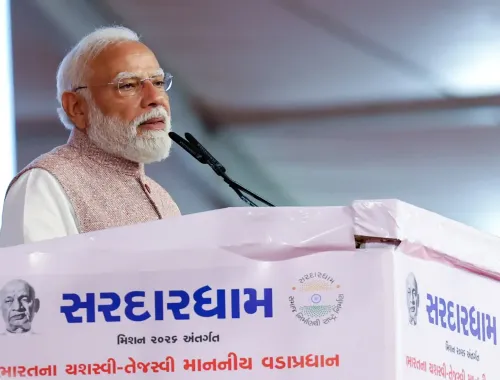
PM Modi had outlined the national mission in Hyderabad on Sunday , calling for postponing gold purchases, promoting energy conservation, public transport use, work-from-home, reduced fertiliser consumption, and natural farming.
Naidu urged industries to generate their own power within factory premises to reduce external energy dependence.
He advocated reducing fertiliser usage and scaling natural farming, calling it a dual benefit for forex reserves and public health.
Naidu recalled his 1998–1999 power sector reforms in Andhra Pradesh, noting they contributed to his electoral loss in 2004 — underscoring that genuine reform carries political risk.
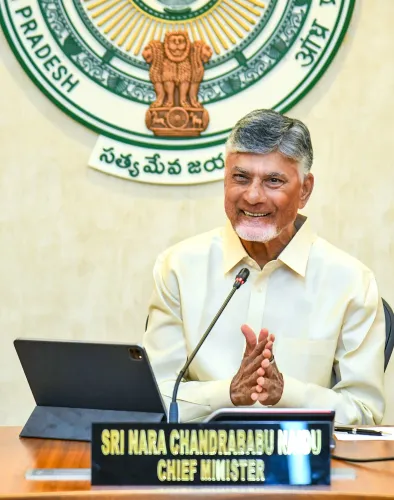
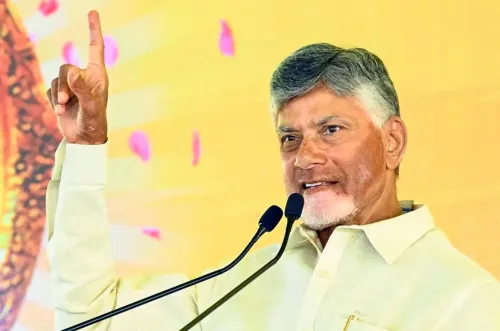
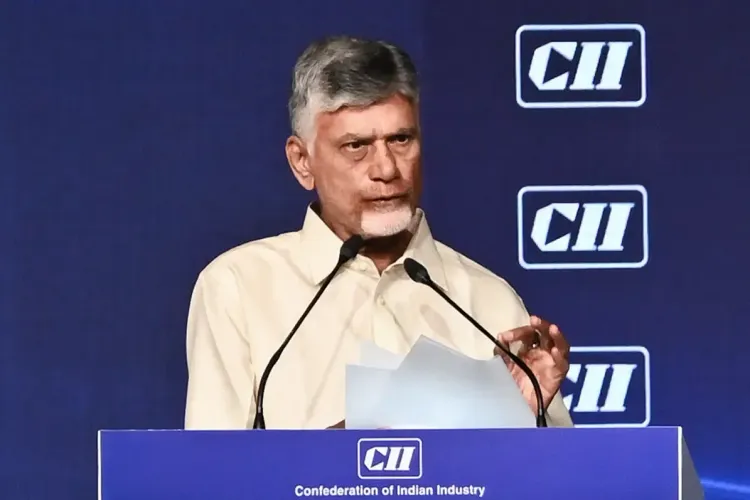
Andhra Pradesh Chief Minister N. Chandrababu Naidu on Monday strongly endorsed Prime Minister Narendra Modi's appeal to conserve India's foreign exchange reserves, urging industrialists and citizens alike to treat the initiative as a national mission. Speaking at the CII Annual Business Summit in New Delhi, Naidu said the current geopolitical climate makes self-reliance and resource conservation an urgent national priority.
What PM Modi Called For
Naidu reshared and elaborated on the national mission outlined by Prime Minister Modi a day earlier in Hyderabad on Sunday. According to a release from the Chief Minister's Office (CMO), Modi's appeal included postponing gold purchases, promoting energy conservation, encouraging the use of public transport, adopting a work-from-home culture, reducing fertiliser consumption, and transitioning towards natural farming.
Naidu said these steps are not symbolic gestures but essential responses to a global scenario marked by fuel and energy crises driven by international conflicts. He noted that countries not directly involved in wars are still bearing the economic consequences.
Work-From-Home and Energy Security
The Chief Minister highlighted work-from-home as a practical and immediate solution, arguing that technology now enables people to work efficiently from any location, reducing fuel consumption and easing pressure on energy grids. He urged industries to generate their own power within factory premises, adding that every household, agricultural pump set, factory, and commercial complex should contribute to decentralised power generation to reduce dependence on external energy sources.
Naidu also pointed to rising LPG, petrol, and diesel prices as tangible evidence that India cannot afford to remain reactive to global supply shocks.
Agriculture and Natural Farming
On the agricultural front, Naidu advocated reducing fertiliser usage and scaling up natural farming practices. He argued that such a shift would simultaneously strengthen India's foreign exchange position — by cutting import dependence on fertilisers — and deliver measurable public health benefits. He framed this as a dual-dividend reform that deserves industrial backing, not just government advocacy.
Naidu's Own Reform Record
Drawing from his own political experience, Naidu recalled introducing power sector reforms in Andhra Pradesh between 1998 and 1999, which he said yielded significant results in electricity generation and supply. He acknowledged, however, that those reforms were politically costly and contributed to his electoral defeat in 2004, as public acceptance of structural changes lagged behind their actual benefits. The reference appeared intended to underscore that genuine reform often carries short-term political risk.
A Call to Industry
Addressing the business leaders assembled at the summit, Naidu appealed directly to India's industrial community to take ownership of these conservation measures rather than viewing them as solely the Prime Minister's responsibility. He expressed confidence that every crisis creates new opportunities, and asserted that once India navigates the current global challenges, it would emerge stronger and become, in his words,
Point of View
With state governments expected to operationalise it. The invocation of his own 1998 power reforms, and the electoral price he paid, is a pointed message to industrialists: structural change is uncomfortable but necessary. What remains unclear is whether this appeal translates into measurable policy — import curbs on gold, fertiliser subsidy restructuring, or mandated rooftop solar — or stays at the level of exhortation. India's forex vulnerability is real, but voluntary conservation campaigns have historically struggled to move macroeconomic needles without accompanying fiscal or regulatory levers.
NationPress
12 May 2026
Frequently Asked Questions
What is PM Modi's appeal to save India's foreign exchange reserves?
PM Modi, speaking in Hyderabad on Sunday, called on Indians to postpone gold purchases, conserve energy, use public transport, adopt work-from-home practices, reduce fertiliser consumption, and shift towards natural farming. The appeal is aimed at reducing India's import burden and strengthening its foreign exchange reserves amid global geopolitical pressures.
Why did Chandrababu Naidu endorse PM Modi's forex conservation appeal?
Naidu endorsed the appeal at the CII Annual Business Summit in New Delhi, arguing that the current global scenario — marked by fuel and energy crises from international conflicts — makes self-reliance and resource conservation an urgent national priority. He urged industrialists to treat the measures as a national mission.
What role does work-from-home play in India's forex conservation strategy?
Work-from-home reduces fuel consumption by cutting daily commutes, easing pressure on petrol and diesel imports, which are a major component of India's import bill. Naidu highlighted it as a practical, technology-enabled solution that industries can adopt immediately.
How does natural farming help India's foreign exchange reserves?
Natural farming reduces dependence on chemical fertilisers, a significant portion of which India imports. By cutting fertiliser imports, India can reduce its foreign exchange outgo while also improving soil health and public health outcomes, according to Naidu.
What were Chandrababu Naidu's 1998–1999 power sector reforms?
During his first tenure as Andhra Pradesh Chief Minister, Naidu introduced power sector reforms between 1998 and 1999 that improved electricity generation and supply in the state. He acknowledged these reforms were politically costly and contributed to his electoral defeat in 2004, as public acceptance lagged behind the reforms' actual benefits.