PM Modi's gold purchase appeal: Experts back forex reserve savings push
Synopsis
India imports 800 metric tonnes of gold every year, consuming a massive share of its foreign exchange in dollars. PM Modi's appeal to cut non-essential gold purchases has drawn expert support — but the industry is clear: any forex-saving push must be paired with a revived Gold Monetisation Scheme, or millions of artisans could pay the price.
Key Takeaways
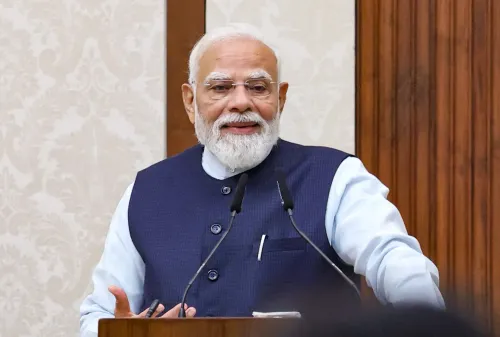
PM Narendra Modi has appealed to Indians to avoid non-essential gold purchases to conserve foreign exchange reserves .
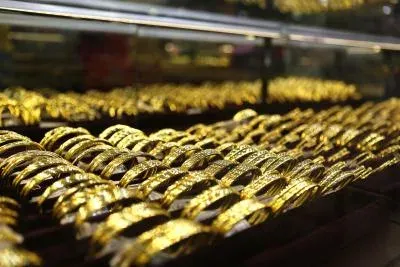
India imports around 800 metric tonnes of gold annually, accounting for nearly 25–26% of global gold demand.
IBJA Gujarat President Nainesh Pachchigar urged the government to revive the Gold Monetisation Scheme to recycle idle household gold.
Renu Arora of JCBL Group warned that heavy dependence on gold and crude oil imports weakens the rupee against the dollar.
Rising US-Iran geopolitical tensions have pushed global energy prices higher, compounding India's import burden.
The IBJA plans to submit a formal proposal to the government on saving forex without harming artisans and jewellery businesses.
Industry experts on Monday backed Prime Minister Narendra Modi's appeal to avoid non-essential gold purchases, saying the move could help conserve India's foreign exchange reserves amid rising import pressures. Speaking from Surat, experts stressed that gold must be viewed not merely as a consumption item, but as a key pillar of India's culture, savings tradition, financial security, and women's empowerment.
Why Modi's Appeal Matters for Forex
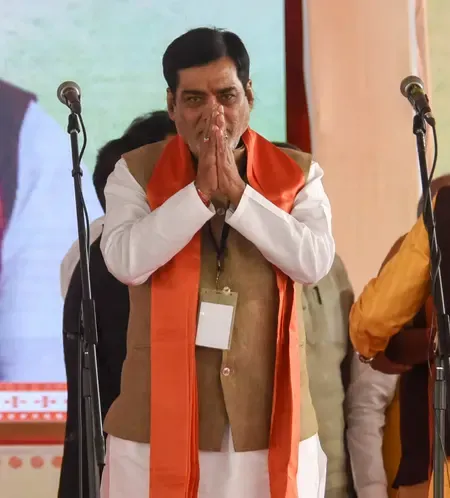
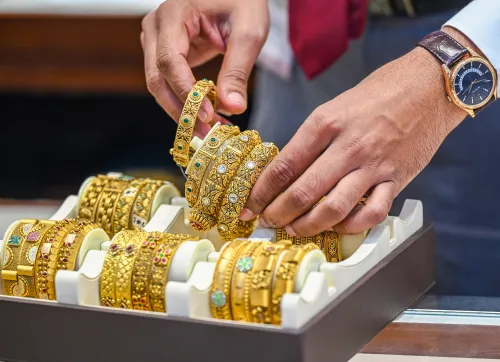
India Bullion and Jewellers Association (IBJA) Gujarat President Nainesh Pachchigar said the Prime Minister's call could help conserve valuable foreign exchange at a time when the country is facing rising import pressures due to global uncertainties. He noted that India imports around 800 metric tonnes of gold annually, requiring massive outflows in US dollars.
Manoj Kumar Jain, Director and Head of Commodity and Currency Research at Prithvi Finmart, pointed out that India accounts for nearly 25–26% of global gold demand. "All imports are paid for in foreign currency, mainly the US dollar, leading to significant pressure on India's foreign exchange reserves," he said.
The Case for Reviving the Gold Monetisation Scheme
While supporting the appeal, Pachchigar urged the government to revive the old Gold Monetisation Scheme to bring idle household gold back into the market and increase recycling of the precious metal. "Such a move would help maintain steady work for lakhs of small and medium artisans associated with the jewellery sector while supporting the government's broader goal of reducing foreign exchange outflow," he said.
He added that the IBJA would soon submit a proposal to the government suggesting measures through which foreign exchange can be saved without adversely affecting artisans and jewellery businesses. "The jewellery industry is deeply linked with the livelihoods of millions of craftsmen across the country and any effort to reduce gold imports should be balanced in a way that does not hurt the sector's economic ecosystem," Pachchigar added.
Rupee Vulnerability and Macroeconomic Risks
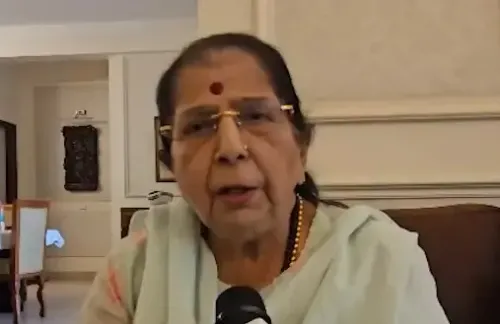
JCBL Group Director and Chartered Accountant Renu Arora said India remains heavily dependent on imports for both gold and crude oil, and large-scale imports put pressure on the rupee, weakening its value against the dollar. "The country's economy becomes vulnerable whenever international crude oil and gold prices rise sharply," she said, adding that reducing unnecessary consumption would help India better withstand global shocks and improve macroeconomic stability.
Jain further noted that rising geopolitical tensions, especially between the US and Iran, have pushed global energy prices higher, increasing India's import burden further. This comes amid a broader period of global economic uncertainty that has already strained emerging-market currencies.
Balancing Conservation with Industry Interests
Experts were unanimous that any policy push to curb gold imports must be carefully calibrated to protect the livelihoods of millions employed in the jewellery and artisan ecosystem. The sector supports lakhs of small and medium craftsmen, and a blunt reduction in gold consumption without compensatory measures — such as recycling incentives or monetisation schemes — could cause economic disruption at the grassroots level.
With the IBJA set to submit formal proposals to the government, the industry's response signals a willingness to collaborate on forex conservation — provided the approach safeguards the sector's long-term viability.
Point of View
And nudging consumption behaviour is a low-cost policy lever. But the absence of a functioning Gold Monetisation Scheme is the real missed opportunity: an estimated 25,000 tonnes of idle household gold sits outside the financial system, enough to dramatically reduce import dependence if mobilised. The industry's call to revive monetisation is not special pleading — it is the more durable solution. Cutting consumption without recycling infrastructure merely shifts the burden rather than resolving it.
NationPress
24 Sept 2026
Frequently Asked Questions
Why did PM Modi appeal to Indians to reduce gold purchases?
PM Modi urged Indians to avoid non-essential gold purchases to help conserve India's foreign exchange reserves, which come under pressure when the country spends heavily in US dollars to import around 800 metric tonnes of gold annually.
How much gold does India import each year?
India imports approximately 800 metric tonnes of gold every year, making it one of the world's largest gold consumers and accounting for nearly 25–26% of global gold demand. All these imports are paid for in foreign currency, primarily US dollars.
What is the Gold Monetisation Scheme and why are experts calling for its revival?
The Gold Monetisation Scheme allows households to deposit idle gold with banks and earn interest on it, bringing the metal back into the financial system and reducing the need for fresh imports. Experts argue its revival would help cut forex outflows while keeping the jewellery and artisan sector economically active.
How do gold imports affect the Indian rupee?
Large-scale gold imports require significant dollar outflows, increasing demand for foreign currency and putting downward pressure on the rupee. Combined with crude oil imports, this makes India's economy vulnerable to sharp swings in global commodity prices.
What is the jewellery industry's position on reducing gold imports?
Industry bodies like the IBJA support the goal of reducing forex outflows but stress that any reduction in gold consumption must be balanced with measures like the Gold Monetisation Scheme to protect the livelihoods of millions of craftsmen and small jewellery businesses across India.