CM Uttarakhand: Char Dham Yatra 2026 Progressing Successfully
Synopsis
The Chief Minister's Office of Uttarakhand declared the Char Dham Yatra 2026 is advancing successfully, spotlighting the Uttarkashi district shrines of Yamunotri and Gangotri. The update comes amid ongoing infrastructure work under the Rs 12,000 crore Char Dham all-weather road project that underpins the annual pilgrimage circuit.
Key Takeaways
The Chief Minister's Office of Uttarakhand confirmed on 26 May 2026 that the Char Dham Yatra is progressing successfully.
The update specifically highlights the Uttarkashi district shrines of Yamunotri and Gangotri .
The Char Dham All-Weather Road Project , approved in 2016 , carries an outlay of approximately Rs 12,000 crore covering 889 km of roads.
Both Yamunotri and Gangotri are located in Uttarkashi district and are accessible only during the summer pilgrimage window.
The yatra supports the livelihoods of hill district residents and is a key driver of Uttarakhand's seasonal tourism economy.
Environmental litigation over slope stability and forest cover remains an ongoing policy tension for the road project.
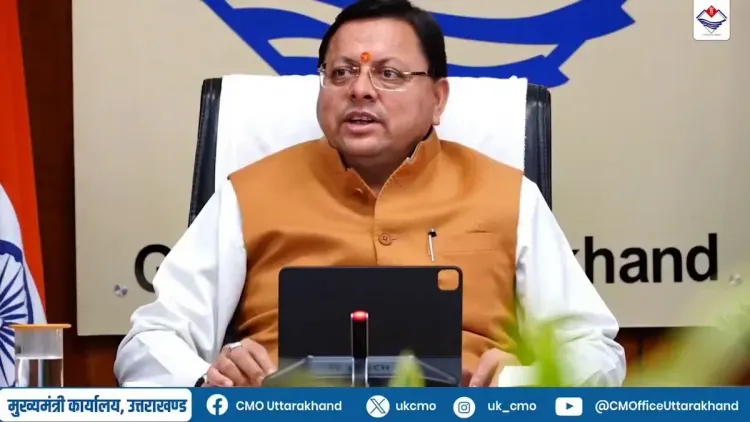
The Chief Minister's Office of Uttarakhand on Tuesday, 26 May 2026 confirmed that the Char Dham Yatra 2026 is progressing successfully, with a special focus on the Uttarkashi district shrines of Yamunotri and Gangotri.
Context
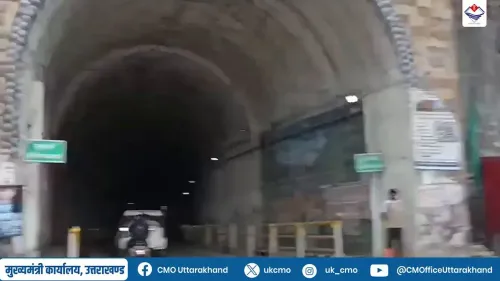
The official post, shared in Hindi, stated: 'Uttarakhand mein Char Dham Yatra safaltapurvak badh rahi hai aage' ('The Char Dham Yatra in Uttarakhand is moving forward successfully'). The update, accompanied by a video, signals that pilgrimage operations at the four sacred sites are on track during the peak summer season. The hashtags #Yamunotri and #Gangotri indicate particular attention to the Uttarkashi corridor this season.
Policy Backdrop
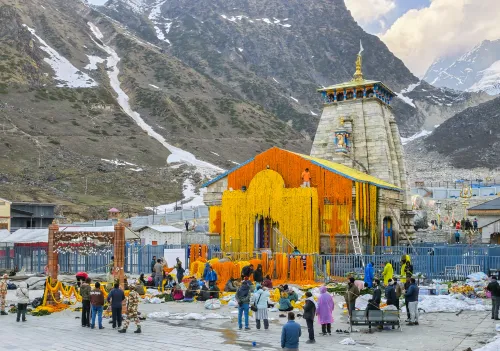
The Char Dham Yatra is an annual Hindu pilgrimage circuit encompassing four Himalayan shrines — Yamunotri, Gangotri, Kedarnath, and Badrinath — that collectively draw millions of devotees each summer. To support this religious tourism, the Union Cabinet approved the Char Dham All-Weather Road Project in 2016 with an initial outlay of approximately Rs 12,000 crore, covering 889 km of roads under the Ministry of Road Transport and Highways. The project aims to ensure year-round motorable access to all four shrines, reducing weather-related disruptions that have historically cut off pilgrims.
Yamunotri, the westernmost shrine in Uttarkashi district, is dedicated to Goddess Yamuna and marks the river's source. Gangotri, also in Uttarkashi, is revered as the origin of the River Ganga near the Gaumukh glacier. Both sites sit at high altitude and are accessible only during the summer pilgrimage window, making timely infrastructure readiness critical each year.
Stakeholders and Impact
The smooth progress of the yatra carries direct economic significance for Uttarakhand's tourism sector and the livelihoods of hill district residents who depend on seasonal pilgrim footfall for income. Hoteliers, transport operators, porters, and local vendors in Uttarkashi and adjoining districts benefit substantially from uninterrupted pilgrim movement. Successive state and central governments have framed connectivity investments around this economic rationale alongside the religious access argument.
Environmental considerations have also shaped the policy landscape, with the Char Dham road project facing sustained litigation over slope stability and forest cover in the ecologically sensitive Himalayan terrain. The balance between pilgrim access and ecological protection remains a live policy tension as infrastructure work continues on pending stretches.
What's Next
Attention will now turn to status updates on road stretches still under construction along the Char Dham corridor and any fresh environmental clearances or court orders that could affect the remainder of the 2026 season. Coordination between the Uttarakhand government and the Ministry of Road Transport and Highways on final connectivity milestones is expected to remain a key operational focus. As pilgrim numbers build through the peak weeks, the state administration's capacity management and emergency response preparedness will be closely watched.
Frequently Asked Questions
Is Char Dham Yatra 2026 open and running smoothly?
According to the Chief Minister's Office of Uttarakhand, the Char Dham Yatra 2026 is progressing successfully as of 26 May 2026, with specific mention of the Yamunotri and Gangotri shrines in Uttarkashi district.
Which shrines are part of the Char Dham Yatra in Uttarakhand?
The Char Dham Yatra covers four shrines: Yamunotri, Gangotri, Kedarnath, and Badrinath. Yamunotri and Gangotri are both located in Uttarkashi district.
What is the Char Dham All-Weather Road Project?
It is a central government scheme approved in 2016 to construct 889 km of all-weather roads connecting the four Char Dham pilgrimage sites, with an initial outlay of approximately Rs 12,000 crore under the Ministry of Road Transport and Highways.
When does the Char Dham Yatra season take place?
The Char Dham Yatra typically runs during the summer months, as the high-altitude shrines are inaccessible in winter due to heavy snowfall. The season generally opens in April or May and closes around October or November.
Why is Uttarkashi important for the Char Dham Yatra?
Uttarkashi district contains two of the four Char Dham shrines — Yamunotri and Gangotri — and serves as a key transit and administrative hub for pilgrims travelling the western leg of the circuit.