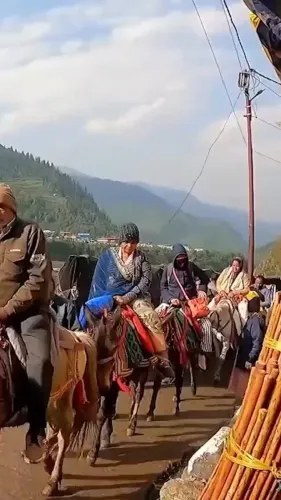
CM Uttarakhand: All Weather Road boosts Gangotri-Yamunotri link
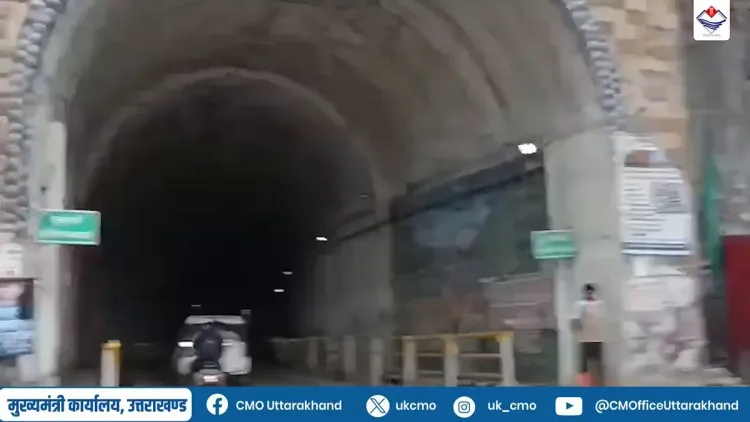
Synopsis
The Uttarakhand Chief Minister's Office on 6 July 2026 highlighted improved road access to Gangotri and Yamunotri Dham, attributing safer and more convenient pilgrim travel to the All Weather Road Project under the Char Dham Mahamarg Vikas Pariyojana.
Key Takeaways
The Uttarakhand CMO on 6 July 2026 credited the All Weather Road Project with improving connectivity to Gangotri and Yamunotri Dham .
Both shrines are located in Uttarkashi district and are part of the four Char Dham pilgrimage sites.
The project falls under the Char Dham Mahamarg Vikas Pariyojana , approved by the Union Cabinet in 2016 , covering 889 km of roads.
The scheme aims to provide year-round, all-weather motorable access to all four Char Dham sites — Gangotri, Yamunotri, Kedarnath , and Badrinath .
Beneficiaries include lakhs of pilgrims annually as well as local residents of Uttarkashi district.
Completion of remaining high-altitude stretches and environmental clearances remain key milestones to watch.
The Chief Minister's Office of Uttarakhand on Monday, 6 July 2026, highlighted improved road connectivity to Shri Gangotri and Shri Yamunotri Dham, crediting the All Weather Road Project with making the journey to the two Himalayan shrines safer and more convenient for pilgrims.
The post, shared in Hindi, states: 'Shri Gangotri aur Shri Yamunotri Dham tak behtar sadak sampark, All Weather Road Pariyojana se yatra hui surakshit aur suvidhajanank' — ('Better road connectivity to Shri Gangotri and Shri Yamunotri Dham; the All Weather Road Project has made travel safe and convenient.')
Context
Gangotri and Yamunotri are two of the four Char Dham pilgrimage sites located in Uttarkashi district, northern Uttarakhand. Gangotri marks the origin of the Ganga river, while Yamunotri is the source of the Yamuna. Both shrines draw hundreds of thousands of pilgrims annually, and the approach roads through high-altitude Himalayan terrain have historically been vulnerable to landslides, snowfall, and seasonal closures.Policy Backdrop
The All Weather Road Project is a component of the Char Dham Mahamarg Vikas Pariyojana, a national highway development programme approved by the Union Cabinet in 2016. The scheme covers the upgrade of 889 km of roads leading to all four Char Dham sites — Gangotri, Yamunotri, Kedarnath, and Badrinath. The objective is to ensure year-round, all-weather motorable access to the shrines, replacing narrow, single-lane stretches with wider, reinforced carriageways. The project is part of a broader national effort since 2014 to expand all-weather connectivity in Himalayan states, with comparable works undertaken in Himachal Pradesh and Jammu and Kashmir under the same policy framework.Stakeholders and Impact
The primary beneficiaries of improved connectivity are the lakhs of pilgrims who undertake the Char Dham Yatra each season, for whom road conditions directly affect safety and travel time. Local residents of Uttarkashi and surrounding villages also benefit from more reliable access to markets, healthcare, and emergency services. Enhanced road infrastructure has a secondary effect on the regional economy, supporting tourism, trade, and logistics in one of Uttarakhand's most mountainous districts. The strategic dimension of all-weather roads in border-adjacent terrain is also a recognised consideration in the broader national planning context.What's Next
Attention will now turn to the completion status of remaining project stretches along the Char Dham corridor, particularly high-altitude segments that have required revised environmental clearances. As the 2026 Char Dham Yatra season progresses, the government's ability to maintain and operationalise the newly upgraded stretches will be a key measure of the project's on-ground impact. Sustained upkeep of these roads through the monsoon and winter months will determine whether the all-weather promise translates into year-round reliability for pilgrims and residents alike.Point of View
The CMO is reinforcing a narrative that infrastructure investment directly translates into improved pilgrim experience — a politically resonant message in a state where Char Dham tourism is both an economic and cultural cornerstone. The update also reflects a broader national pattern of using all-weather road projects in border-adjacent Himalayan terrain to serve both civilian and strategic purposes simultaneously. The real test, however, will be the monsoon-season performance of the upgraded stretches, which has historically been the most challenging period for road maintenance in Uttarkashi.
NationPress
5 Oct 2026
Frequently Asked Questions
What is the All Weather Road Project in Uttarakhand?
The All Weather Road Project is part of the Char Dham Mahamarg Vikas Pariyojana, a Union Cabinet-approved scheme from 2016 to upgrade 889 km of national highways leading to the four Char Dham pilgrimage sites — Gangotri, Yamunotri, Kedarnath, and Badrinath — for year-round motorable access.
How does the All Weather Road Project help Gangotri and Yamunotri pilgrims?
The project replaces narrow, landslide-prone stretches with wider, reinforced roads, reducing travel risk and improving journey time for the lakhs of pilgrims who visit Gangotri and Yamunotri in Uttarkashi district each year.
What is the Char Dham Mahamarg Vikas Pariyojana?
It is a national highway development programme approved by the Union Cabinet in 2016, covering 889 km of roads to all four Char Dham sites in Uttarakhand, aimed at providing safe, all-weather connectivity to these Himalayan pilgrimage destinations.
Where are Gangotri and Yamunotri located?
Both Gangotri and Yamunotri are situated in Uttarkashi district in northern Uttarakhand. Gangotri marks the origin of the Ganga river and Yamunotri marks the origin of the Yamuna river; both are among the four sacred Char Dham sites.
What remains to be completed in the All Weather Road Project for Char Dham?
Key outstanding items include completion of remaining high-altitude road stretches and any revised environmental clearances required for segments in ecologically sensitive Himalayan zones along the Char Dham corridor.