CM Dhami, PM Modi push Char Dham All-Weather Road progress
Synopsis
The Uttarakhand Chief Minister's Office credited PM Modi and CM Dhami on 10 June 2026 for improving road access to Gangotri and Yamunotri shrines through the Char Dham All Weather Road Project, citing modern construction, bridges, and safety works under the Bharatmala framework.
Key Takeaways
The Uttarakhand CMO highlighted progress on the Char Dham All Weather Road Project on 10 June 2026 .
The project aims to provide year-round road access to all four Char Dham shrines: Badrinath, Kedarnath, Gangotri , and Yamunotri .
The Union Cabinet approved the project in 2016 under the Bharatmala Pariyojana framework.
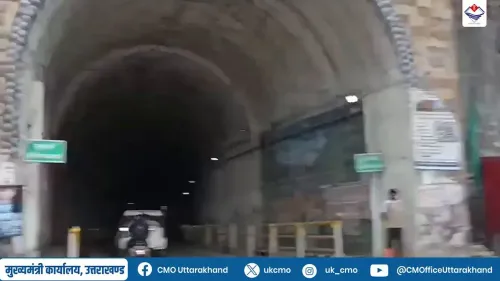
Modern road construction, bridges, and safety works are cited as key improvements for Gangotri and Yamunotri routes.
Pilgrims, local tourism operators, and hill communities are the primary beneficiaries of improved connectivity.
The project also carries strategic significance by improving access to terrain near India's international borders .
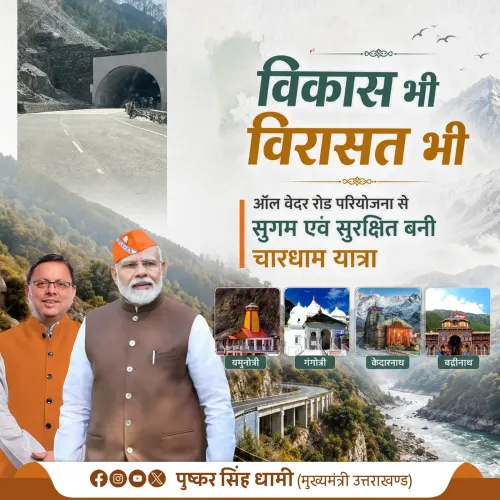
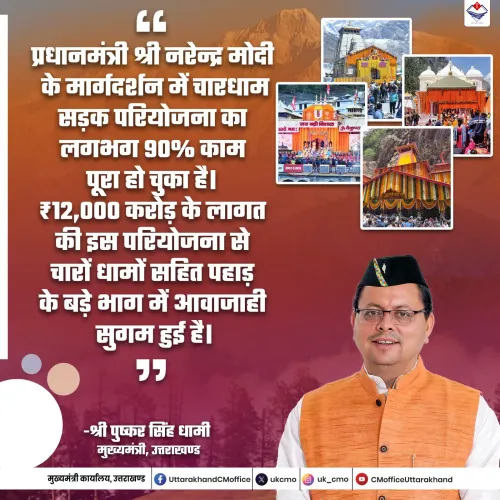
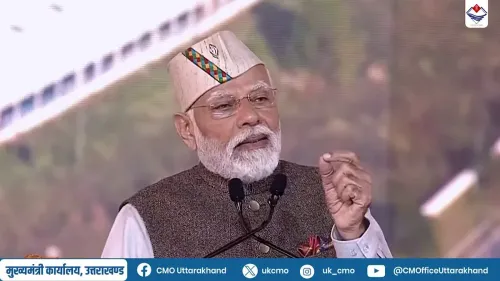
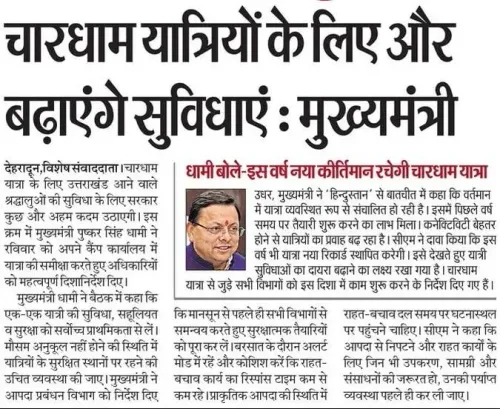
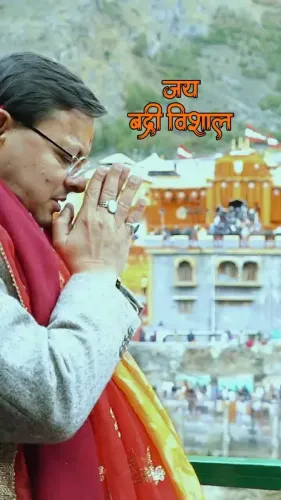
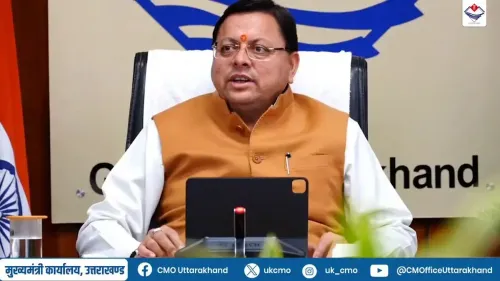
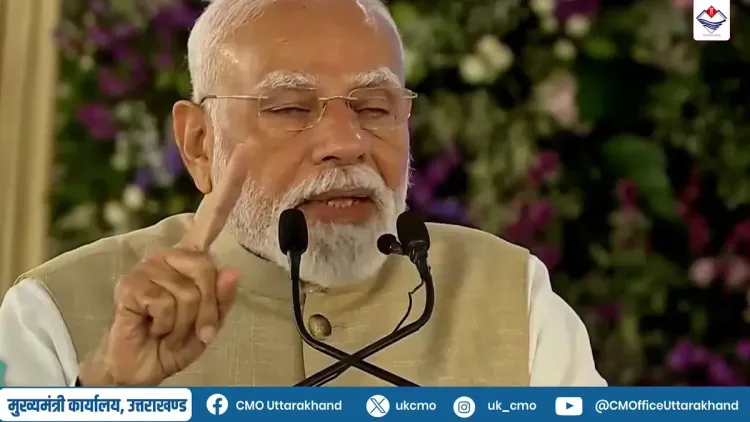
The Chief Minister's Office of Uttarakhand on Wednesday, 10 June 2026 highlighted the strides made under the Char Dham All Weather Road Project, crediting the leadership of Prime Minister Narendra Modi and the efforts of Chief Minister Pushkar Singh Dhami for improving access to the Gangotri and Yamunotri shrines.
Context
The official post states that the project has given 'a new direction' (nayi disha) to pilgrimages at Shri Gangotri and Shri Yamunotri Dham. It attributes the improvement to modern road construction, bridges, and safety works, describing access to both shrines as now 'safer, smoother and more convenient than before.' The post was tagged under #12YearsofGaribKalyan, situating the infrastructure milestone within the ruling party's broader governance narrative.Policy Backdrop
The Char Dham All Weather Road Project was approved by the Union Cabinet in 2016 as part of the Bharatmala Pariyojana, a national highway expansion programme launched in 2015 to improve connectivity in remote and border regions. The project covers four pilgrimage towns — Badrinath, Kedarnath, Gangotri, and Yamunotri — linked by an approximately 900-kilometre highway network in the Uttarakhand Himalayas. The objective is to ensure year-round road access to shrines that were historically cut off during winter months due to snowfall and landslides.Stakeholders and Impact
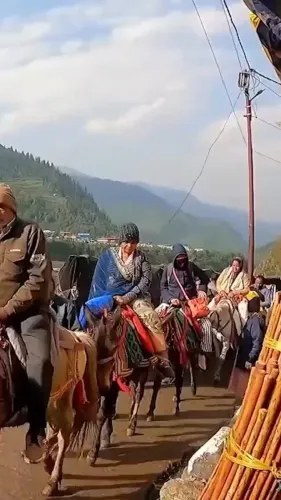
The direct beneficiaries of improved connectivity include millions of pilgrims who undertake the Char Dham Yatra each year, as well as local tourism operators and hill communities whose livelihoods depend on seasonal footfall. Gangotri, the traditional source of the River Ganga, and Yamunotri, the traditional source of the River Yamuna, draw large numbers of devotees annually. Better all-weather access is expected to extend the effective pilgrimage season and reduce the risk of accidents on mountain roads. Beyond religious tourism, the upgraded corridors also serve a strategic function by improving movement in terrain close to international borders — a consideration embedded in the Bharatmala framework from its inception.What's Next
Attention will now turn to the remaining stretches of the project covering Kedarnath and Badrinath, where work has faced environmental and engineering challenges in the past. The Ministry of Road Transport and Highways is expected to release updated completion timelines and safety audit reports as construction progresses. Similar all-weather connectivity drives are under way in Himachal Pradesh and northeastern states under the same Bharatmala umbrella, suggesting a continued federal push to integrate Himalayan terrain into the national road grid.Point of View
Tagged under #12YearsofGaribKalyan, frames a central infrastructure scheme as a state-level political achievement — a pattern common ahead of election cycles in hill states. The Char Dham project has long straddled the line between religious-cultural outreach and hard infrastructure delivery, giving it unusual cross-demographic appeal. Crediting both the Prime Minister and the Chief Minister simultaneously reflects a coordinated messaging strategy that reinforces the BJP's dual-government narrative in Uttarakhand. The continued emphasis on Gangotri and Yamunotri, rather than the more high-profile Kedarnath corridor, may signal that work on those two stretches is at a stage the government is confident enough to showcase publicly.
NationPress
26 Oct 2026
Frequently Asked Questions
What is the Char Dham All Weather Road Project?
The Char Dham All Weather Road Project is a flagship central government scheme approved in 2016 to build all-weather roads connecting the four Himalayan pilgrimage sites — Badrinath, Kedarnath, Gangotri, and Yamunotri — in Uttarakhand, under the broader Bharatmala Pariyojana highway programme.
How does the Char Dham road project benefit pilgrims?
The project replaces narrow, seasonally blocked mountain roads with wider, safer all-weather highways and bridges, allowing pilgrims to travel to the shrines more reliably throughout the year and reducing the risk of road accidents in difficult Himalayan terrain.
What is Bharatmala Pariyojana?
Bharatmala Pariyojana is a national highway development programme launched in 2015 by the central government to expand road connectivity in remote, border, and economically underserved regions across India, under which the Char Dham project is funded.
Who is overseeing the Char Dham road project in Uttarakhand?
The project is a centrally sponsored initiative under the Ministry of Road Transport and Highways, with state-level implementation overseen by the Uttarakhand government under Chief Minister Pushkar Singh Dhami.
Which Char Dham routes have seen road improvements recently?
The Uttarakhand CMO's 10 June 2026 post specifically highlighted improved connectivity to Gangotri and Yamunotri, citing modern road construction, bridges, and safety works on those two routes.